Tonkinese
东奇尼猫 · Shorthair (Siamese-Burmese family) · Canada and the United States, from Siamese x Burmese crosses
The Tonkinese is a deliberate cross between the Siamese and the Burmese, built to sit in the middle of both: a cat with the Siamese pattern softened into a mink coat and the Burmese solidity without the extreme roundness.
Quick facts
- Weight
- 2.7-5.5 kg (6-12 lb); males larger
- Length
- Body 38-44 cm nose to tail base; tail 25-30 cm
- Lifespan
- 12-16 years
- Typical price
- CNY 5,000-15,000 in China; few breeders, so most kittens are ordered in advance
Temperament & lifestyle
About the breed
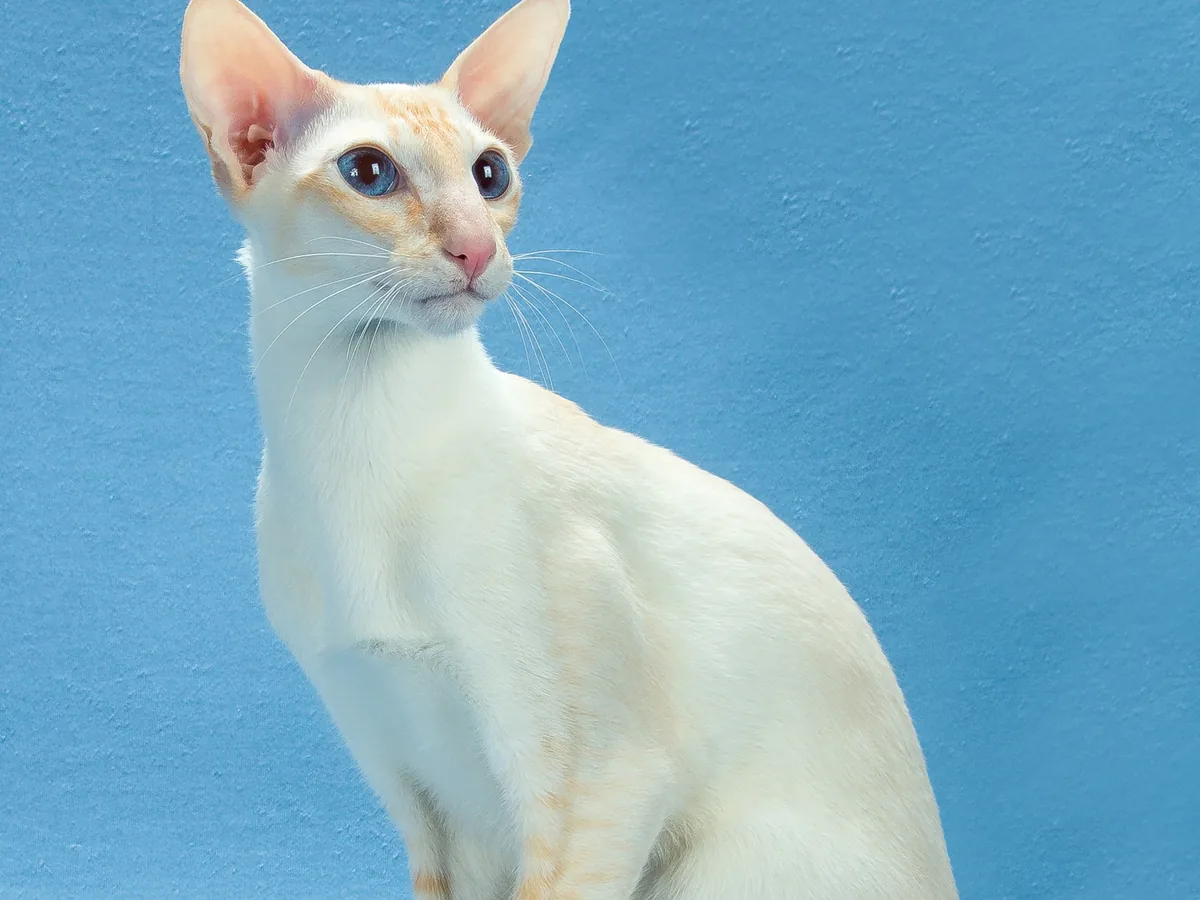
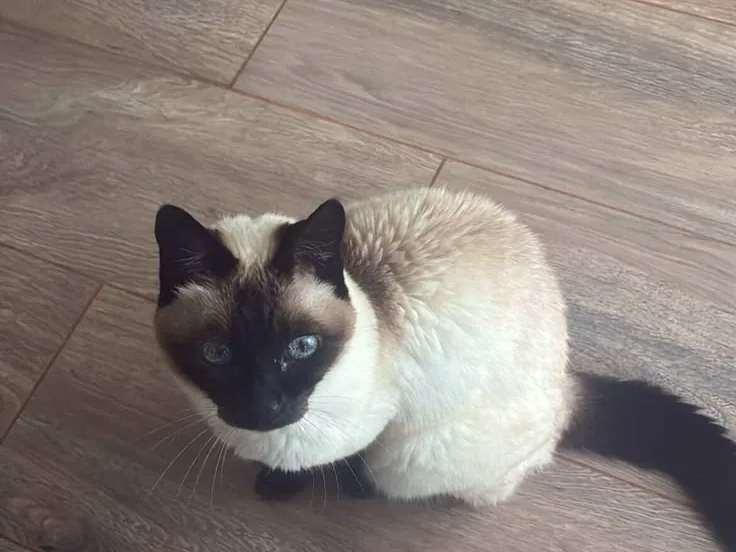
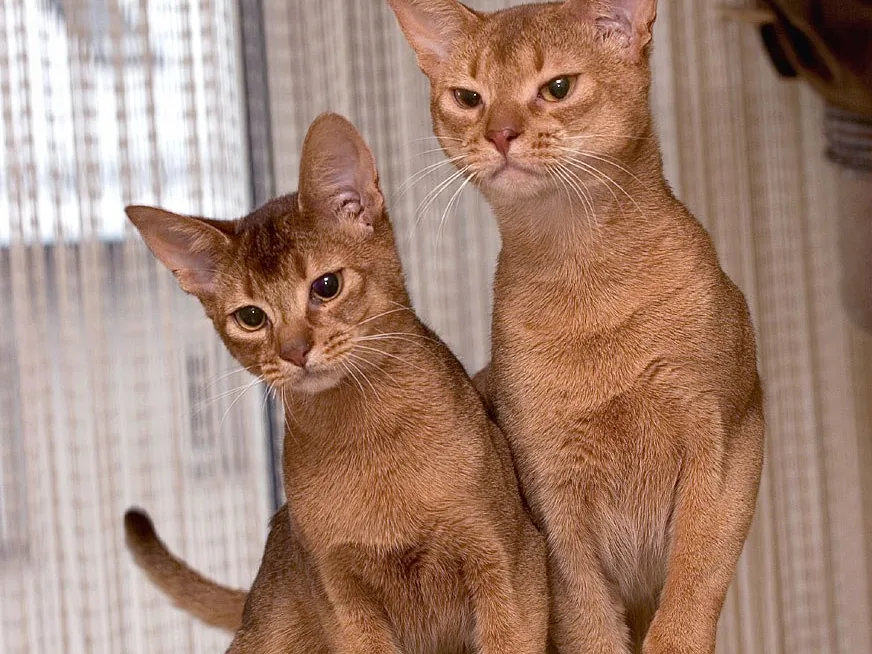
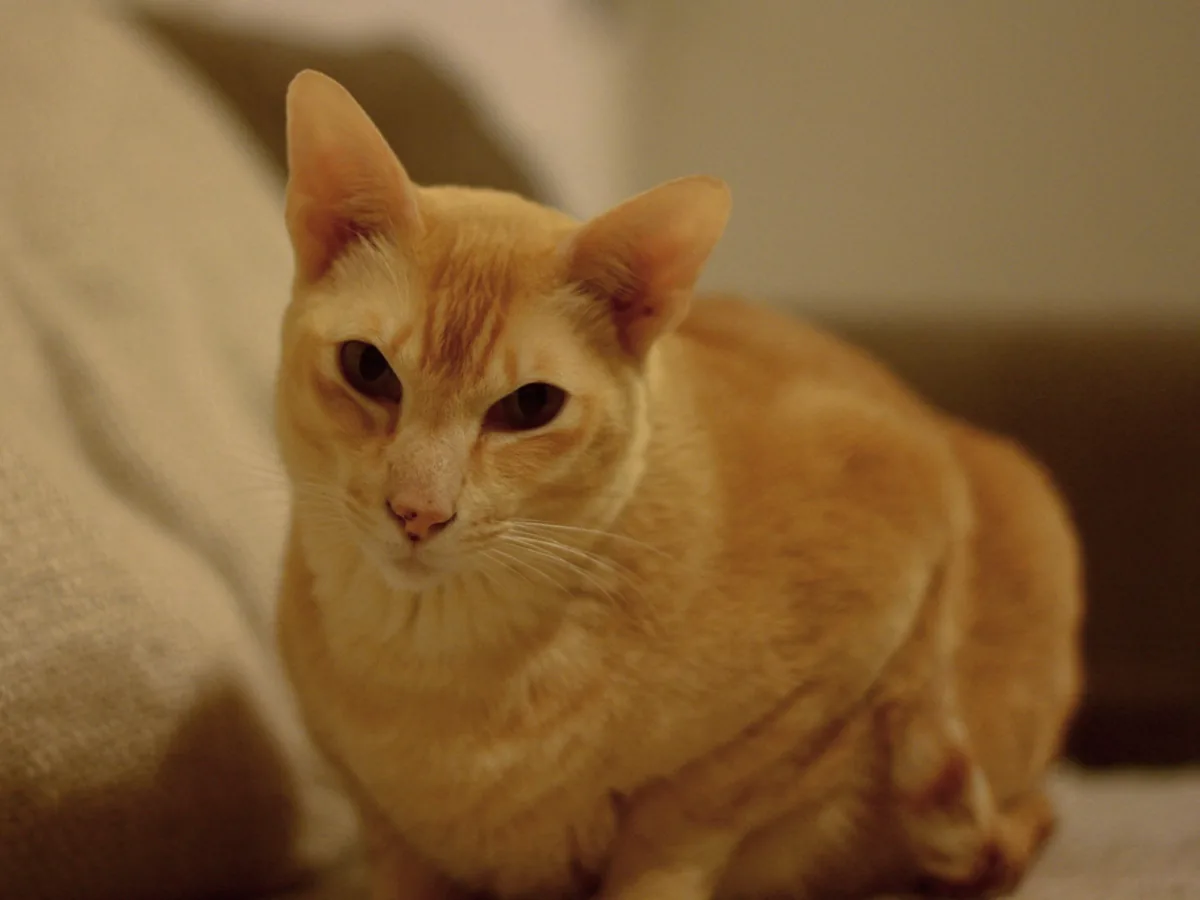
The Tonkinese is a deliberate cross between the Siamese and the Burmese, built to sit in the middle of both: a cat with the Siamese pattern softened into a mink coat and the Burmese solidity without the extreme roundness. It is also a reconstruction. Cats with darker bodies and aquamarine eyes rather than the Siamese blue were shipped to the West in the 19th century and shown as chocolate Siamese; the Siamese Cat Club recognised them as a colour variety in 1901. Wong Mau, the foundation Burmese, is among the cats now believed to have been Tonkinese type. For decades they were simply registered as Siamese or Burmese until breeders in the 1950s and 1960s took an interest. Canada recognised the Tonkinese as a distinct breed in 1965, and the name comes from Tonkin in Indochina, chosen for atmosphere rather than ancestry. The CFA granted championship status in 1984 and the GCCF followed in 1991.
The mink pattern is the signature: one Siamese gene plus one Burmese gene produces a body colour darker than the Burmese but lighter than the points, with aquamarine eyes. Breed two minks and you get roughly half mink, a quarter pointed and a quarter sepia, which is why litters look mixed. Pointed kittens have blue eyes, sepia kittens gold-green.
Temperament is where the breed earns its keep. A Tonkinese wants to be with you, on you, or at least watching you, and it talks about it. It learns fetch and simple routines quickly and gets genuinely unhappy when left alone all day.
Care essentials
- Grooming
- Essentially maintenance-free: a rubber glove or short-bristle brush once a week removes loose hair, and the short coat does not mat. Check ears weekly and clip claws every two to three weeks. Bathing is only needed if the cat gets into something oily.
- Exercise & play
- Needs both physical and mental work. Two fifteen-minute play sessions plus a puzzle feeder or a couple of treat-hiding games a day. This breed will happily walk on a harness if introduced young, which solves the energy problem better than any toy.
- Feeding
- Prone to becoming overweight because it begs convincingly. Measure portions: a 4 kg adult needs about 200 kcal a day, split into two or three meals. Wet food helps with water intake, and the breed's Siamese-side tendency to dental tartar makes crunchy texture and brushing worth the effort.
- Home setup
- Apartment-friendly as long as it is not left alone for ten hours. Provide a tall cat tree by a window, a warm sleeping spot near where people sit, and ideally a second cat or a daily visit from someone. Keep doors to balconies screened.
Health
- Hypertrophic cardiomyopathy (HCM), the most common heart disease in the breed; screening by echocardiogram is the only way to catch it early.
- Progressive retinal atrophy (rdAc), inherited from the Siamese line; ask about eye exams and any blindness in the parents' lines.
- Amyloidosis, a protein deposition disease seen in the Burmese family, usually affecting liver or kidneys.
- Convergent strabismus (crossed eyes) and tail kinks, inherited traits from the Siamese side; cosmetic, not painful.
- Periodontal disease and tartar build-up from early adulthood.
There is no DNA test for HCM in this breed, so the useful questions are about the breeder's cardiology screening schedule and whether any cat in the line died young of heart failure. Crossed eyes and a kinked tail are not health problems and do not affect quality of life; they are simply not show-standard. Because the breed hides illness well, annual bloodwork from age seven is worth more than waiting for symptoms.
Health information here is general and not a substitute for veterinary advice. If your cat shows symptoms, contact a vet.
Frequently asked
What is the difference between a Tonkinese and a Burmese?
The Burmese is solid-coloured with gold eyes; the Tonkinese is a Siamese-Burmese cross, usually in the mink pattern with aquamarine eyes, and slightly longer in body. Temperament is similar, but Tonkinese tend to be more vocal and more attached to one person.
Do Tonkinese cats really talk that much?
Yes, but it is conversational rather than the Siamese yowl. Expect a running commentary when you come home, when food is late, and when you are on the phone. They quiet down when ignored consistently, but they will not become silent cats.
Can a Tonkinese be left alone while I work?
Not comfortably for a full working day on its own. This is one of the most people-dependent breeds. Either keep two cats, arrange a midday visit, or accept that the cat will be loud and destructive in the evenings. A second cat is usually the cheaper solution.
Why does my Tonkinese kitten's colour keep changing?
Pointed and mink coats darken with age and with cold, because the colour is temperature-sensitive. A kitten that looks pale at three months will be noticeably deeper by two years. Final colour is usually settled around eighteen months to two years.