Siamese
暹罗猫 · Oriental (Siamese group) · Thailand (formerly Siam)
The Siamese is one of the oldest recognisable cat breeds and the ancestor of most modern oriental types.
Quick facts
- Weight
- 2.5–5.5 kg (5.5–12 lb)
- Length
- Body 40–46 cm (16–18 in), tail 28–33 cm
- Lifespan
- 12–20 years
- Typical price
- $400–$1,500
Temperament & lifestyle
About the breed
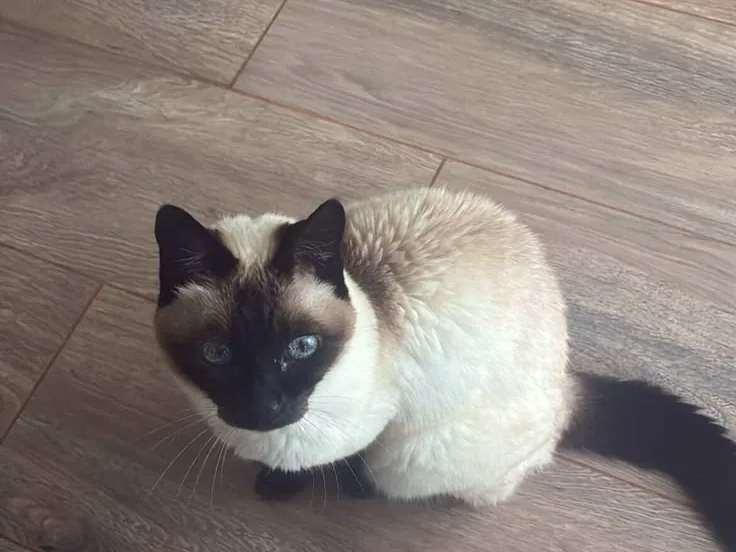
The Siamese is one of the oldest recognisable cat breeds and the ancestor of most modern oriental types. It comes from Thailand — formerly Siam — where temple and palace records describe pointed cats centuries ago; the first pairs reached Britain and the United States in the 1870s and 1880s. The modern show Siamese is a long, tubular cat with a wedge head, large ears and deep blue eyes, noticeably more extreme than the rounder "applehead" Siamese still common as pets and known in Thailand as the Wichien Maat.
The colour is temperature-sensitive albinism: pigment develops only on the coolest parts of the body — face, ears, legs and tail — so a Siamese kitten is born almost white and darkens over its first year. Points come in seal, chocolate, blue and lilac; the related Colorpoint Shorthair adds red and lynx points. The coat is short, close and almost odourless, which is one reason the breed was popular on ships.
Character is why people either love a Siamese or cannot live with one. They talk constantly in a low, raspy voice, follow their person from room to room, and want to be involved in everything, including showers and video calls. Left alone for long hours they become vocal, destructive, or both. They are highly trainable — many learn fetch, sit and harness walks — but they are not decorative cats, and a household that wants a cat seen and not heard should choose something else.
Care essentials
- Grooming
- Minimal: a rubber glove or chamois once a week removes loose hair. Bathe only when dirty, roughly every 2–3 months. Check ears weekly, brush teeth several times a week, and keep nails trimmed every 2 weeks. No special coat work is needed.
- Exercise & play
- At least 30–45 minutes of active play daily, split into sessions: wand toys, fetch, puzzle feeders, and a cat wheel or tall climbing tree. A second cat is often the cheapest way to meet a Siamese's play needs.
- Feeding
- Active, lean cats that burn calories quickly; feed measured meals of high-protein wet and dry food rather than free-feeding. Watch weight after neutering. Fresh water daily; many Siamese enjoy a running fountain.
- Home setup
- Warm, busy households where someone is home most of the day. Provide tall cat trees, window perches, shelves and closed-door-free access to the family. They tolerate apartments well as long as they are not left alone for ten hours.
Health
- Progressive retinal atrophy (PRA) in some lines
- Amyloidosis of the liver and kidneys, more common than in most breeds
- Feline asthma and chronic bronchitis
- Dental disease and gingivitis
- Strabismus (crossed eyes) and nystagmus, usually cosmetic
Hereditary amyloidosis is the one to ask breeders about; affected cats often show weight loss and raised liver enzymes by middle age. Siamese are also thin-skinned about cold — keep the house above 20 °C and provide heated beds in winter.
Health information here is general and not a substitute for veterinary advice. If your cat shows symptoms, contact a vet.
Frequently asked
Are Siamese cats very talkative?
Yes — they are among the loudest breeds. The call is low, raspy and constant, and they answer back when you speak. Thin-walled apartments and light sleepers are a bad match.
Do Siamese cats get along with dogs?
Usually yes, if the dog is cat-friendly and introductions are slow. Their social wiring makes them more willing than most cats to share a home with a calm dog, and many play with it.
Why do Siamese kittens change colour?
The point pattern is temperature-sensitive albinism: pigment only develops in cooler skin, so kittens are born cream-white and the face, ears, legs and tail darken over the first year. Cold weather and age deepen it further.
How long do Siamese cats live?
Twelve to twenty years, with fifteen a realistic average for an indoor cat. Dental care and weight control in middle age make the biggest difference to the upper end of that range.