Colorpoint Shorthair
重点色短毛猫 · Shorthair · Siamese variant (United States) · United States
The Colorpoint Shorthair is a Siamese in colours the Siamese standard does not allow.
Quick facts
- Weight
- 5–11 lb (2.3–5 kg)
- Length
- Body 15–18 in (38–46 cm), tail 11–14 in (28–35 cm)
- Lifespan
- 12–16 years
- Typical price
- $500–$1,500; in China ¥3,500–10,000
Temperament & lifestyle
About the breed
The Colorpoint Shorthair is a Siamese in colours the Siamese standard does not allow. Around 1948 breeders in the United States and Britain wanted a red point and crossed a red tabby American Shorthair with a seal-point Siamese. CFA granted the new breed championship status in 1964 with red and cream points, and added lynx and tortoiseshell points by 1969. Only CFA and WCF recognise it today; in TICA, FIFe and GCCF those cats are simply Siamese in those colours.
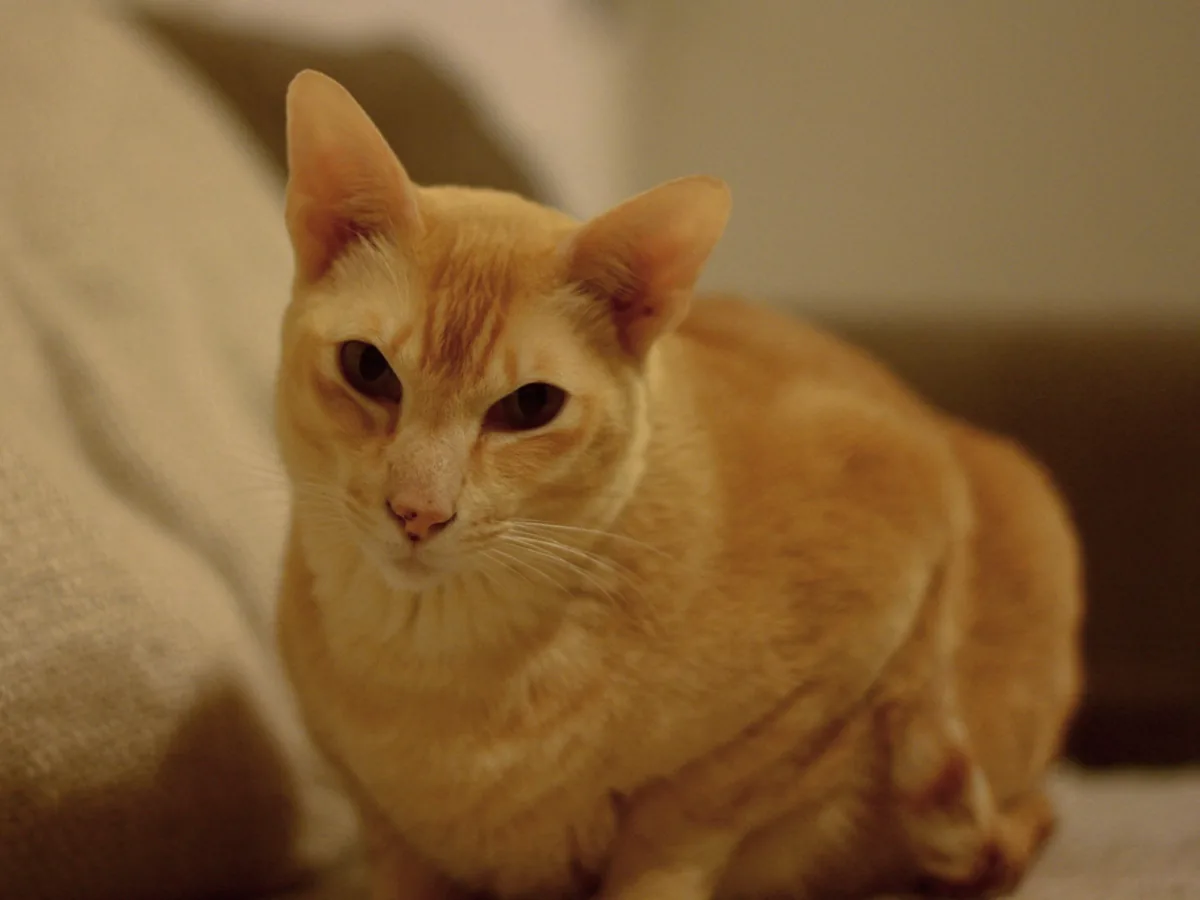
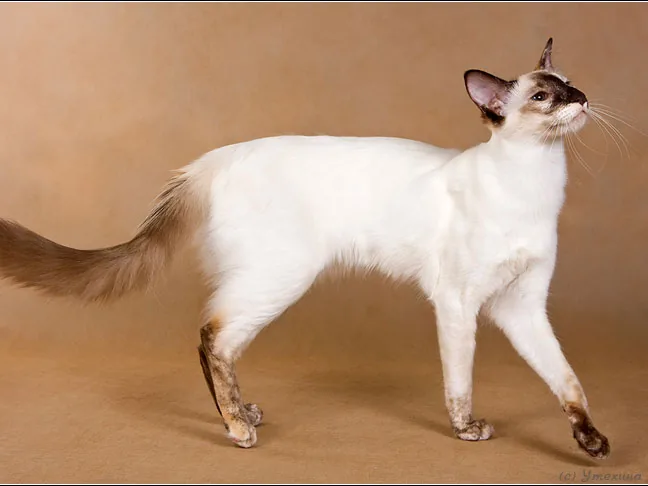
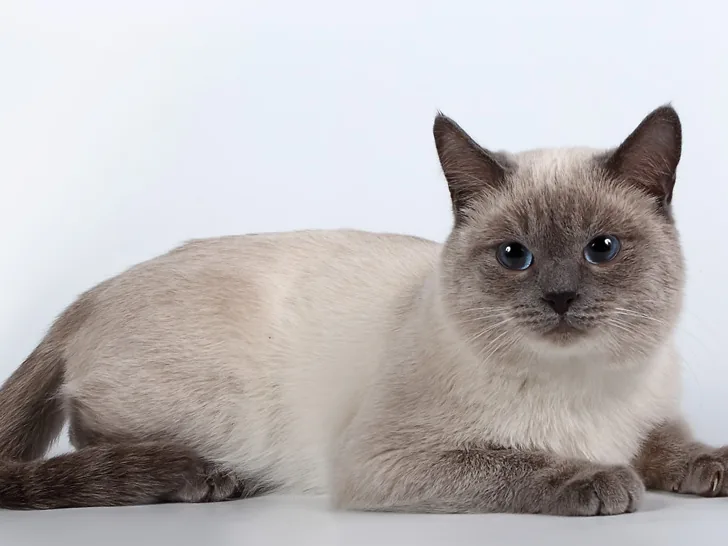
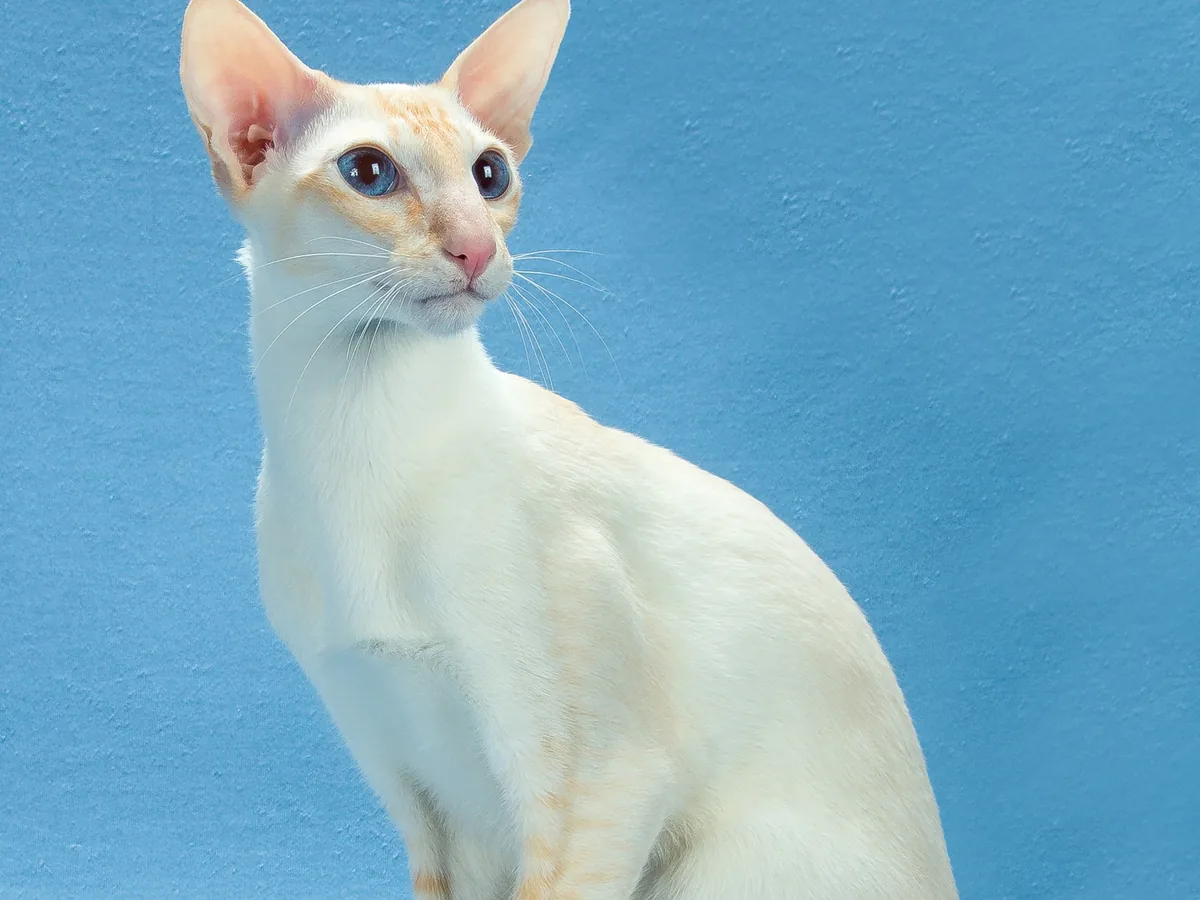
Physically it is the modern Siamese: a long wedge head on a slender neck, a tubular body, fine legs, a whip tail and a short glossy coat that lies flat. Colour sits on the points — red, cream, lynx (tabby) point and tortie point — over seal, chocolate, blue, lilac, cinnamon or fawn. The eyes are always blue and the body pale.
Personality is Siamese intensity: a loud, persistent voice, a need to be involved in every task, and a talent for opening doors and learning tricks. Colorpoints attach to one person and protest separation. They stay playful into old age and usually tolerate other cats and cat-friendly dogs, provided they are not left alone for long days.
Care essentials
- Grooming
- Rub over with a chamois or rubber glove once a week; the single short coat barely sheds and never mats. Check ears and teeth weekly instead — that is where the maintenance is.
- Exercise & play
- High: three short sessions a day, plus climbing shelves and puzzle toys. Ten minutes of training counts as exercise for this breed.
- Feeding
- Lean metabolism, so 1/3 to 1/2 cup dry or 3–4 oz wet daily in two meals; keep it slim rather than free-feeding, and expect more in winter.
- Home setup
- Fine in a flat if it is not left alone all day. It needs a warm high perch, a window and a second cat or a dog for company; cold draughts it dislikes.
Health
- Progressive retinal atrophy (PRA-rdAc) — DNA test available, night blindness first
- Hypertrophic cardiomyopathy (HCM) — echocardiogram breeding cats
- Feline asthma — coughing and wheezing, often triggered by dusty litter
- Hepatic amyloidosis — Siamese-linked, watch for jaundice and weight loss
- Convergent strabismus and tail kinks — cosmetic, present from birth
The health profile is the Siamese one, so ask for PRA DNA results and a cardiology scan on the parents. Crossed eyes and a kinked tail are cosmetic and do not affect quality of life, but a kitten with either should be priced as a pet, not a show cat.
Health information here is general and not a substitute for veterinary advice. If your cat shows symptoms, contact a vet.
Frequently asked
Is the Colorpoint Shorthair a separate breed from the Siamese?
Only in CFA and WCF, which register it for the non-standard point colours. TICA, FIFe and GCCF treat the same cats as Siamese in red, cream, lynx or tortie point, so a cat can be one breed in one registry and another elsewhere.
Which colours count as Colorpoint Shorthair?
Red, cream, lynx (tabby) point and tortoiseshell point, on seal, chocolate, blue, lilac, cinnamon or fawn. The four classic points — seal, chocolate, blue and lilac — remain Siamese and are not eligible.
Are Colorpoint Shorthairs good with children?
They are tolerant of gentle children but dislike rough handling and noise, and will scratch to get away. They do best in households where an adult is the main caregiver and children are taught to let the cat come to them.