Thai
泰国猫 · Shorthair · pointed natural breed (Thailand) · Thailand
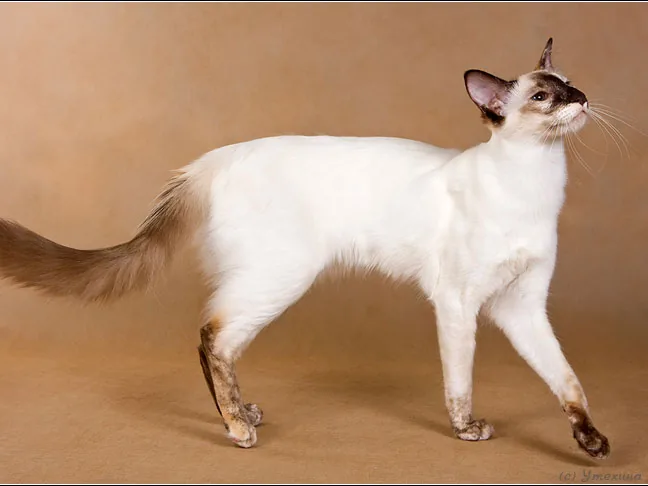
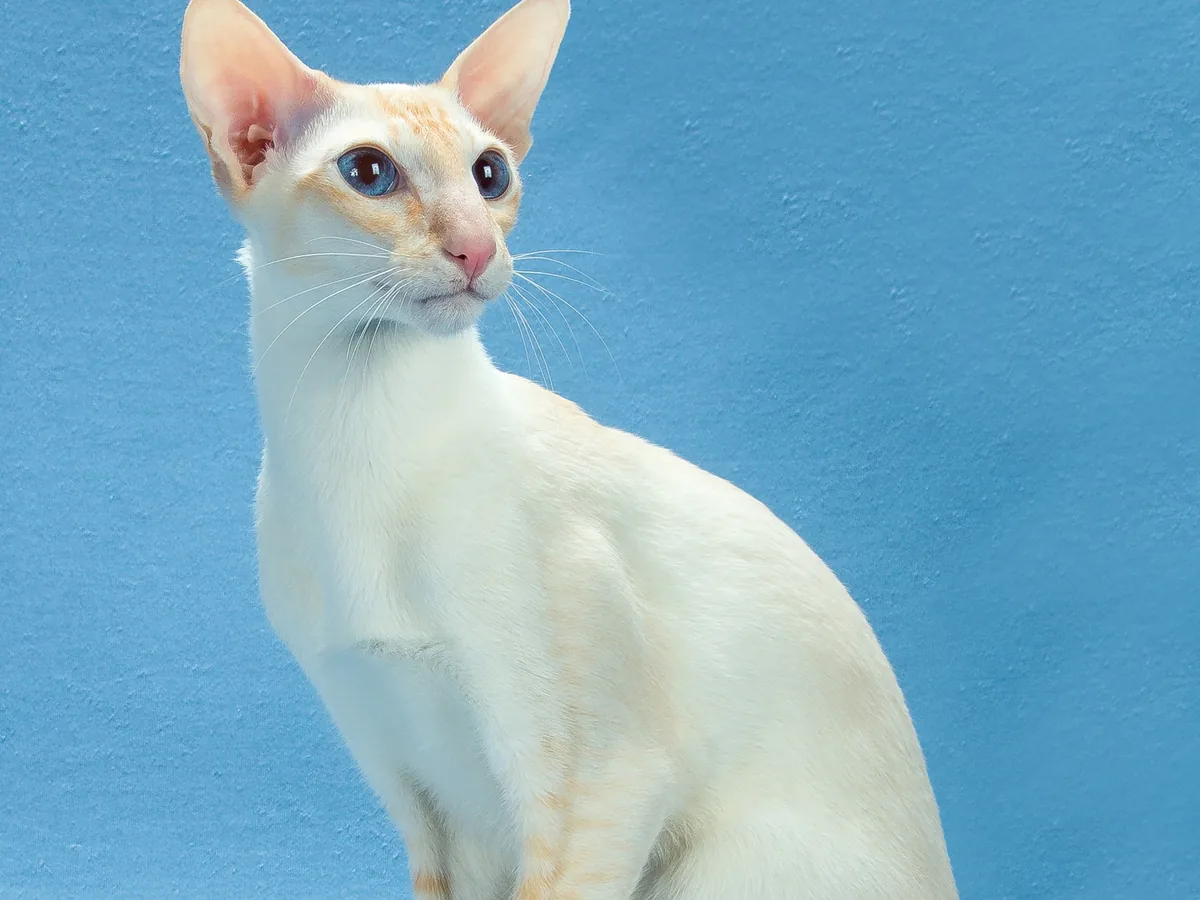
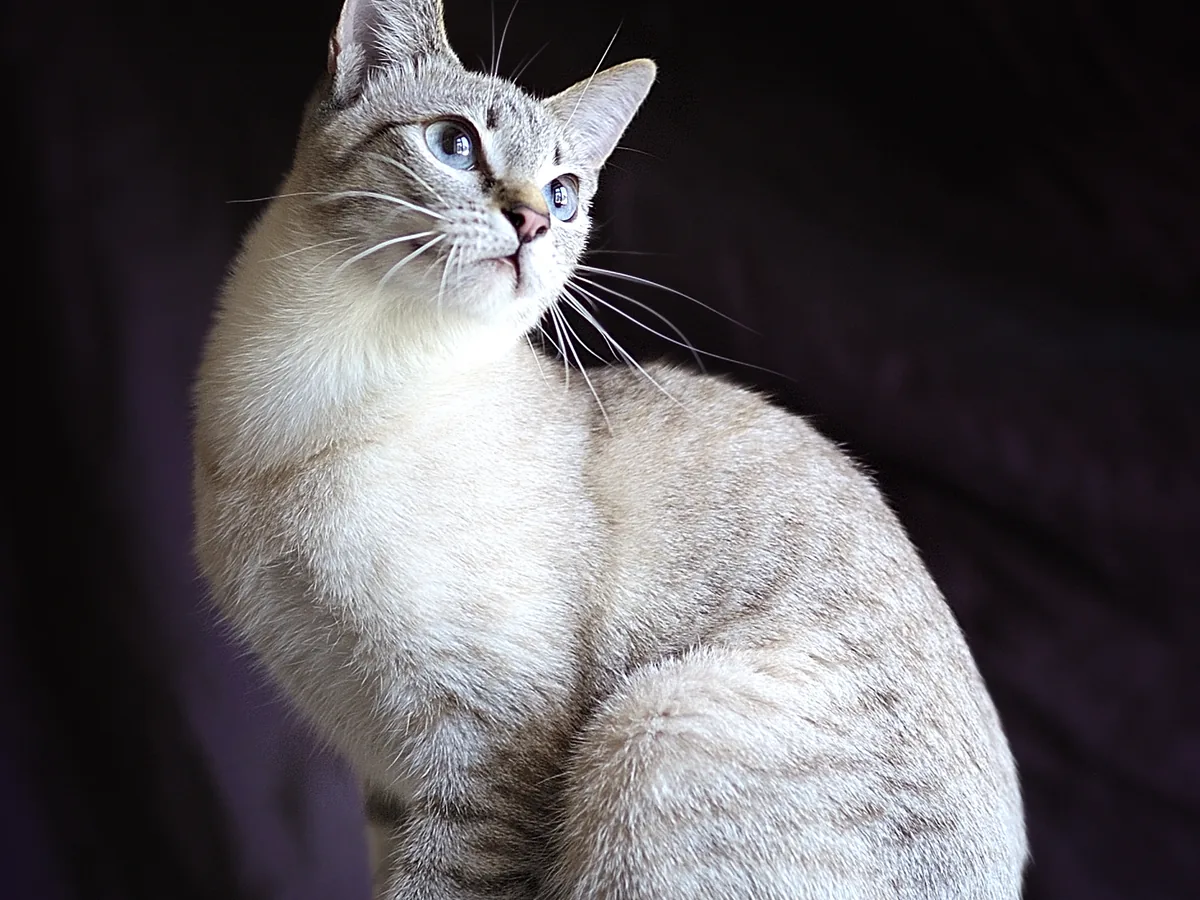
The Thai is the name TICA and WCF use for the moderate, old-style Siamese — the cat of Thailand's wichien-maat, not the extreme wedge that won the Western show rings after the Second World War.
Quick facts
- Weight
- 7–12 lb (3.2–5.4 kg)
- Length
- body 15–18 in (38–46 cm), tail 11–13 in
- Lifespan
- 15–20 years, some into their early 20s
- Typical price
- $600–$1,500 in the US; in China ¥3,000–10,000
Temperament & lifestyle
About the breed
The Thai is the name TICA and WCF use for the moderate, old-style Siamese — the cat of Thailand's wichien-maat, not the extreme wedge that won the Western show rings after the Second World War. Western breeding split the two types after 1945; from the 1980s clubs formed in the US and Europe to preserve the earlier look, and WCF recognised the original type as a separate breed, the Thai, with championship status in 1990. TICA declined the name Old-Style Siamese, followed the European example, and granted the Thai championship status in January 2010; FIFe accepted it as a preliminary breed in 2015. From 2001 breeders imported pointed cats from Thailand to widen a gene pool that had narrowed badly.
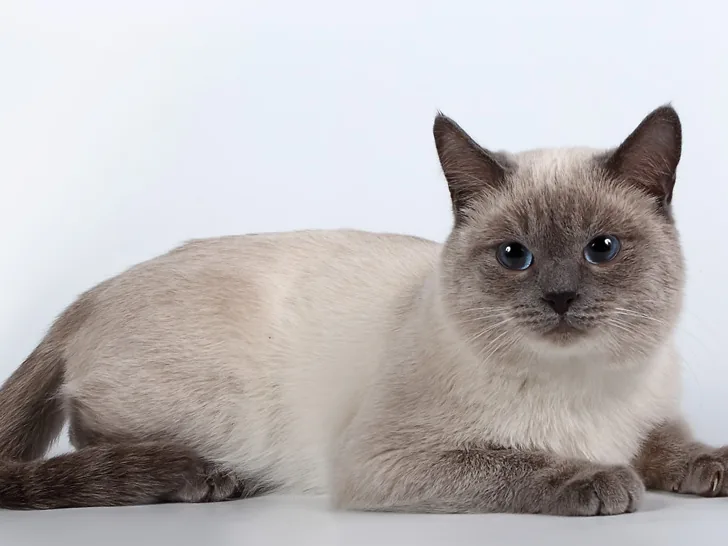
So the Thai and the CFA Siamese are not the same animal under two names. The Thai has a rounded upper head with a distinct wedge muzzle, a nose with at most a slight dip, and a short flat single coat with no longhair gene. It is always pointed with blue eyes, seal point most common. Females run 7–9 lb, males 9–12 lb.
Care essentials
- Grooming
- The shortest coat of any breed here — a weekly rub with a chamois is all it needs, and it barely sheds. Spend the saved time on teeth, because tartar builds quickly in this family.
- Exercise & play
- Active and agile: daily wand play, a tall tree, and ideally a cat wheel. It is a serious jumper and needs vertical outlets or it will use the kitchen shelves.
- Feeding
- Efficient metabolism and a tendency to stay slim; feed two measured meals of high-protein food. Watch for food-stealing in multi-cat homes, and keep water available.
- Home setup
- Warm rooms, high perches and company. It suits flats well because it is small and quiet-footed, but not households that are empty twelve hours a day. Give it a sunny window and a lap to claim.
Health
- Dental disease — tartar and gingivitis accumulate early in Siamese-family lines
- Feline asthma — reported at higher rates in the Siamese group than in the general cat population
- Hypertrophic cardiomyopathy (HCM) — present in the Siamese family; echo-screen breeding cats
- Obesity in middle age, especially in indoor cats that slow down after neutering
The Thai is a natural breed with a long history and, by Siamese-family standards, good health; TICA notes many live into their late teens or early twenties. The gene pool narrowed badly in the 20th century, which is why Thai breeders imported cats from Thailand from 2001 onward — ask whether a line includes those imports. Request HCM echoes on the parents and treat any cough or open-mouth breathing as asthma until proven otherwise.
Health information here is general and not a substitute for veterinary advice. If your cat shows symptoms, contact a vet.
Frequently asked
Is the Thai the same breed as the Siamese?
Same ancestry, different breed. CFA's Siamese is the extreme wedge type; the Thai is the moderate, rounded-head cat preserved by TICA, WCF and FIFe as a separate breed, with its own standard and its own studbook. A Thai cannot be shown as a Siamese, and the two are judged against opposite ideals.
Why is the Thai sometimes called applehead?
Because of the rounded upper skull, and the nickname started as an insult — breeders of the extreme Siamese used it in the 1950s to mock the traditional type. It stuck as a friendly shorthand, but Thai breeders prefer the breed name, since a proper Thai head is rounded on top and still distinctly wedge-muzzled.
How talkative is a Thai really?
Very. It comments on everything, answers when spoken to, and escalates if ignored; some owners describe full conversations. That makes it a poor fit for a quiet household or thin apartment walls, and a wonderful fit for someone who wants a cat that participates.