Balinese
巴厘猫 · Longhair · Siamese mutation (Thailand / United States) · Thailand / United States
The Balinese is a Siamese with a long coat, and it was not created in Bali.
Quick facts
- Weight
- 5–10 lb (2.3–4.5 kg)
- Length
- Body 15–18 in (38–46 cm), tail 12–15 in (30–38 cm) plumed
- Lifespan
- 12–18 years
- Typical price
- $600–$1,800; in China ¥4,000–12,000
Temperament & lifestyle
About the breed
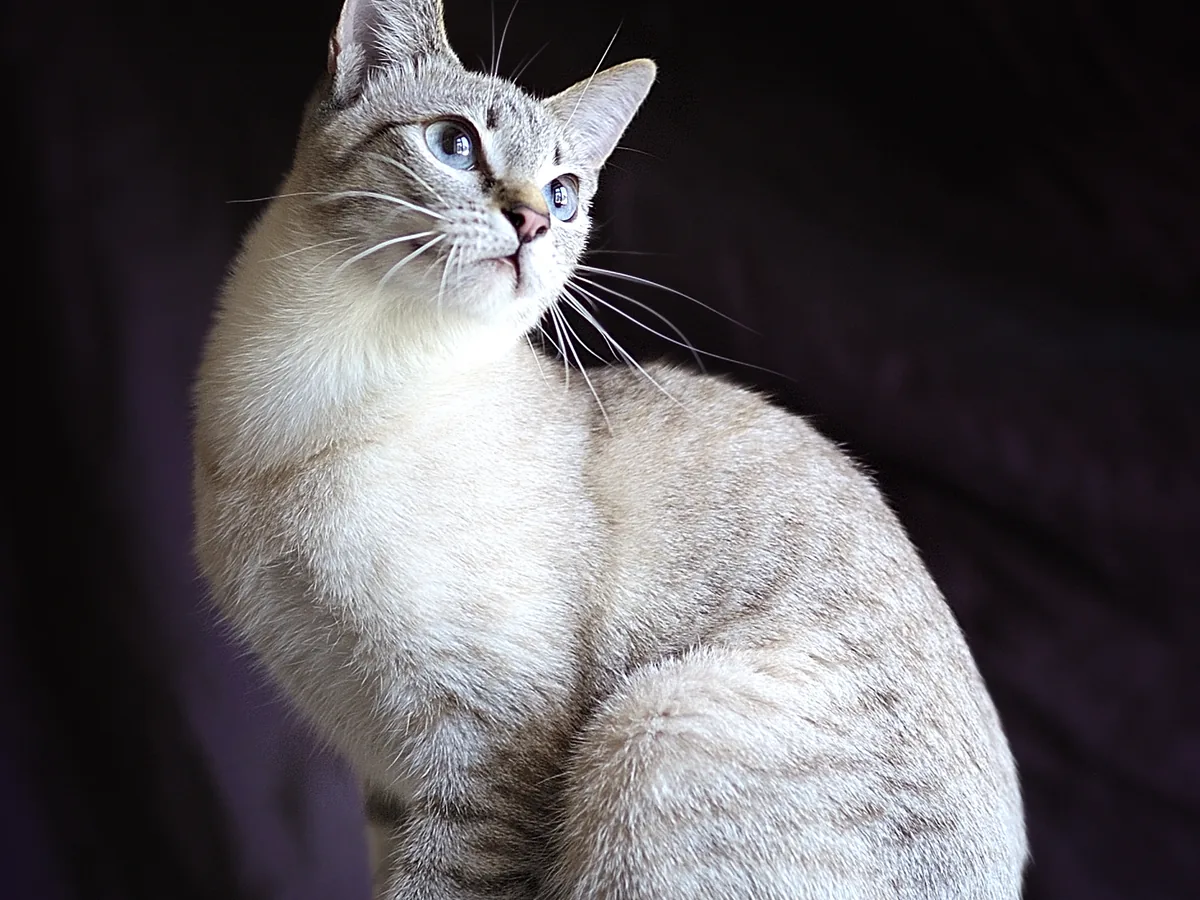
The Balinese is a Siamese with a long coat, and it was not created in Bali. Long-haired kittens turned up in Siamese litters imported from Thailand in the 1800s and were treated as faults, sold as pets. They were registered as "Long-haired Siamese" with the American Cat Fanciers' Federation in 1928, and in the 1950s US breeders began a deliberate programme. Helen Smith named the breed for the grace of Balinese dancers; Sylvia Holland fixed the standard in the 1960s and 70s. In CFA, longhairs in the red, cream, lynx and tortie point colours are a separate breed, the Javanese.
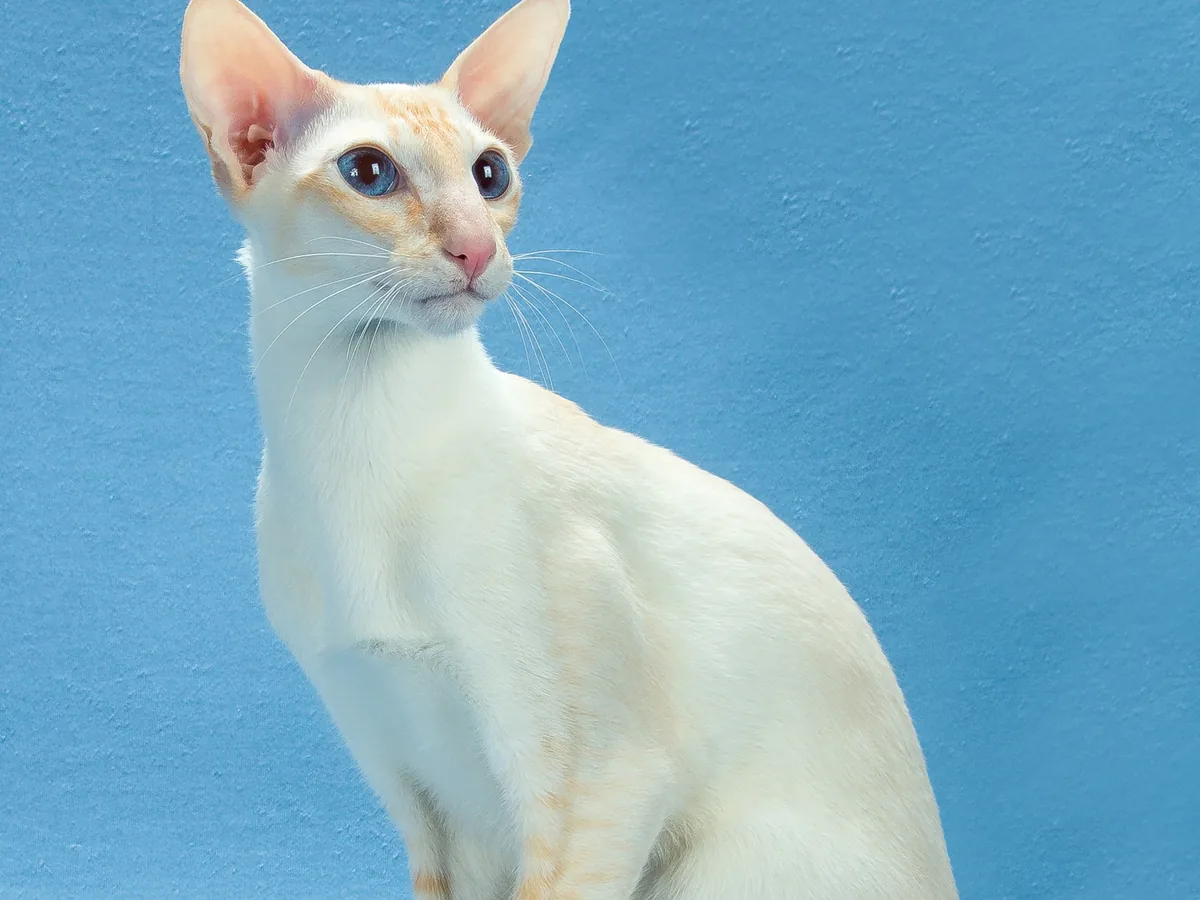
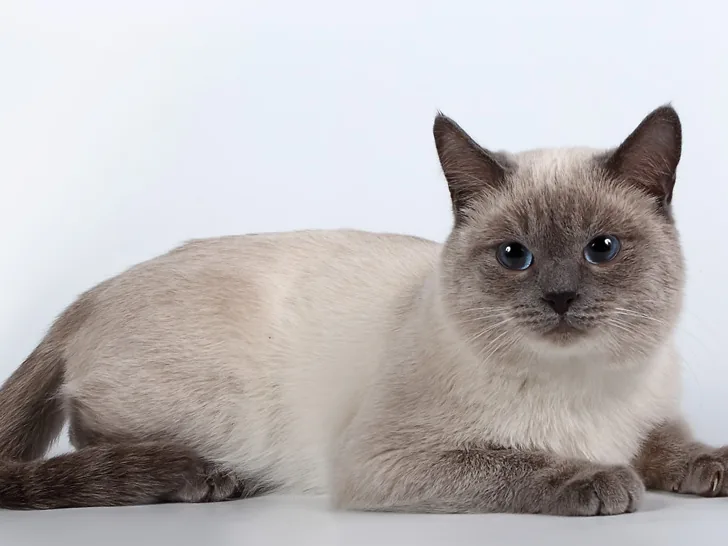
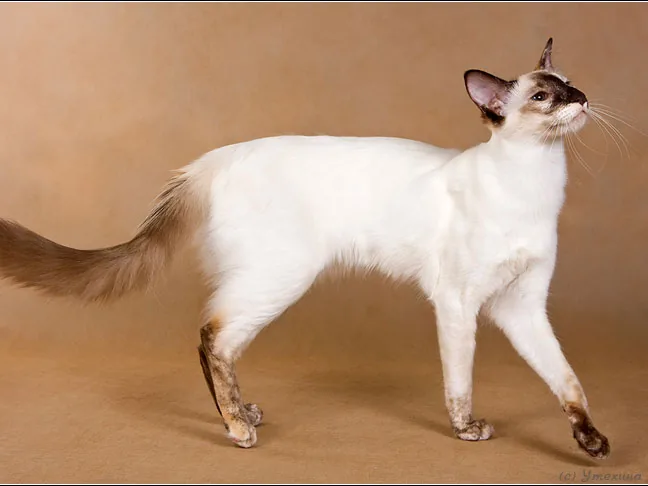
The coat is the difference: a single layer with no downy undercoat, so it lies flat and silky and ends in a plumed tail. Colour is restricted to the points — face, ears, legs, tail — over a pale body that darkens with age, and the eyes are deep blue. The body is long, tubular and fine-boned, 5–10 lb.
Balinese talk. They have the Siamese voice and use it, comment on everything, follow their person from room to room and climb to the highest shelf in the house. They are acrobatic, curious and social with other cats; a quiet, empty house is the one thing they handle badly.
Care essentials
- Grooming
- Comb twice a week with a stainless comb; the single coat has no undercoat to mat, but the tail plume tangles. No bath needed unless the coat looks greasy.
- Exercise & play
- High: two or three play sessions a day, plus ceiling-height climbing. A bored Balinese invents games with curtains and shelves, so rotate toys weekly.
- Feeding
- Active and lean, but a small framed cat — 1/3 to 1/2 cup dry or 3–4 oz wet daily, split into two meals. Keep food away from the water bowl; many prefer running water.
- Home setup
- Wants company more than space. A flat is fine if someone is home most of the day; a second cat helps, and a tall tree with a high perch is essential.
Health
- Progressive retinal atrophy (PRA) — DNA test available; night blindness appears first
- Hypertrophic cardiomyopathy (HCM) — echocardiogram breeding cats
- Systemic amyloidosis — Siamese-linked, often affects liver and kidneys
- Feline asthma — wheezing and coughing after exercise or in dusty litter
- Lysosomal storage disease (gangliosidosis, Niemann-Pick) — rare, fatal in kittens
Balinese inherit the Siamese disease profile, so a responsible breeder tests for PRA and scans hearts before breeding. Ask for the DNA result in writing, and have a kitten checked for nystagmus or an abnormal gait by four months, since storage disease shows early.
Health information here is general and not a substitute for veterinary advice. If your cat shows symptoms, contact a vet.
Frequently asked
Are Balinese cats from Bali?
No. The breed arose from long-haired kittens born in Siamese litters, and the name was chosen in the 1950s to evoke the dancers of Bali. The cats themselves descend from Thai Siamese stock and American breeding programmes.
How much do Balinese cats talk?
A great deal. They have the Siamese rasp and use it to comment on arrivals, meals and closed doors, often for several minutes at a time. Owners who want silence should look at a Chartreux or a British Shorthair instead.
What is the difference between a Balinese and a Javanese?
Coat colour rules, in CFA. Balinese are limited to the four classic Siamese points — seal, chocolate, blue and lilac — while longhairs in red, cream, lynx and tortie points are registered as Javanese. TICA and FIFe fold them back into the Balinese.