Serengeti
塞伦盖蒂猫 · Shorthair · Bengal × Oriental cross (United States) · United States (California)
The Serengeti was begun in 1994 by Karen Sausman, a biologist running Kingsmark Cattery in California, with a specific brief: produce a cat that reads as a serval at a glance, using no recent wild blood at all.
Quick facts
- Weight
- 8–15 lb (3.6–6.8 kg)
- Length
- body 17–21 in (43–53 cm), tail 12–15 in
- Lifespan
- 12–15 years
- Typical price
- $1,000–$2,500 in the US; in China ¥8,000–20,000
Temperament & lifestyle
About the breed
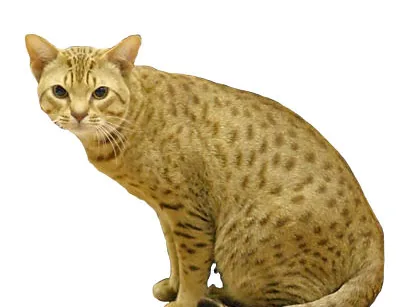
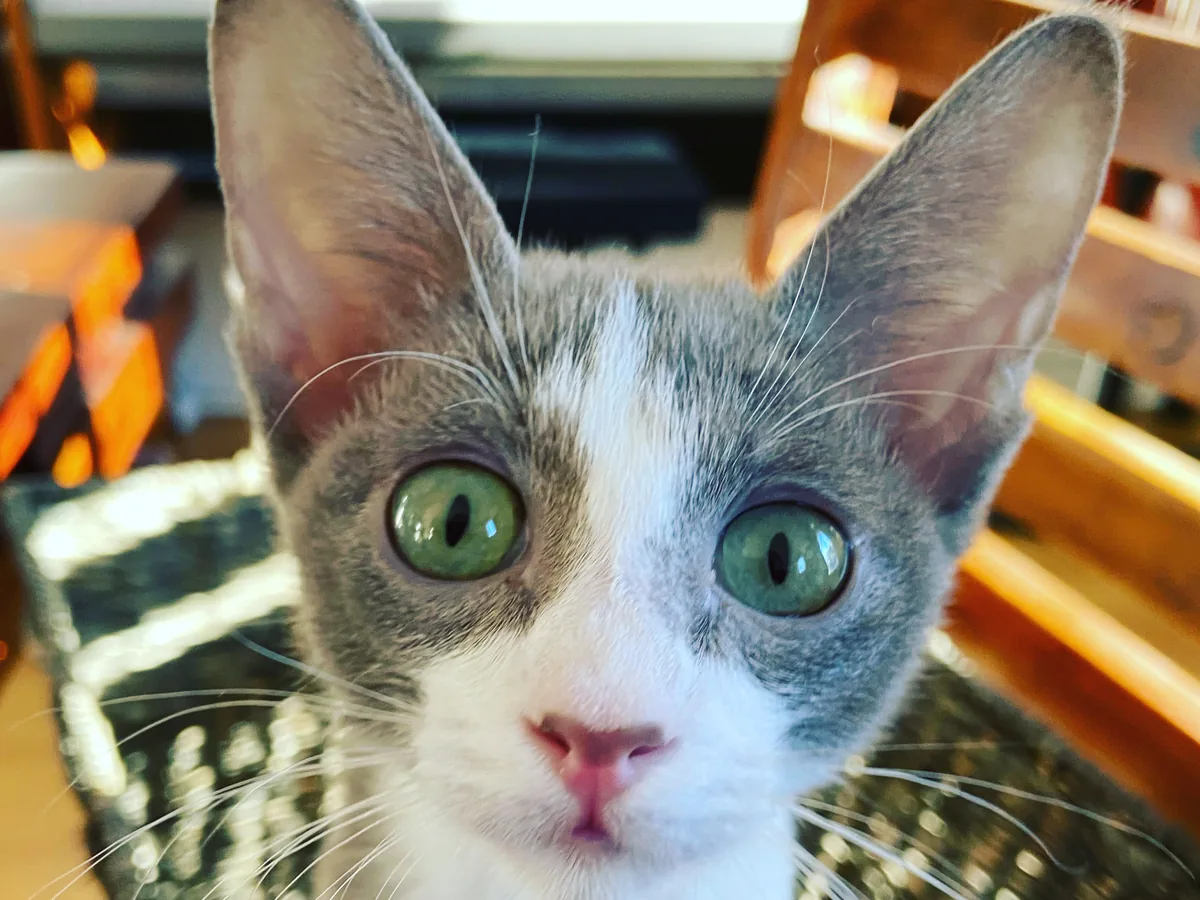
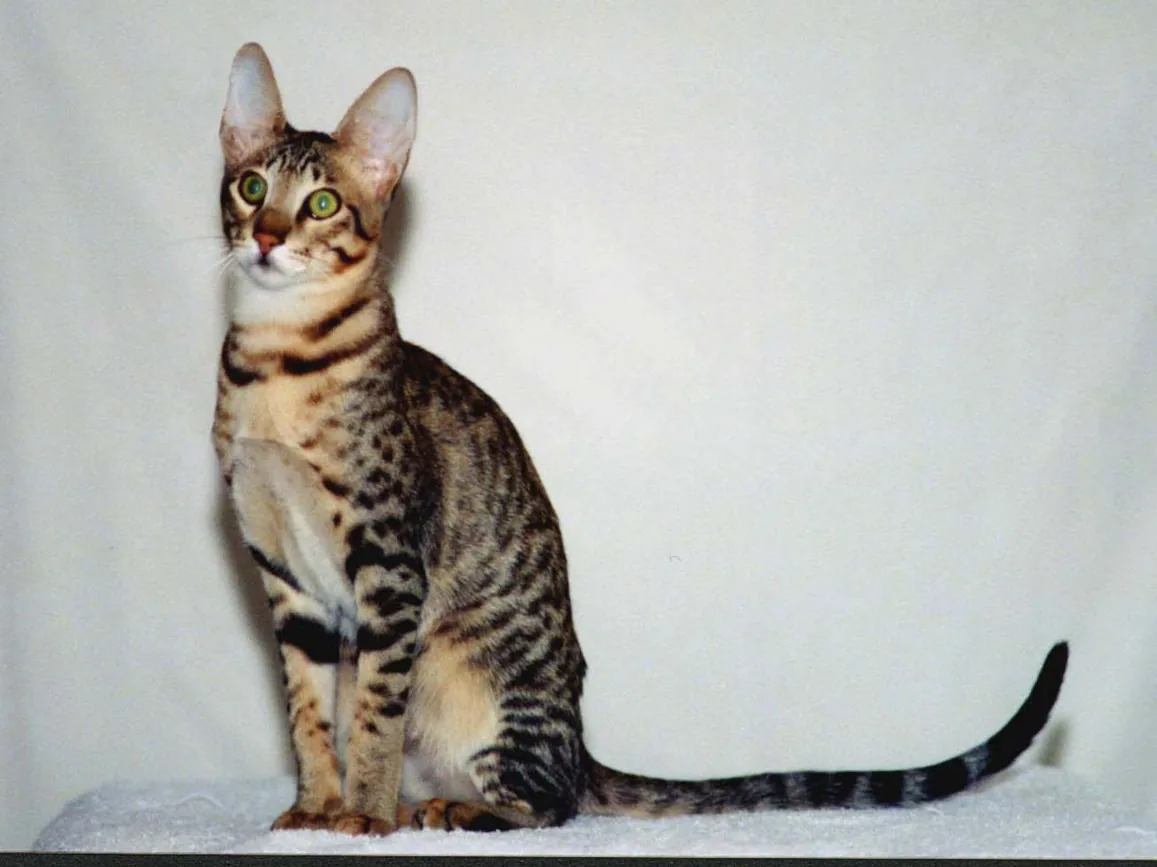
The Serengeti was begun in 1994 by Karen Sausman, a biologist running Kingsmark Cattery in California, with a specific brief: produce a cat that reads as a serval at a glance, using no recent wild blood at all. She crossed Bengals — themselves descendants of Asian leopard cat × domestic matings, by then many generations from the wild — with Oriental Shorthairs, then selected hard for long legs, a long neck, high-set round-tipped ears and crisp spots.
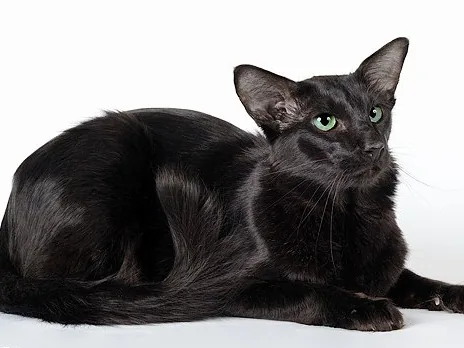
The result is a tall, leggy cat of Oriental type wearing leopard-like spots: black or dark brown on tan, gold or silver, with ghost spotting sometimes visible on the solid black. Males run 10–15 lb, females 8–12 lb, and the build is fine-boned rather than heavy. TICA is the registry that recognises the breed, and first-generation crosses cannot be registered as Serengeti; the population remains small and still developing.
Character is Oriental through and through: busy, curious, loud and physically fearless. These cats climb to the top of doors, ride shoulders, investigate every bag, and complain audibly when a room is closed to them. They bond closely and dislike being shut out, and they need an owner who will play with them properly rather than admire them from a sofa.
Care essentials
- Grooming
- Almost nothing: a chamois or rubber glove once a week lifts loose hair and spreads skin oils. Check ears and teeth instead — the coat takes minutes, the mouth takes effort.
- Exercise & play
- The highest-energy entry in this batch. Two or three proper play sessions a day, a tall cat tree, shelving to traverse and ideally a secure outdoor run; without that it redecorates.
- Feeding
- Lean, muscular and active, so it burns through calories — but keep meals measured and protein high rather than free-feeding dry food. Fresh water matters; this family is prone to urinary crystals.
- Home setup
- Vertical space is the whole game: ceiling-high climbing, perches, things to bat off ledges. It tolerates flats if it can climb, and hates being locked out of rooms. Company through the day prevents most behaviour problems.
Health
- Urinary crystals and blockage — the breed's most reported problem, and more dangerous in males
- Hypertrophic cardiomyopathy (HCM) — inherited through both Bengal and Oriental lines; echo-screen parents
- Progressive retinal atrophy (PRA) — carried in Bengal lines; DNA testing is available
- Pyruvate kinase (PK) deficiency — a Bengal-line inherited anaemia; a DNA test exists
Because the breed was built from Bengals, it inherits the Bengal screening list, not just the Oriental one. Ask for PRA and PK DNA results on both parents and an HCM echo on the heart, and get the pedigree in writing. Feed wet food, keep water bowls wide and refreshed, and treat any male cat straining in the litter tray as an emergency.
Health information here is general and not a substitute for veterinary advice. If your cat shows symptoms, contact a vet.
Frequently asked
Is the Serengeti a wild hybrid?
Not in any practical sense. It was made by crossing Bengals with Oriental Shorthairs, and the Bengals used were already many generations from the Asian leopard cat, so no recent wild blood is involved. Registries treat it as a domestic breed, and first-generation crosses are not registered as Serengeti.
How is a Serengeti different from a Savannah?
The Savannah carries actual serval blood and is legally restricted in many places; the Serengeti was built to look similar using only domestic breeds. In practice the Serengeti is smaller, finer-boned and more consistently Oriental in temperament — and it is legal to keep almost anywhere.
Do Serengetis need more exercise than other cats?
Yes, closer to a Bengal than to a typical shorthair. Plan on two or three structured play sessions daily plus vertical climbing space, or the cat will find its own entertainment in cupboards and shelves. A secure outdoor run or catio makes an enormous difference.