Javanese
爪哇猫 · Semi-longhair · Balinese colour division (CFA) · Canada / United States
The Javanese is not a cat from Java.
Quick facts
- Weight
- 5–10 lb (2.3–4.5 kg)
- Length
- Body 17–20 in (43–51 cm), plumed tail 12–14 in (30–35 cm)
- Lifespan
- 12–16 years
- Typical price
- $700–$1,800 in the US; €600–1,300 in Europe
Temperament & lifestyle
About the breed
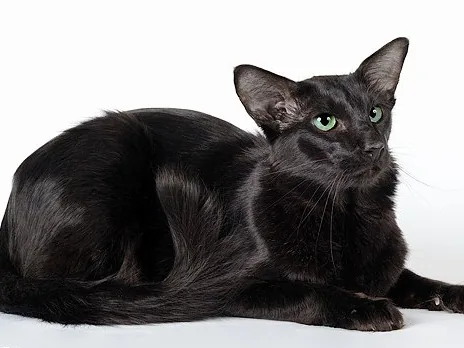
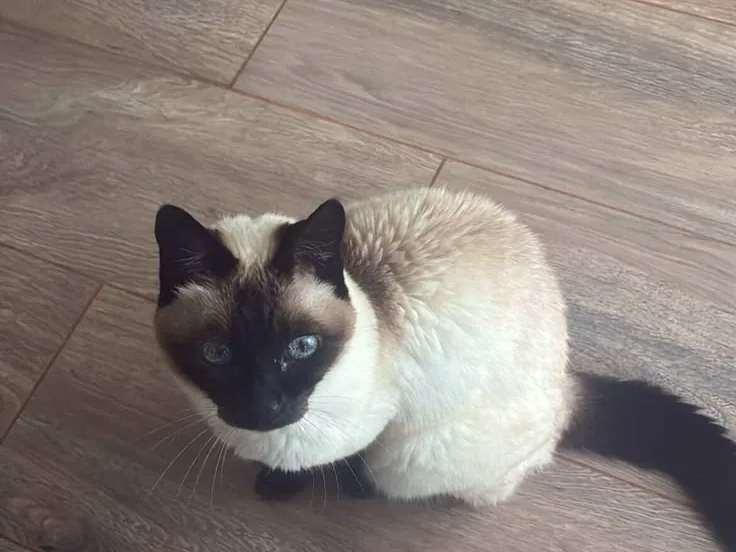
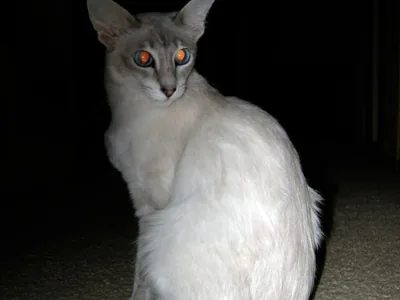
The Javanese is not a cat from Java. The name was coined at a 1950s cattery, then reused in 1979 when Balinese breeders in Canada and the United States asked CFA to register the colours the Balinese standard excluded: lynx point, tortie point, red and cream point. CFA took them in as a separate breed, granted championship in 1986, then folded them back into the Balinese in 2008 as the Javanese Division — which is what the name means today: a Balinese in non-traditional point colours. Twenty-four colour combinations beyond the four classics are eligible, and all must have blue eyes.
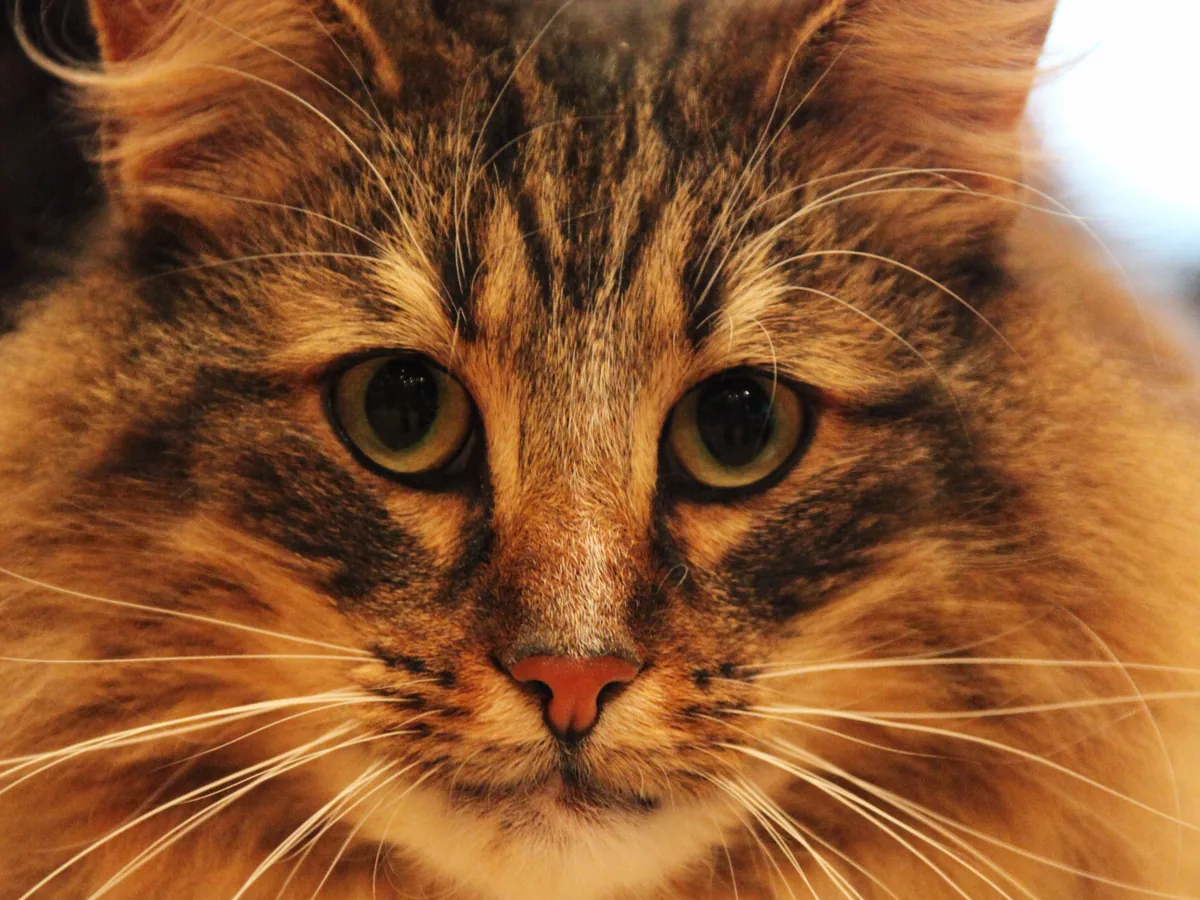
Physically it is the Balinese silhouette: long tubular body, wedge head on a slender neck, plumed tail. The coat is the breed's real oddity — a single silky layer with no downy undercoat, so it lies flat against the skin and barely mats, unlike most semi-longhairs. Kittens are born pale and keep darkening for about two years.
Expect a talkative, athletic cat that follows people from room to room and comments on everything. It is a poor choice for anyone wanting a silent ornament, and a good one for households that enjoy conversation. One warning: the name does not travel. Some registries use it for the Oriental Longhair, and WCF merges these colours with the Himalayan into a single Colourpoint breed.
Care essentials
- Grooming
- Comb twice a week with a steel comb; the single coat has no down to felt, so tangles are rare and a slicker is enough. Check the plume tail and behind the ears, where the hair is longest.
- Exercise & play
- Twenty minutes of interactive play daily, plus vertical space — cat trees, wall shelves, a top-of-door perch. It will invent its own games if bored, and those are usually destructive.
- Feeding
- Lean, active metabolism but a scavenger's appetite: measured meals twice a day, roughly 5–6 oz wet or 1/2 cup dry, and no free-feeding. Keep treats under a tenth of daily calories.
- Home setup
- Wants company, height and something to climb. A single Javanese in an empty flat is a recipe for yowling and chewed cables; pairs or a dog companion work well, and a window perch is close to essential.
Health
- Hypertrophic cardiomyopathy (HCM) — inherited in the Siamese family; annual echo for breeding cats
- Hepatic amyloidosis — protein deposits in the liver, seen across Siamese-related breeds; often detected only at crisis
- Progressive retinal atrophy — late-onset vision loss documented in the breed group; DNA tests exist for some lines
- Dental disease — gingivitis and tooth resorption are common from middle age
- Sensitive to anaesthesia — the breed group carries a higher risk, so discuss protocols before surgery
The Javanese shares its gene pool with the Balinese, Siamese and Colorpoint Shorthair, so it inherits their problems rather than any of its own. Ask for HCM echo results on both parents, PRA status where tested, and a dental history; a lean body condition score protects the heart and joints more than any supplement.
Health information here is general and not a substitute for veterinary advice. If your cat shows symptoms, contact a vet.
Frequently asked
Is the Javanese the same as the Balinese?
In CFA, effectively yes: since 2008 the Javanese is the Javanese Division of the Balinese, reserved for non-traditional point colours such as lynx, tortie and red point, while seal, blue, chocolate and lilac points remain plain Balinese. In other registries the same cats may be called Colorpoint Longhair; some use the name Javanese for the Oriental Longhair, and WCF merges these colours with the Himalayan into one Colourpoint breed.
Why does the coat barely mat?
Because it is a single coat. There is no dense downy undercoat for loose hairs to tangle into, so the silky topcoat lies close to the body and sheds relatively little. The trade-off is less insulation, and a cat that feels the cold more than a double-coated breed.
How much noise should I expect?
A lot. Javanese vocalise constantly and at volume — greetings, complaints, running commentary — and they get louder when ignored. If you need a silent cat or work night shifts, this is the wrong breed; if you want a cat that answers you, it is the right one.