German Rex
德国卷毛猫 · Shorthair · rex mutation (Germany) · Germany
The German Rex is one of the oldest curly-coated breeds still being bred, and its foundation cat comes with a paper trail.
Quick facts
- Weight
- 6.6–11 lb (3–5 kg); females 3–4 kg, males to 5 kg
- Length
- Body 16–18 in (40–46 cm), tail 11–13 in (28–32 cm)
- Lifespan
- 12–15 years
- Typical price
- $1,200–2,800 in the US (rarely offered); €650–2,200 in Europe
Temperament & lifestyle
About the breed
The German Rex is one of the oldest curly-coated breeds still being bred, and its foundation cat comes with a paper trail. In the summer of 1951 a physician, Rose Scheuer-Karpin, noticed a black, curly-coated cat in the garden of the Hufelandklinik in Berlin-Buch; the hospital staff said they had known her since 1947. Scheuer-Karpin took her home and named her Lämmchen, "little lamb". The first deliberately bred German Rex kittens were born in 1957, from Lämmchen and her straight-coated son.
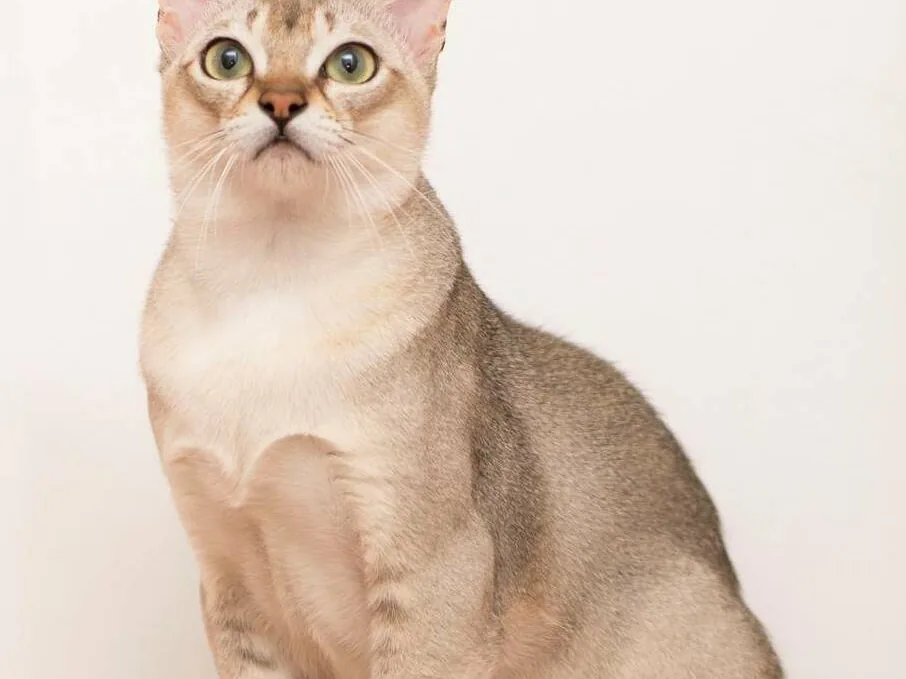
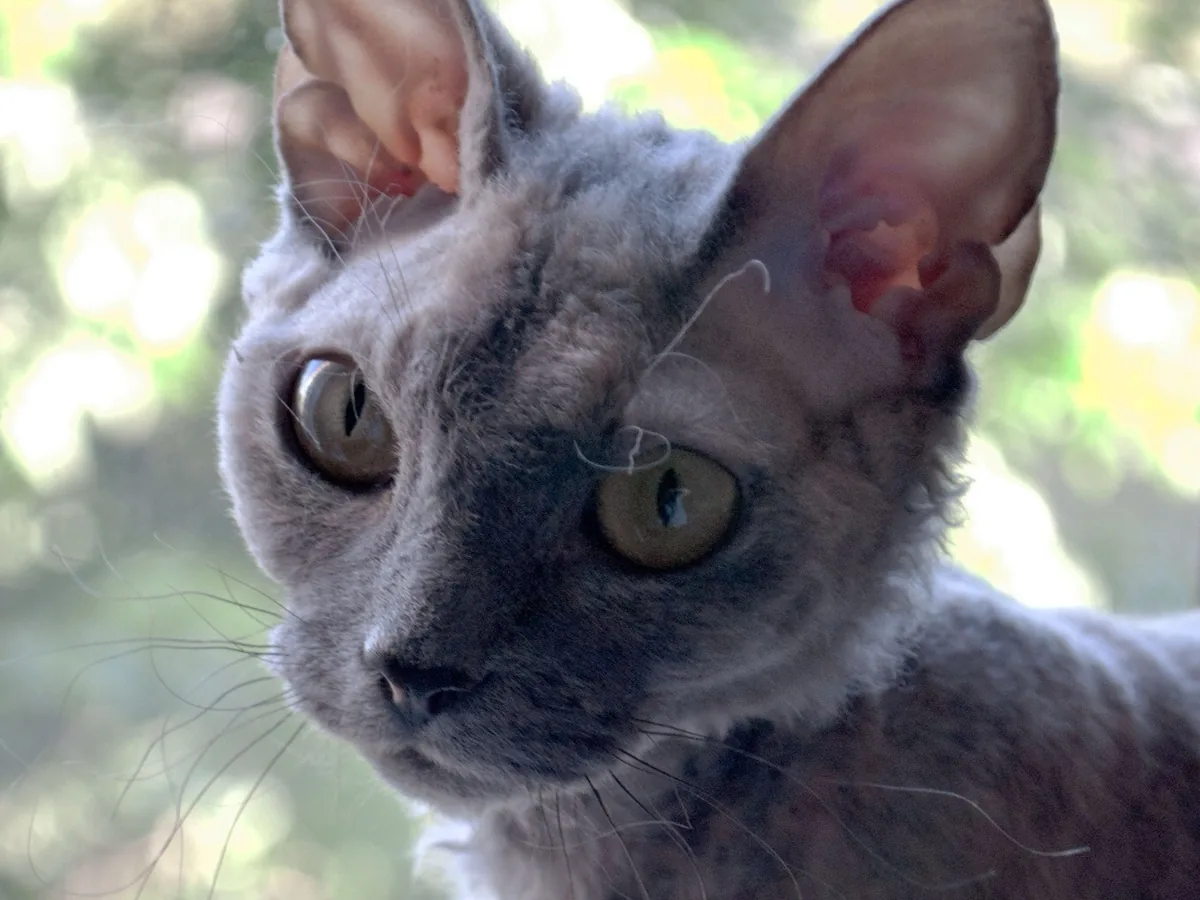
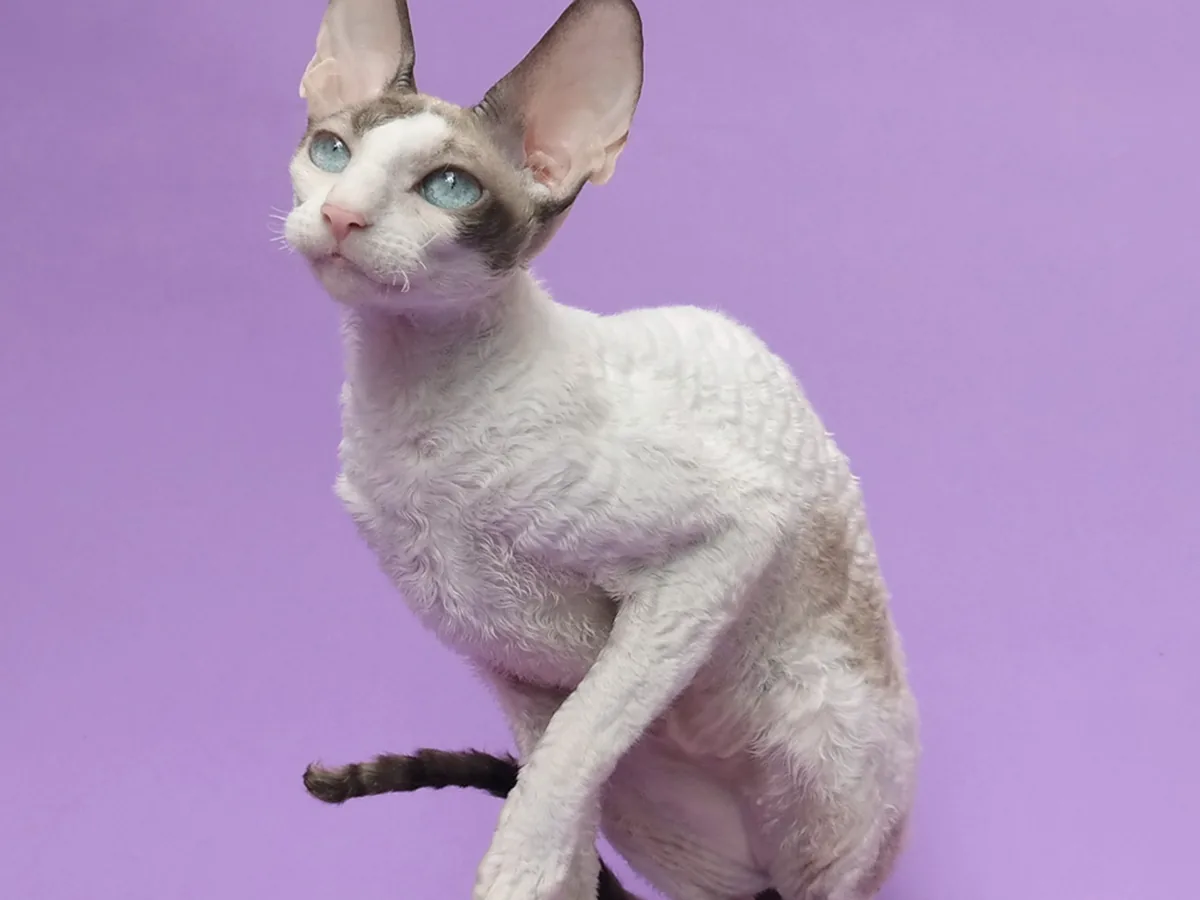
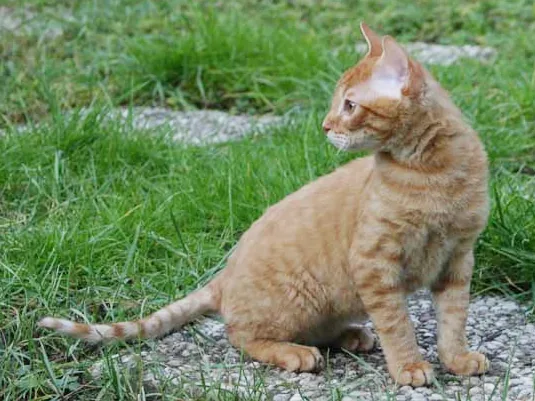
Genetically the breed carries the same recessive rex allele as the Cornish Rex — the two are alleles of one gene rather than separate mutations, which is why crosses were once used to widen both. It is the heavier of the two: a medium cat with a round head, full cheeks, and a body much closer to a European Shorthair than to the Cornish whippet. The coat is short, silky and wave-prone, with no guard hairs, and even the whiskers curl, though less tightly. All colours and patterns are accepted, and the wave is not fully formed until about two years.
Lämmchen's line narrowed badly. East German breeders kept it going from 1968 and a West German cattery established it in 1973. FIFe recognises the breed, but litters are few and prices reflect that.
Care essentials
- Grooming
- Nearly self-maintaining: a rubber glove or chamois once a week lifts loose hair and keeps the wave tidy. Bathe rarely — the coat has no guard hairs and dries quickly, but frequent washing leaves it flat and greasy.
- Exercise & play
- Busier than it looks. Two ten-minute wand sessions a day plus a tall scratching post; it climbs and balances more than it sprints, and will invent games with bottle caps if bored.
- Feeding
- Small appetite, easy weight gain after neutering. Measure roughly 45–60 g of dry food or 4–5 oz of wet a day, and check ribs monthly rather than trusting the bowl.
- Home setup
- Warm rooms without draughts and a heated bed — the thin coat insulates poorly. Indoors only; pale cats can burn on the ears and nose after a long afternoon in direct sun.
Health
- Hypertrophic cardiomyopathy (HCM) — reported across the rex breeds; no breed-wide screening scheme exists, so ask for the parents' echocardiograms
- Skin and ear problems — sunburn on pale ears and noses, waxy ears, and occasional seborrhoea from the sparse coat
- Cold stress — little body fat and no guard hairs; a winter escape or a cold floor can drop body temperature fast
- Inbreeding depression — every living German Rex descends from one Berlin cat found in 1947
Ask for the coefficient of inbreeding, litter sizes over the last few generations, and recent heart scans of both parents; a breeder who cannot produce them is guessing. Keep the cat indoors, and have any persistent ear discharge or bald patch checked rather than treated with shampoo.
Health information here is general and not a substitute for veterinary advice. If your cat shows symptoms, contact a vet.
Frequently asked
Is the German Rex the same cat as the Cornish Rex?
No, but they are close relatives: both carry recessive alleles at the same rex gene, so a Cornish-to-German cross can produce curly kittens. The German Rex is the heavier, rounder one, with a body closer to a European Shorthair, and its whiskers curl less tightly.
Do German Rex cats trigger allergies less than other cats?
There is no hypoallergenic cat, and this breed still produces Fel d 1 in saliva and skin oils. Some allergic owners report fewer symptoms because the coat sheds less and lacks guard hairs, but reactions vary by person — spend time with adult cats before committing.
How rare is the German Rex, and what does a kitten cost?
Litters are counted in the dozens across Europe each year, and there is almost no breeding in North America. European breeders ask roughly €650–2,200 for a pedigree kitten; in the US, expect $1,200–2,800 and a long wait, or a healthy retired adult from a European cattery.