European Shorthair
欧洲短毛猫 · Shorthair · natural breed (Europe) · Europe (standardised in Scandinavia)
The European Shorthair is the pedigreed version of the ordinary European farm and village cat — the mouser that lived in barns, shops and kitchens for centuries before anyone wrote a standard.
Quick facts
- Weight
- 10–15 lb (4.5–6.8 kg)
- Length
- body 18–20 in (46–51 cm), tail 11–13 in
- Lifespan
- 15–20 years
- Typical price
- €600–1,200 in Europe; $800–$1,500 in the US; in China ¥5,000–15,000
Temperament & lifestyle
About the breed
The European Shorthair is the pedigreed version of the ordinary European farm and village cat — the mouser that lived in barns, shops and kitchens for centuries before anyone wrote a standard. FIFe recognised it in 1949, and its oldest recorded individual was born in 1940. Until 1982 the British and European types were judged to one standard; that year FIFe gave the Scandinavian-bred European its own, separating it from the British Shorthair, which had been crossed with Persians and bred cobbier, rounder and shorter in the muzzle.
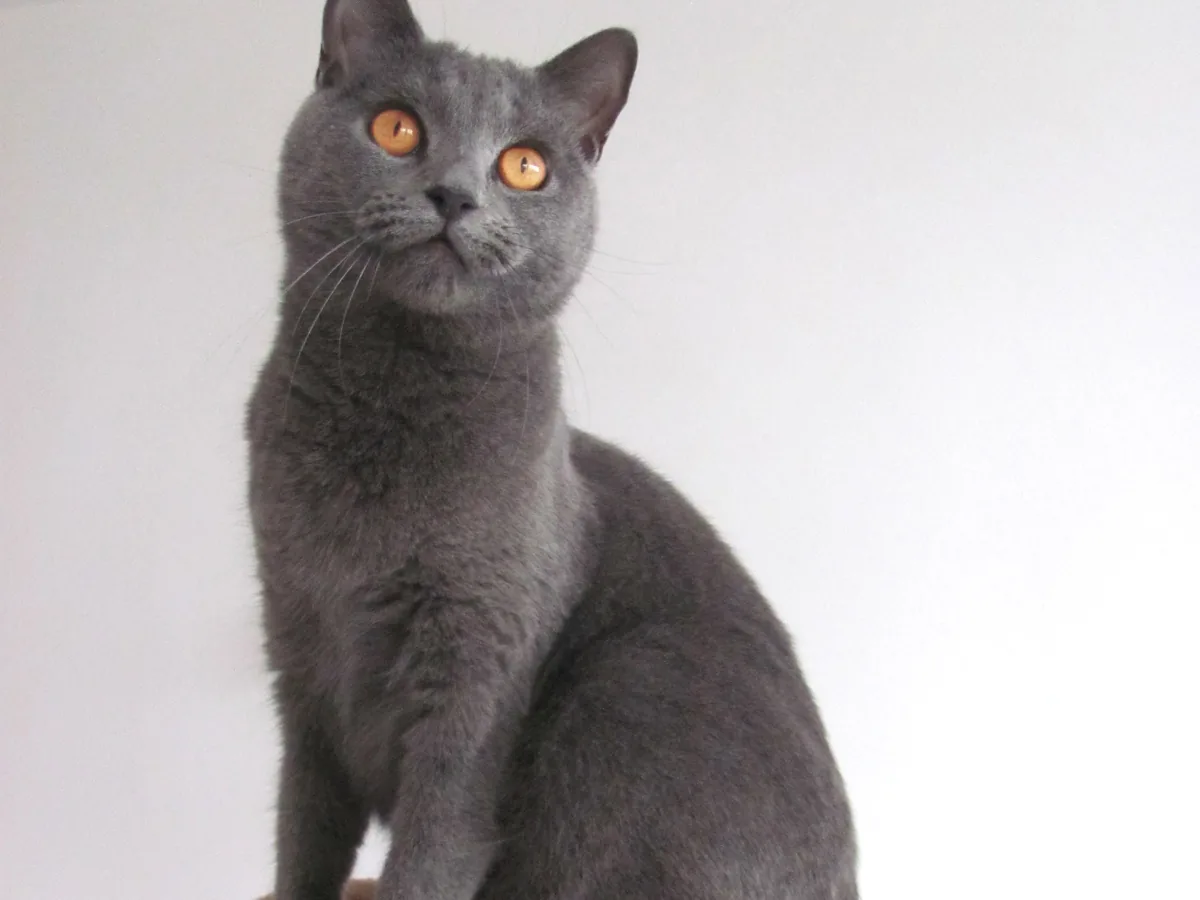
The distinction matters: a European Shorthair is not simply any stray tabby. It is a medium to large, muscular cat with a broad head, a muzzle that is short but not squashed, round eyes, medium ears and a short, dense, weatherproof coat in almost every colour and pattern, classic tabbies included. Males reach 12–15 lb.
The breed is common in Finland, Sweden and Germany and rare almost everywhere else, including the United States, where no major registry recognises it; TICA lists it as registration-only. Temperament is the appeal: adaptable, friendly without being clingy, a genuine hunter, and unbothered by children, dogs or a change of address.
Care essentials
- Grooming
- Brush once a week, twice in spring and autumn when the undercoat blows. The dense short coat is nearly self-maintaining, but it does shed, and a rubber curry removes most of it before it reaches the furniture.
- Exercise & play
- Moderate: one solid play session a day plus outdoor access or a catio. It self-exercises by patrolling and climbing, and is far less demanding than an Oriental breed.
- Feeding
- Thrifty appetite and a tendency to gain weight after neutering; measured meals twice a day with wet food included. It was bred to live on scraps and will not self-regulate if free-fed.
- Home setup
- The most flexible breed here — flats, farms, families, singles. It wants a window, a scratching post and, ideally, a garden; it copes with being alone during the working day better than most.
Health
- No breed-specific inherited disease is documented — a natural landrace with a broad gene pool
- Dental disease — tartar and gingivitis are the most common finding at annual checks
- Obesity after neutering, especially in indoor cats with a thrifty metabolism
- Hypertrophic cardiomyopathy (HCM) and lower urinary tract disease — the general feline risks, not breed-specific
This is one of the healthiest pedigreed cats precisely because nobody selected hard for a look: FIFe and WCF standards describe the ordinary European cat rather than an engineered shape. That means no mandatory breed DNA panel, but it does not mean no screening — ask for HCM echoes if the parents were bred, keep teeth clean, and have bloodwork and urine checked annually from about eight years old. The long lifespan, often 15 to 20 years, is the payoff for that genetic breadth.
Health information here is general and not a substitute for veterinary advice. If your cat shows symptoms, contact a vet.
Frequently asked
Is a European Shorthair just a domestic shorthair?
No, though the confusion is understandable — the breed was built to look exactly like the ordinary European cat. A European Shorthair has a registered pedigree and is judged against a written standard for head, body and coat; a domestic shorthair is a landrace cat with no papers. The breed also has a deliberately broad outcross policy to keep it that way.
How does it differ from a British Shorthair?
The British is cobbier and rounder, with a shorter muzzle and a denser, crisper coat, partly because of 20th-century Persian crosses. The European is rangier and more athletic, with a longer muzzle and a flatter, weatherproof coat, and it was given a separate FIFe standard in 1982 for exactly that reason.
Why is the European Shorthair so hard to find outside Europe?
Because it is a Scandinavian and German breed first, and the populations of lookalike cats in Europe mean breeders there never needed to export. No major US registry recognises it — TICA lists it as registration-only — so American buyers usually import from Finland, Sweden or Germany.