Turkish Van
土耳其梵猫 · Semi-longhair · natural breed · Lake Van basin, eastern Turkey
The Turkish Van is named for the Lake Van basin in eastern Turkey, a high, isolated region where a semi-longhaired cat with a cashmere-soft coat has been kept for centuries.
Quick facts
- Weight
- Males 10–20 lb (4.5–9 kg); females 7–12 lb (3.2–5.4 kg)
- Length
- 18–22 in body (46–56 cm), tail adds 12–14 in
- Lifespan
- 12–17 years
- Typical price
- $1,000–$3,000; few litters a year, waiting lists are normal
Temperament & lifestyle
About the breed
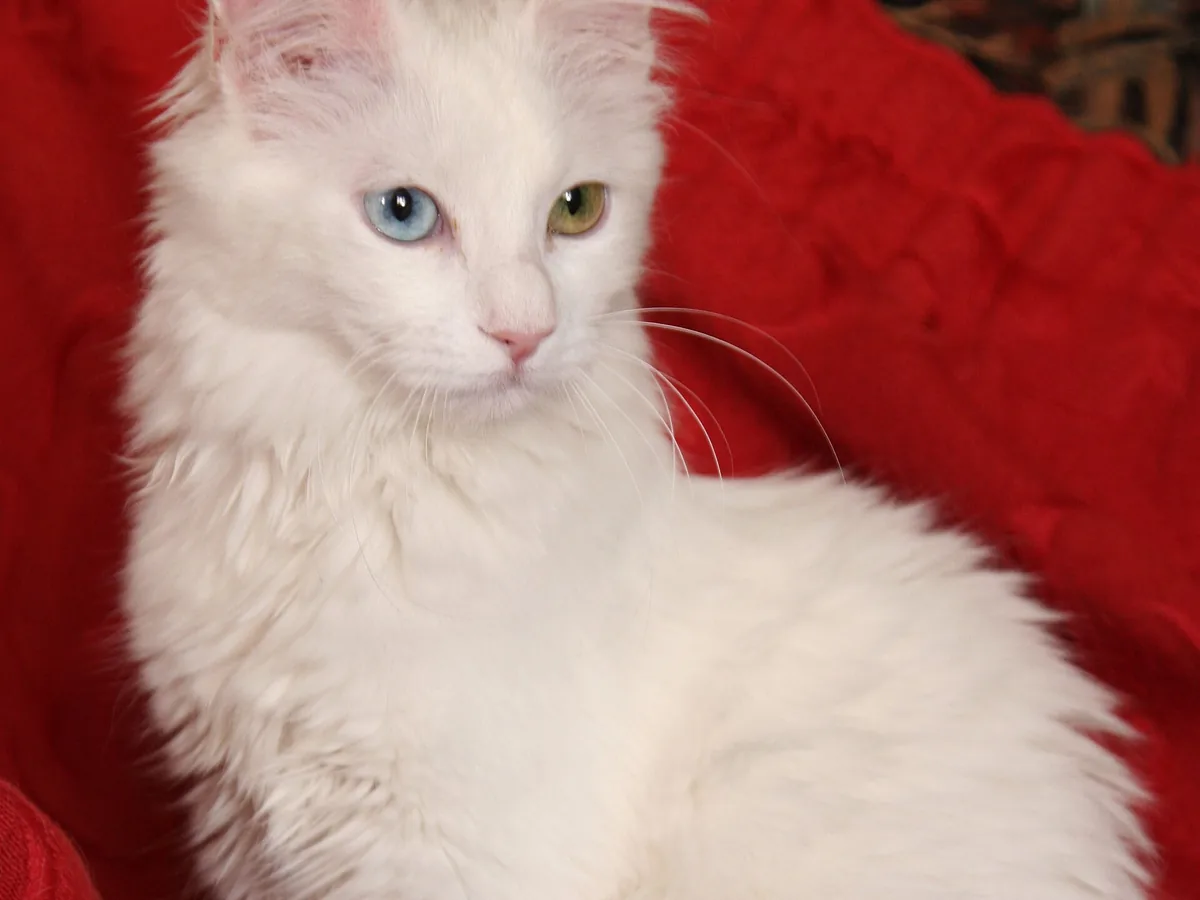
The Turkish Van is named for the Lake Van basin in eastern Turkey, a high, isolated region where a semi-longhaired cat with a cashmere-soft coat has been kept for centuries. Two cats brought to Britain in 1955 by the photographer Laura Lushington became the foundation of the Western breeding population, and the breed reached CFA championship status in 1994. Turkish breeders at Van Yüzüncü Yıl University keep a separate conservation line, and the cat they protect is usually pure white with odd eyes — not the colour-headed pattern Western fanciers prize.
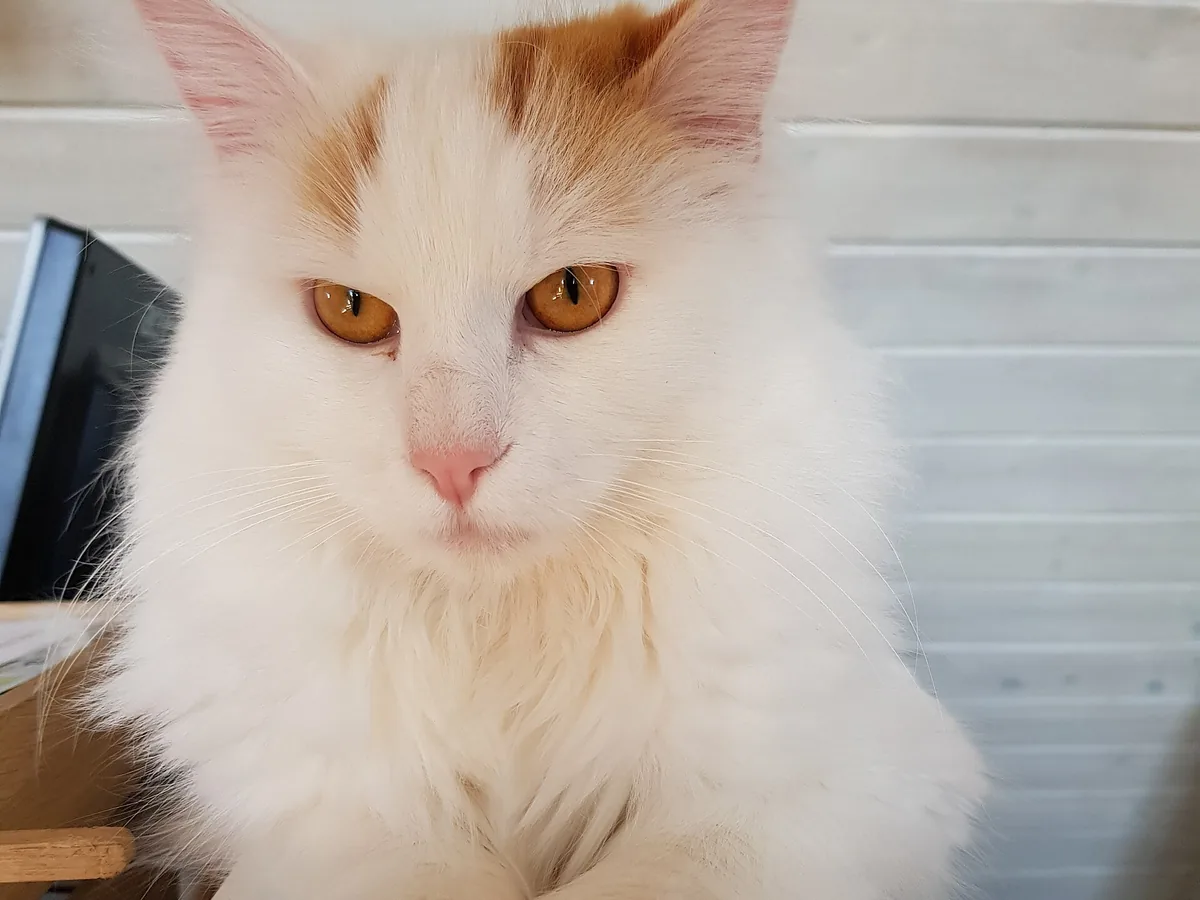
The coat is the signature: a single layer, no undercoat, water-resistant enough that these cats wade and swim in Lake Van and in garden ponds. Once a year, in late spring, they drop most of it, and a Van can look startlingly short-haired for a few weeks. The classic van pattern is white with colour confined to the head and the plumed tail. This is a big cat: males run 10–20 lb (4.5–9 kg) and stand noticeably taller and longer than an ordinary domestic.
Personality is forceful. Vans are athletic, agile and opinionated, happy to be handled on their own terms and rarely content as lap cats. They like water — bowls, taps, showers — and many learn to open doors and turn on faucets. They do best with an owner who sets rules and provides territory, and they can be bossy with other cats. They are also fiercely loyal, greeting their family at the door and following them through the house.
Care essentials
- Grooming
- Comb twice a week; no undercoat means little matting, but the summer moult needs daily brushing for two to three weeks or the house disappears under fur. Bathe rarely — the coat's water resistance comes from skin oils.
- Exercise & play
- More than most breeds: thirty minutes or more of active play daily, plus climbing and, ideally, a secure garden or catio. They will swim given a shallow pool, and they need the outlet.
- Feeding
- Feed to body condition, not to the packet — a large frame hides fat well. About 3/4 to 1 cup dry or 6–8 oz wet daily for an adult male, split into two meals. Wet food helps hydration.
- Home setup
- Space, height and water play. Locked cupboards and child-proof latches, because they open things. A paddling pool or a running tap is enrichment, not a novelty.
Health
- Hypertrophic cardiomyopathy (HCM) — the main cardiac concern; breeding cats should be echo-screened
- Congenital deafness in blue-eyed white cats — relevant because the Turkish conservation line is largely white
- Obesity — a large frame plus a persuasive appetite; measure portions and weigh monthly
Vans are hardy cats with few breed-specific problems, but the breed is small and closed, so ask breeders about cardiac screening and about inbreeding coefficients. The annual moult is normal, not a sign of illness.
Health information here is general and not a substitute for veterinary advice. If your cat shows symptoms, contact a vet.
Frequently asked
Do Turkish Vans really swim?
Yes. The single, oil-rich coat with no undercoat resists water, and Vans around Lake Van are known for wading and swimming. Pet Vans often play in water bowls and showers, but never force a cat into water.
How big do Turkish Vans get?
Males reach 10–20 lb (4.5–9 kg) and are tall and long-bodied; females 7–12 lb. They mature slowly and keep filling out until about three or four years old.
Why is my Turkish Van shedding so much in summer?
It is a once-a-year moult. The coat comes out in handfuls over two or three weeks in late spring, and the cat can look almost shorthaired. Brush daily during that window and vacuum more often.
Can a Turkish Van live in an apartment?
Only a large, well-enriched one. They are high-energy climbers needing thirty minutes or more of active play daily plus vertical space; without it they become destructive. A catio or secure balcony makes a real difference.