Chinese Domestic Cat
中华田园猫 · Shorthair (& semi-longhair) · landrace, not a registered breed (China) · China
The Chinese Domestic Cat is not a breed and has no standard, no registry and no closed stud book.
Quick facts
- Weight
- 7–12 lb (3–5.5 kg); males of the larger tabby type reach 6 kg
- Length
- Body 17–20 in (43–51 cm), tail 10–12 in (25–30 cm)
- Lifespan
- 12–18 years, longer for indoor cats
- Typical price
- Mostly adopted: $50–150 US shelter fee; pedigree-bred Li Hua $300–800
Temperament & lifestyle
About the breed
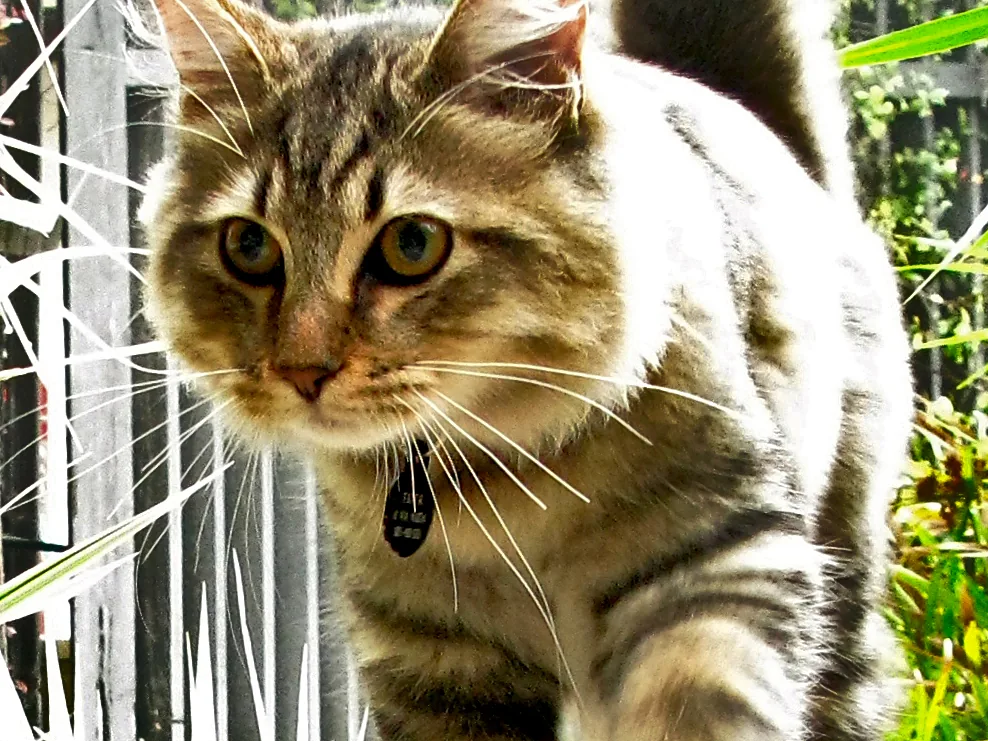
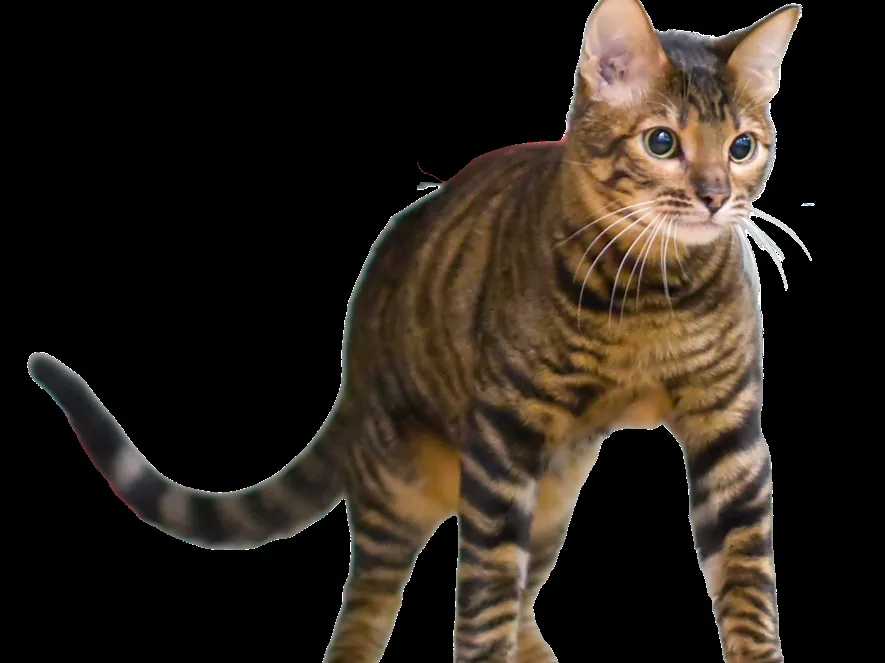
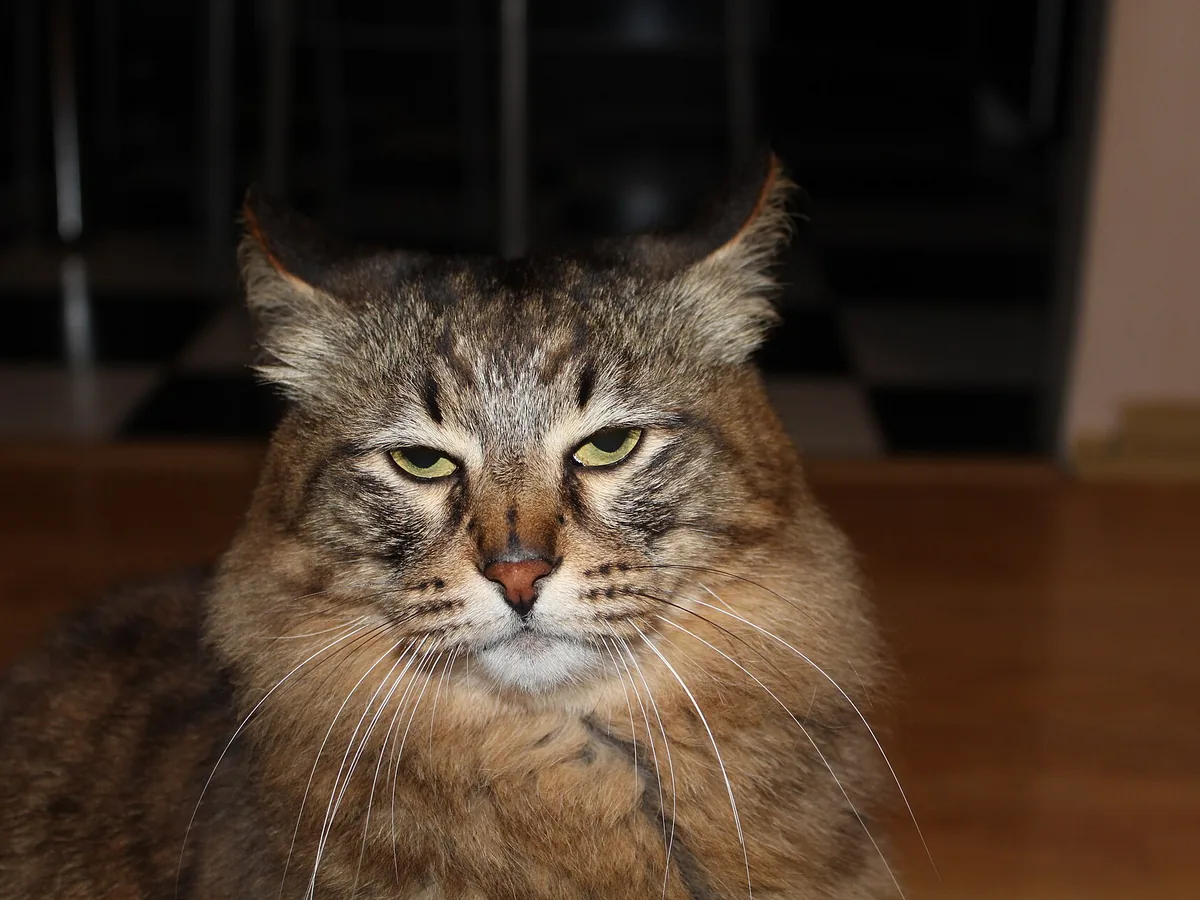
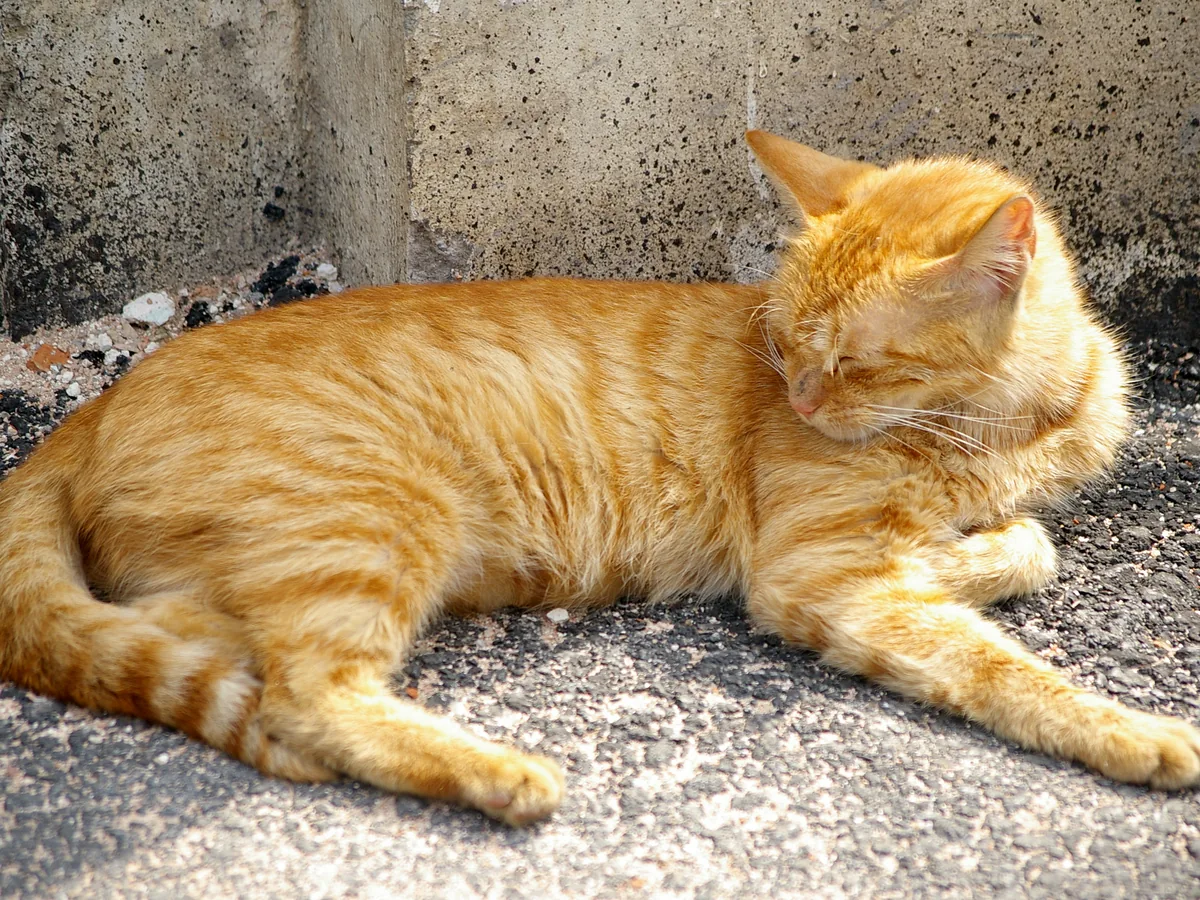
The Chinese Domestic Cat is not a breed and has no standard, no registry and no closed stud book. It is the umbrella term for the native short-haired cats of China — the cats called 土猫 ("earth cats") in everyday speech — and it covers several distinct coat types rather than one blueprint. The brown mackerel tabby is the 狸花猫, the classic farm-and-courtyard cat; the orange tabby is the 橘猫; the black-and-white bicolour is the 奶牛猫; the calico is the 三花猫, almost always female because the orange gene sits on the X chromosome; tortoiseshell, black, white and the semi-longhaired Shandong lion cat round out the group. A breeding programme for the 狸花 under the name Dragon Li reached CFA's miscellaneous class in 2010, but no wide stud book followed.
These are working cats, and it shows: strong jaws, dense short coats, broad genetic diversity and few of the single-gene problems that closed breeds accumulate. Most are 3–5 kg, hardy, and adapt to flats or courtyards. The welfare issue is body condition — the orange cats in particular are famously food-driven, and neutered indoor cats slide into obesity.
Adoption is the norm; there is no meaningful market price, and no reason to pay one.
Care essentials
- Grooming
- A rubber brush once a week is enough for the short coat, twice in spring and autumn. The semi-longhaired lion cat needs a comb three times a week and help with the trousers and ruff.
- Exercise & play
- High drive, low boredom threshold: two play sessions a day, a cat tree, and something to chase. Indoor life without a hunting outlet turns into ambushing ankles at night.
- Feeding
- The main health lever. 50–65 g of dry food or 4–5 oz wet daily for a 4 kg cat, measured, with the bowl lifted between meals. Orange cats in particular will eat through a day's ration in ten minutes.
- Home setup
- Window screens are not optional — falls from height are a real and common injury in Chinese cities. Give it a high perch, a scratching post, and a covered place to retreat to.
Health
- Feline panleukopenia and herpesvirus/calicivirus — the big killers of unvaccinated kittens, and the reason a rescue kitten needs its shots on schedule
- Feline lower urinary tract disease (FLUTD) — crystals and cystitis in neutered indoor cats that drink too little
- Obesity — especially the orange tabby type; a fat cat at four becomes a diabetic cat at nine
- Periodontal disease — tartar and gingivitis are near-universal by age five without brushing
- FIV, FeLV and parasites — in cats taken from the street; test and deworm before mixing with resident cats
Because the population is genetically broad, there is no breed panel to run — the useful screening is routine: vaccination, FeLV/FIV test for strays, faecal exam and deworming, and a dental check yearly from age three. After six, add bloodwork and blood pressure, and ask for a heart murmur check at every visit; HCM occurs in domestic cats too, and a murmur is the cheapest early warning available.
Health information here is general and not a substitute for veterinary advice. If your cat shows symptoms, contact a vet.
Frequently asked
Is the Chinese Domestic Cat a real breed?
No. It is a landrace — the native, largely unpedigreed short-haired cat of China — and its name covers many coat types including tabby, orange, bicolour, calico and tortoiseshell. The 狸花 (Li Hua) has been promoted as a breed, and reached CFA's miscellaneous class in 2010 as the Dragon Li, but there is no closed stud book behind the everyday cat.
Why are almost all calico cats female?
The orange gene sits on the X chromosome. A cat needs one orange and one non-orange X to show both patches, which requires two X chromosomes, so calicos are female; the rare male calico usually carries an extra X and is often sterile.
Are these cats healthier than pedigree breeds?
Generally yes on inherited disease, because the gene pool is large and there has been no inbreeding for type. That advantage disappears with poor care: unvaccinated kittens die of panleukopenia, and free-fed indoor cats develop obesity, diabetes and urinary disease. Preventive medicine matters more than breed.