Brazilian Shorthair
巴西短毛猫 · Shorthair · natural breed (Brazil) · Brazil
The Brazilian Shorthair is the country's street cat given a pedigree.
Quick facts
- Weight
- 8–15 lb (3.5–7 kg)
- Length
- Body 15–19 in (38–48 cm), tail 11–13 in
- Lifespan
- 14–20 years
- Typical price
- $400–$1,200; mostly sold in Brazil and Germany
Temperament & lifestyle
About the breed
The Brazilian Shorthair is the country's street cat given a pedigree. Cats arrived with Portuguese ships in the 1500s and spread through Brazilian cities, parks and ports, breeding freely for four centuries; by the 1980s they had converged on a recognisable type. Engineer and breeder Paulo Samuel Ruschi spent years measuring and photographing those cats, wrote a standard around what he found, and in 1998 the WCF approved the Pelo Curto Brasileiro — the first Brazilian breed recognised internationally. It is not a CFA or TICA breed, and outside Brazil and Germany it remains uncommon.
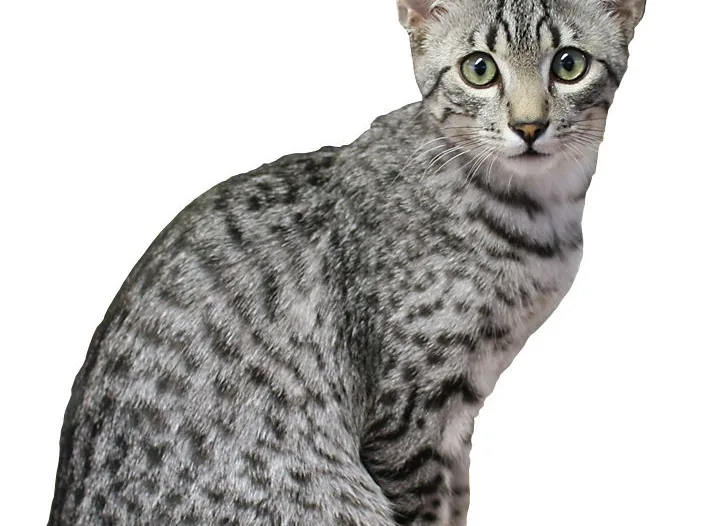
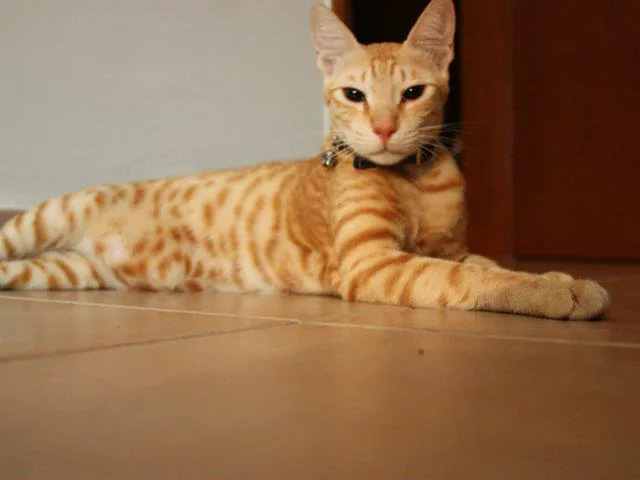
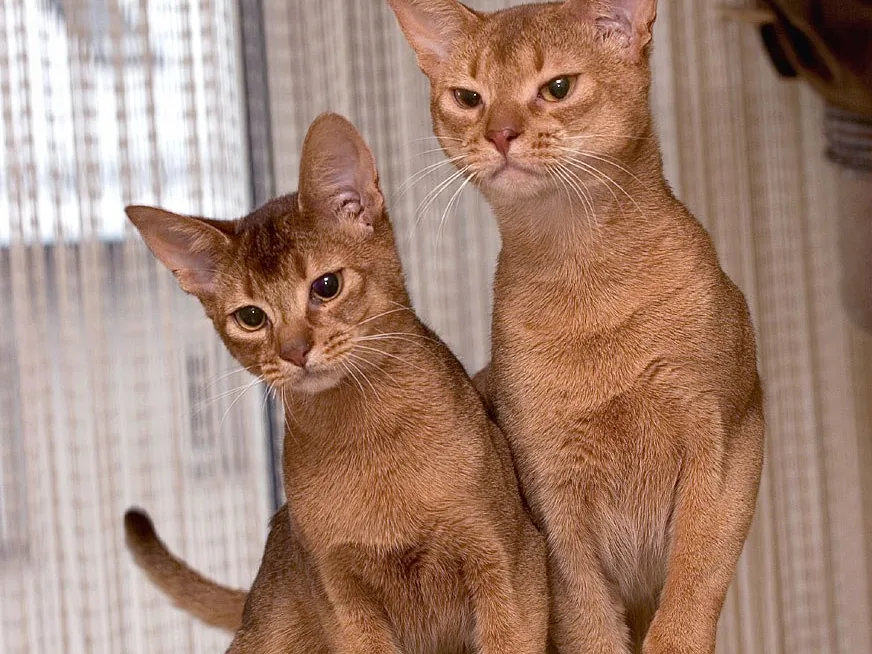
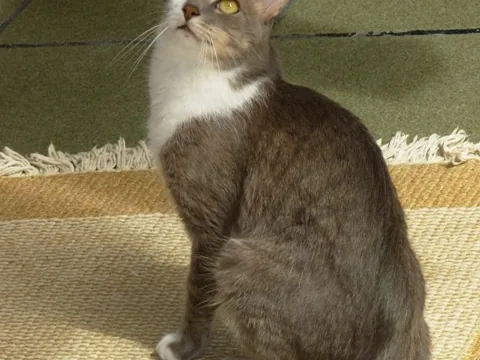
The cat itself is medium-sized, agile and longer than it is tall, with a slightly curved profile, large pointed ears, big expressive eyes and a very short, silky, glossy coat with no undercoat. Almost every colour and pattern occurs. Adults run 3.5–7 kg, with males carrying noticeably broader heads.
Temperament is friendly and active without being demanding: they play as kittens and stay playful as adults, ask for attention directly, and adapt to flats or houses with a garden. They are sociable with visitors and other pets, fairly vocal, and good at entertaining themselves — which makes them a reasonable first pedigree cat.
Care essentials
- Grooming
- Minimal: a weekly rub with a rubber brush. The coat is single and silky with no undercoat, so it dries fast, sheds lightly and never mats; no bathing unless the cat is genuinely dirty.
- Exercise & play
- Active and agile, with good self-exercise — but daily play still matters. Twenty minutes of chase-and-pounce plus a cat tree near a window covers most of it.
- Feeding
- No breed-specific needs; the risk is portion creep in a cat that asks convincingly. Measure meals, use puzzle feeders, and check body condition monthly.
- Home setup
- Adaptable: flats or houses, indoor or supervised outdoor access. They want company and a window, cope well with heat, and are more tolerant of a busy household than most.
Health
- Obesity — the main risk for an adaptable, food-interested indoor cat
- Dental disease and gingivitis — tartar accumulates from middle age
- Hypertrophic cardiomyopathy — reported but uncommon; auscultate at annual checks
- Feline lower urinary tract disease — stress and dry-only diets contribute
The breed came from a large free-breeding street population, so its gene pool is broad and few inherited diseases are documented. Screening is general rather than breed-specific: FeLV/FIV testing for any cat with a rescue background, annual dental checks, and bloodwork plus urinalysis from age seven.
Health information here is general and not a substitute for veterinary advice. If your cat shows symptoms, contact a vet.
Frequently asked
Is the Brazilian Shorthair just a street cat?
It descends from them, but it is not the same thing. The breed was standardised from street and park cats that had converged on a consistent type over centuries, and registered cats now have pedigrees going back many generations.
Do they need much grooming?
Very little. The coat is short, silky and single, with no undercoat to mat; a weekly rub with a rubber brush keeps it glossy and reduces loose hair on furniture.
Are they recognised internationally?
By the WCF, which approved the breed in 1998, and by several Latin American registries. They are not recognised by the CFA or TICA, which is why they are rarely seen at major international shows outside Brazil.