Arabian Mau
阿拉伯沙猫 · Shorthair · natural breed (Arabian Peninsula) · Arabian Peninsula
The Arabian Mau was not designed; it was formalised.
Quick facts
- Weight
- 8–15 lb (3.5–7 kg); males clearly larger
- Length
- Body 16–20 in (41–51 cm), tail 12–14 in
- Lifespan
- 12–15 years
- Typical price
- $500–$1,500 where available; rarely sold outside the Gulf and Europe
Temperament & lifestyle
About the breed
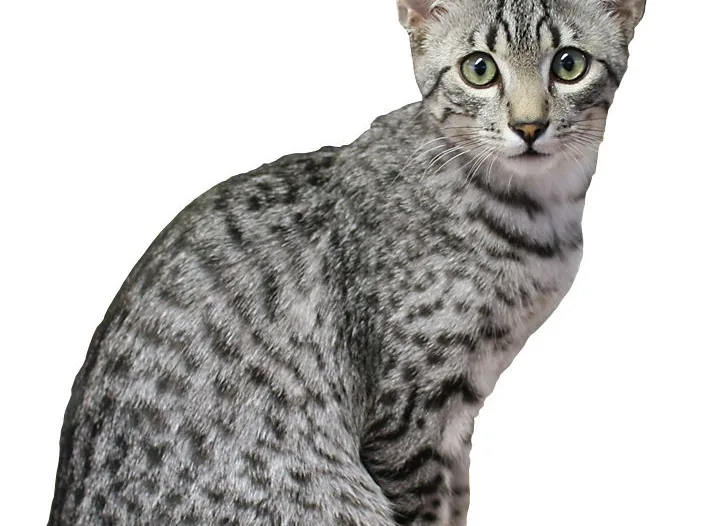
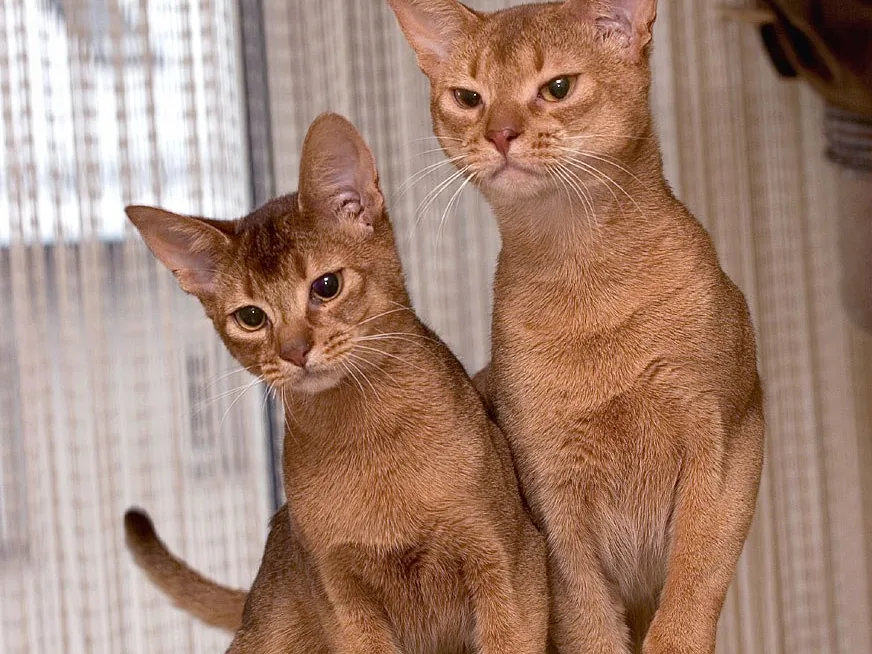
The Arabian Mau was not designed; it was formalised. Short-haired cats have lived on the Arabian Peninsula for more than a thousand years — in Saudi Arabia, Kuwait, Qatar, Oman, Bahrain and the UAE — and the desert shaped them: long legs, a lean but solid body, large high-set ears, and a single short coat with no undercoat, which sheds little and copes with a 45 °C afternoon. The WCF recognised the landrace in 2008 after a UAE-based study of the local population, and TICA lists it too. This is a natural breed in the strict sense, with no pedigree outcrosses behind it.
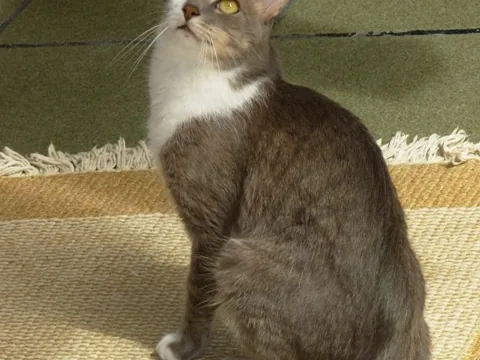
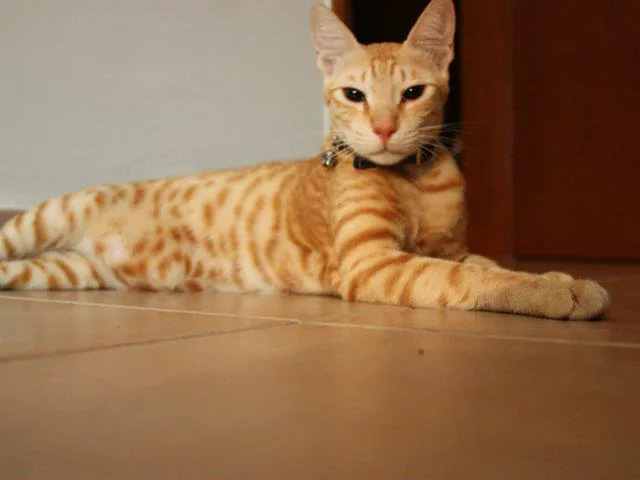
Typical adults are 3.5–7 kg, males noticeably larger than females. Most are brown or black mackerel tabbies, often with white; the eyes are usually green and slightly slanting, and the profile is gently concave. The paws are oval and the tail tapers to a point.
Behaviour still reads as a working cat: curious, athletic, and quick to hunt anything that moves. They are affectionate with their own household but reserved with strangers, talkative when they want something, and they dislike being carried. Give them height, a window and a puzzle feeder. They also feel the cold badly and will find the warmest radiator in the house.
Care essentials
- Grooming
- Very little: no undercoat, so a weekly rub with a rubber brush or a damp hand removes loose hair and spreads the coat oils. Bathe rarely — only when genuinely dirty.
- Exercise & play
- High. Daily hunting-style play, tall climbing surfaces and food puzzles; a bored Arabian Mau will dismantle shelves and investigate every closed door.
- Feeding
- A lean metabolism outdoors, but indoor life adds weight quickly. Measured meals twice a day plus puzzle feeding, and fresh water always — desert ancestry does not mean a low thirst drive.
- Home setup
- Warm, draught-free sleeping spots matter because they chill easily. They want height, open sightlines and a window; they do not want to be carried, wrapped or restrained.
Health
- Dental disease and gingivitis — tartar builds quickly; brushing or yearly dental checks from age two
- Obesity in indoor cats — stays lean outdoors and gains fast on free feeding
- Hypertrophic cardiomyopathy — reported sporadically; auscultation, and echo for breeding cats
- Cold sensitivity — no undercoat, so chilled cats pick up respiratory infections in winter
As a landrace with a wide gene pool the Arabian Mau has few documented inherited diseases, and much of what is written about its health is anecdote. Practical screening: a baseline exam with heart auscultation, a dental check each year, and keeping the cat indoors in cold weather.
Health information here is general and not a substitute for veterinary advice. If your cat shows symptoms, contact a vet.
Frequently asked
Is the Arabian Mau the same as an Egyptian Mau?
No. The Egyptian Mau is a pedigreed spotted breed with its own documented history and standard; the Arabian Mau is a landrace from the Arabian Peninsula, usually a mackerel tabby, recognised separately by the WCF and TICA. The shared word mau simply means cat in Arabic.
Do Arabian Maus need much grooming?
Almost none. The single coat has no undercoat, sheds little, and the cat grooms itself thoroughly; a weekly rub with a rubber brush or damp hand is enough, and frequent baths only dry the skin.
Are they good apartment cats?
Yes, if the apartment has vertical space. They are active and need daily hunting play plus shelves to climb, but they are quiet enough for flats and settle into indoor life as long as they are not bored.