Bengal
孟加拉豹猫 · Shorthair, spotted/rosetted (hybrid origin) · United States (1960s–1980s)
The Bengal was created to look like a small leopard and behave like a busy one.
Quick facts
- Weight
- 3.6–7.0 kg (8–15 lb)
- Length
- Body 45–55 cm (18–22 in), tail 30–38 cm
- Lifespan
- 12–16 years
- Typical price
- $1,500–$5,000
Temperament & lifestyle
About the breed
The Bengal was created to look like a small leopard and behave like a busy one. Beginning in the 1960s, American breeders crossed domestic cats with the Asian leopard cat (Prionailurus bengalensis), and after years of fertility and temperament problems the breed was recognised in the 1980s. Every Bengal descends from those hybrids. Most pedigrees are now several generations removed from the wild ancestor, which is why good breeders select for temperament rather than for wild looks.
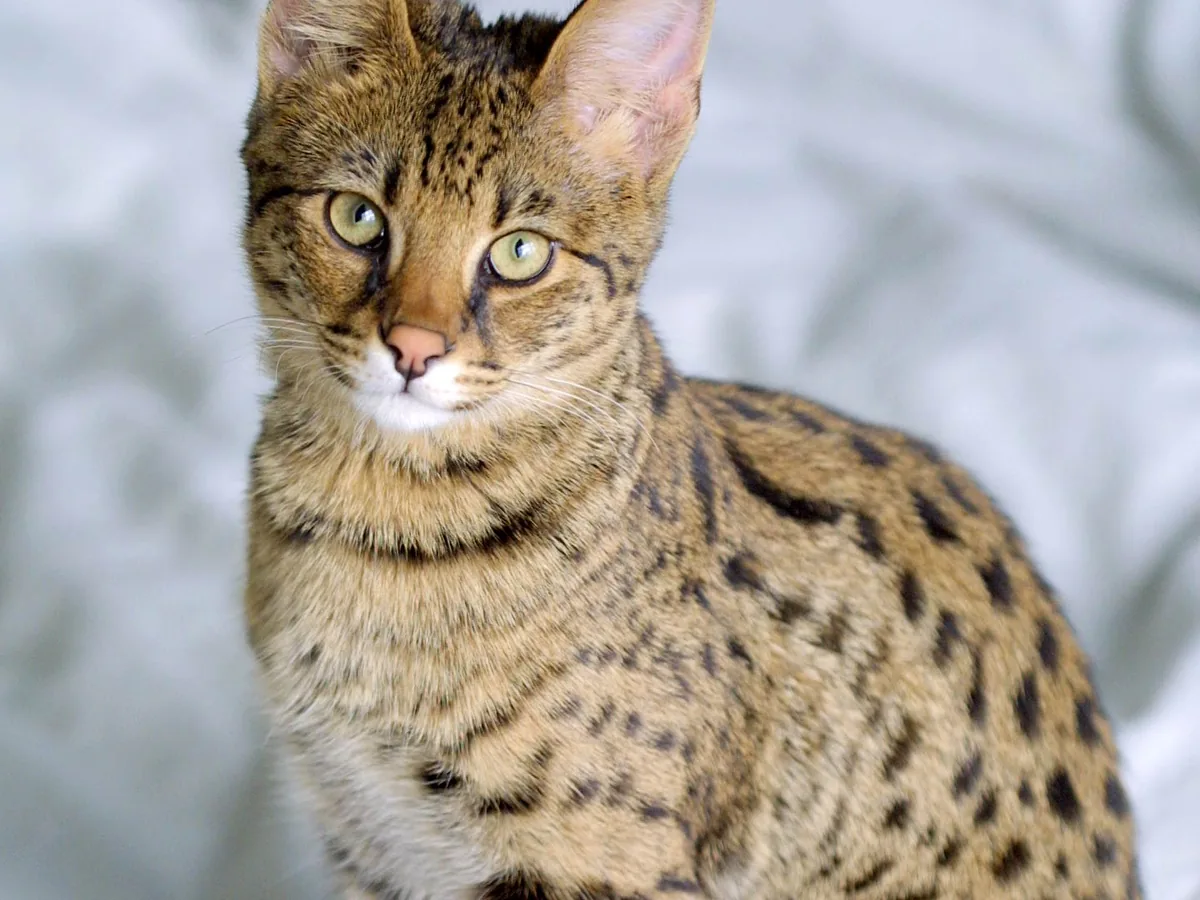
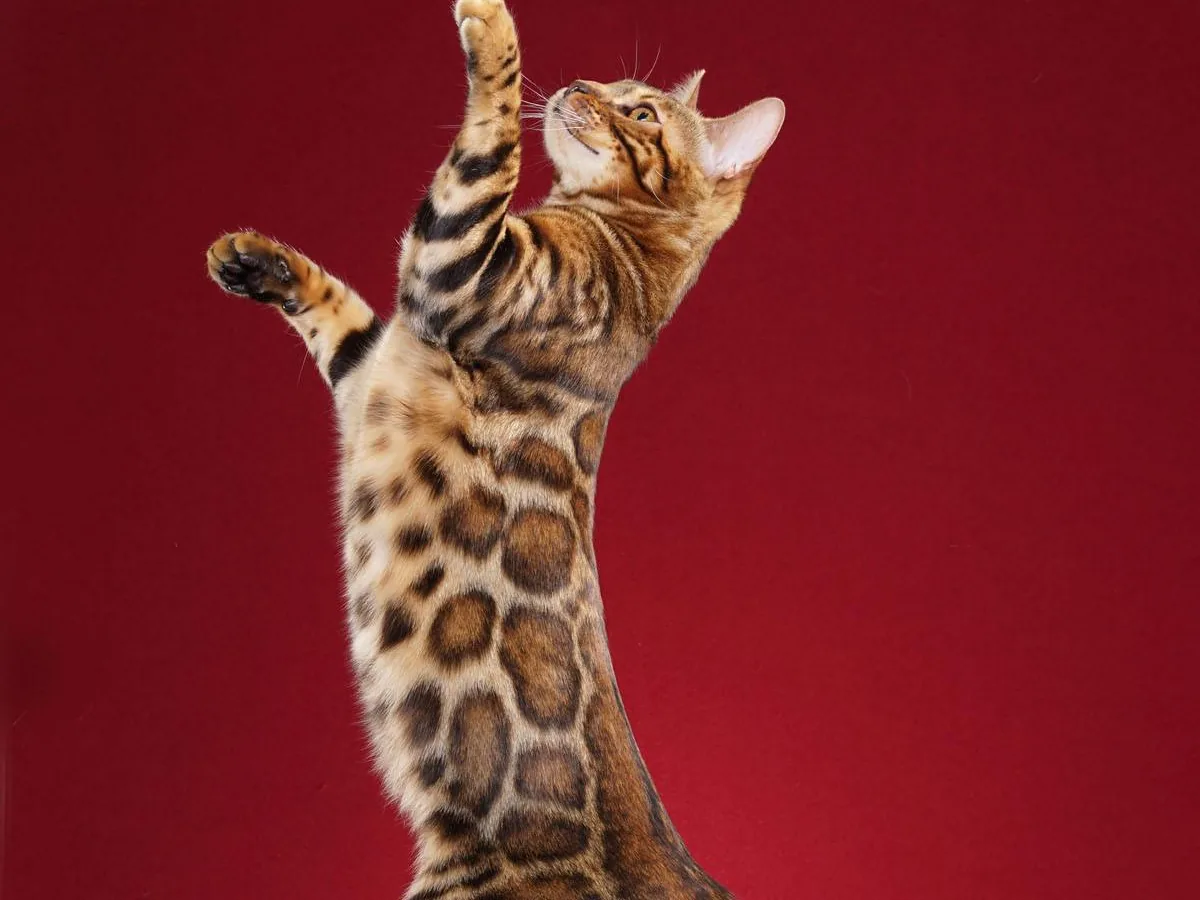
The coat is the signature: rosettes — two-tone spots with a darker rim and a lighter centre — rather than plain dots, on a background of brown, silver, snow or charcoal. Some lines also carry the glitter gene, a fine golden shimmer over the coat. The fur is short, dense and unusually low-shedding, closer to pelt than to ordinary cat hair, and most Bengals dislike being wet only in theory: many play in water, follow you into the shower and drink from taps.
Ownership is closer to living with a small athletic dog. Bengals climb, open cupboards, switch on taps and need vertical space plus daily interactive play; a bored Bengal will redecorate. They fetch, they learn tricks, and some are loud. They are affectionate but rarely lap cats, and they hate being held against their will. They are also surrendered for behaviour more often than most breeds, so the honest question is not whether you like the look but whether you will build the environment.
Care essentials
- Grooming
- A weekly rub with a rubber curry or chamois is enough; the coat has little undercoat and self-grooms well. Bathe rarely. Check ears and teeth weekly; some Bengals get greasy tails and need a degreasing wipe.
- Exercise & play
- Thirty to forty-five minutes of active play daily, plus climbing shelves, a tall tree and ideally a cat wheel. Puzzle feeders and clicker training burn mental energy. Without this, expect night yowling and counter surfing.
- Feeding
- High-protein food, measured meals; Bengals stay lean and should not be free-fed. Some have sensitive digestion and do better on a single protein. Fresh water, ideally a fountain, since many play with bowls.
- Home setup
- Secure windows and balconies — Bengals are escape artists and good jumpers. Provide vertical territory, boxes to destroy, and a room they can be closed into at night. A companion cat helps, but only if both are equally active.
Health
- Hypertrophic cardiomyopathy (HCM) — screen breeding cats with echo
- Bengal progressive retinal atrophy (PRA-b), DNA-testable
- Patellar luxation and hip issues in some lines
- Chronic diarrhoea and inflammatory bowel disease; sensitive digestion is common
- Feline infectious peritonitis (FIP) susceptibility noted in the breed
Ask for HCM echocardiogram results on both parents and the PRA-b DNA test. Early-generation cats (F1–F3) are restricted or banned in some countries and usually need special permits; pets should be SBT (stud book tradition), at least four generations from the leopard cat.
Health information here is general and not a substitute for veterinary advice. If your cat shows symptoms, contact a vet.
Frequently asked
Are Bengal cats good for beginners?
Usually not. The breed is friendly but relentless: without daily play and climbing space it becomes destructive, and first-time owners often underestimate that. Experienced owners with time to spare do well.
Do Bengal cats really like water?
Many do. Plenty of Bengals play with running taps, join showers and dunk toys in the water bowl. It varies by individual, and none should be left unsupervised near an open pool.
How much exercise does a Bengal need?
Plan on 30–45 minutes of active, hands-on play a day, plus climbing furniture and puzzle feeders. A cat wheel is genuinely useful for this breed, not a gimmick.
Are Bengal cats hypoallergenic?
No cat is truly hypoallergenic. Bengals shed less than most shorthairs, which can reduce the allergen load in a home, but the main allergen (Fel d 1) is in saliva and skin, so reactions are still possible.