Australian Mist
澳洲雾猫 · Shorthair · Burmese–Abyssinian cross (Australia) · Australia
Dr Truda Straede began the Australian Mist in New South Wales in the mid-1970s, aiming for a cat that could live indoors without wrecking the house and without the fragility of the extreme breeds.
Quick facts
- Weight
- 7–15 lb (3–7 kg)
- Length
- Body 15–18 in (38–46 cm), tail 10–12 in
- Lifespan
- 12–16 years
- Typical price
- $700–$1,500; in Australia A$600–1,200 from registered breeders
Temperament & lifestyle
About the breed
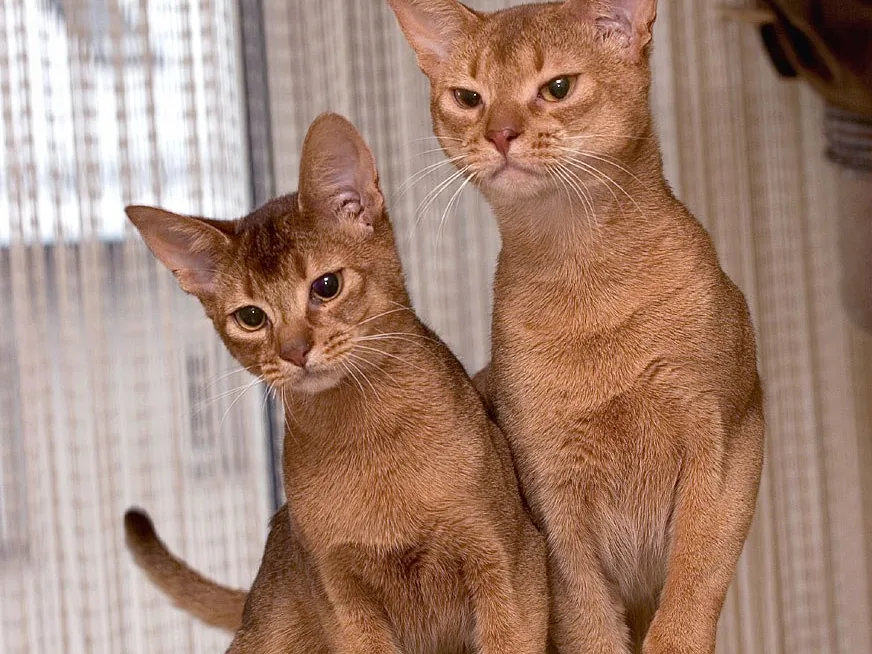
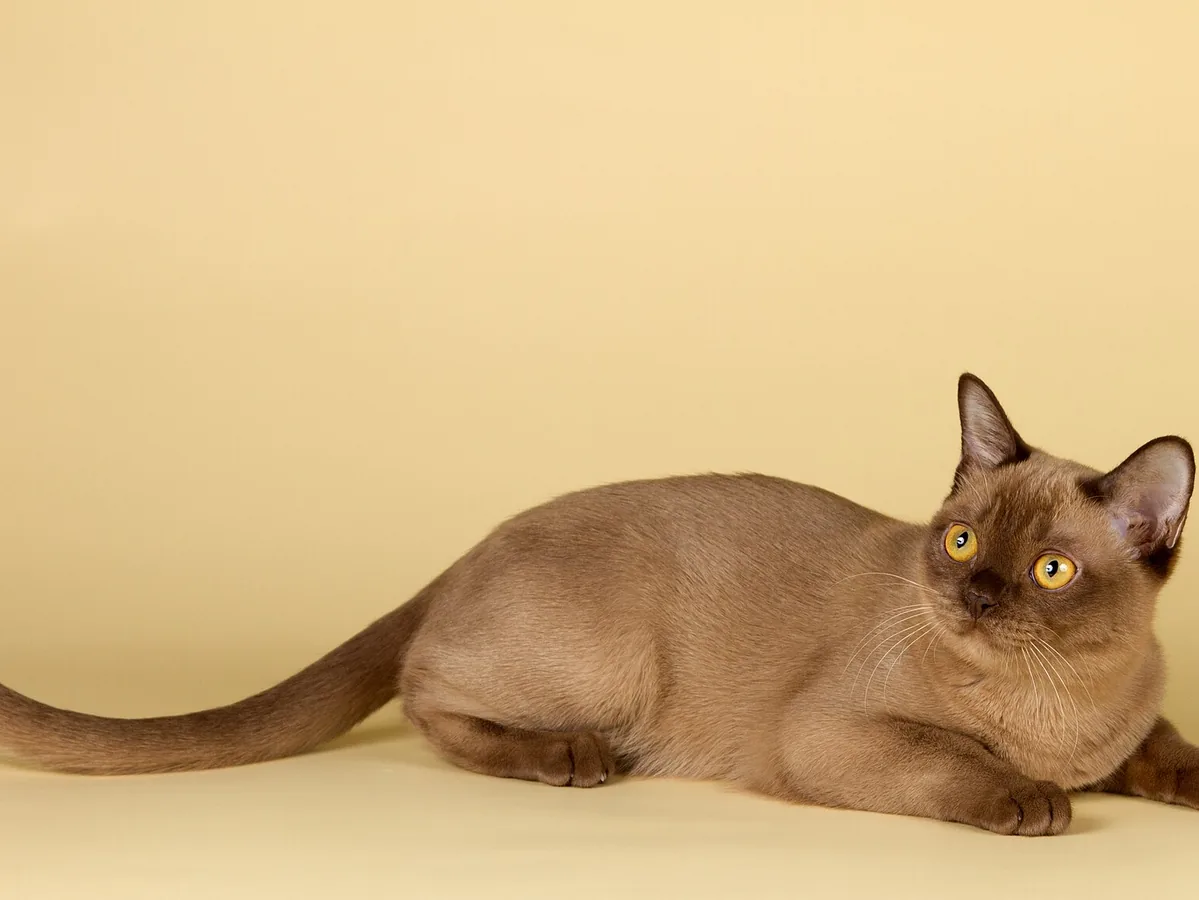
Dr Truda Straede began the Australian Mist in New South Wales in the mid-1970s, aiming for a cat that could live indoors without wrecking the house and without the fragility of the extreme breeds. She crossed Burmese, Abyssinian and domestic spotted tabbies — roughly thirty foundation cats — and called the result the Spotted Mist. When a marbled, blotched pattern was accepted in the 1990s the old name no longer fitted, and in 1998 the registries renamed the breed Australian Mist.
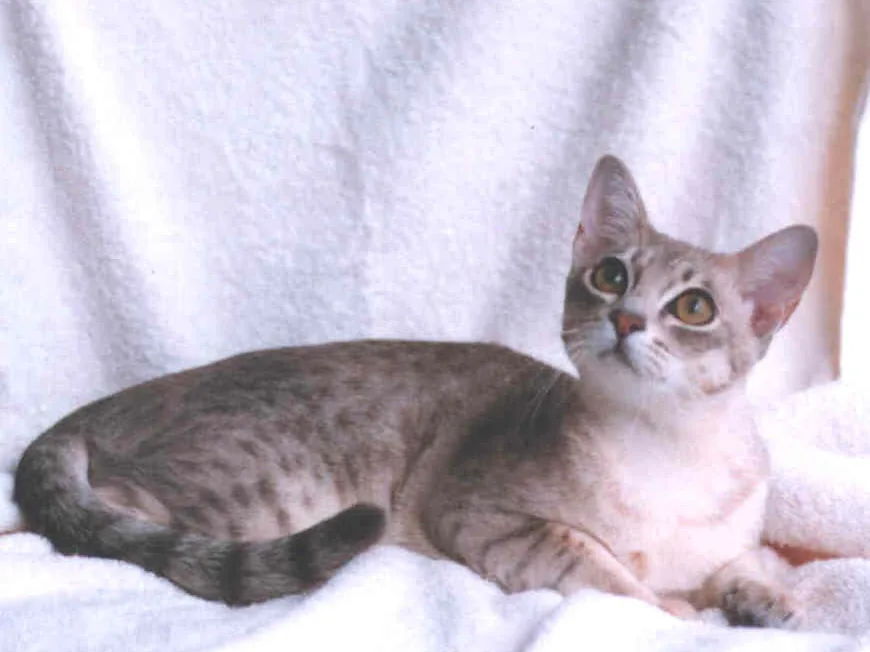
The coat is the point: short, dense and washed out, so the spots read as soft flecks rather than hard rosettes, which is where the "mist" comes from. Only eumelanistic colours are allowed — brown, blue, chocolate, lilac, caramel and their variations, never orange — and every cat carries the tabby M on the forehead and a ringed tail. Eyes are green, from chartreuse to aquamarine. Adults run 3–7 kg.
Temperament is the breed's selling point: tolerant, unflappable, content to be picked up and carried, sociable without being demanding. They are moderate rather than frantic, get on with children and cat-friendly dogs, and are usually sold as indoor-only cats because they have very little road sense.
Care essentials
- Grooming
- Once a week with a rubber brush or curry comb. The dense short coat sheds moderately and looks after itself between brushes; there is no undercoat to mat behind the legs.
- Exercise & play
- Moderate. Two short play sessions a day and some climbing furniture are enough; this is not a high-drive breed and will happily supervise instead of chase.
- Feeding
- Easy keepers, and the main risk is overfeeding a relaxed indoor cat. Measure meals, keep treats under a tenth of intake, and weigh monthly — the dense coat hides a kilo easily.
- Home setup
- Indoor-only is the norm, and the breed is calmer for it. They want a warm sleeping spot, a lap in the evening and a cat tree near a window; they tolerate children better than most breeds.
Health
- Chronic kidney disease — the most commonly reported cause of death in Australian breed data; annual bloodwork from age seven
- Lower urinary tract disease — watch for straining, frequent small visits to the litter tray
- Gingivitis and dental disease — common in the Burmese family; yearly checks
- Obesity — a relaxed indoor cat with a good appetite
The breed was founded on roughly thirty cats, so the gene pool is narrow and breeders should be open about pedigrees and any repeated problems. Screening is straightforward: urine and blood panels yearly after seven, a dental check annually, and keep the cat lean.
Health information here is general and not a substitute for veterinary advice. If your cat shows symptoms, contact a vet.
Frequently asked
Why is it called a Mist?
Because the coat is washed out. The spots are soft and low-contrast rather than sharply defined, which gives the impression of a pattern seen through haze. The original name, Spotted Mist, described the same effect before the marbled variety existed.
Can an Australian Mist live outdoors?
Breeders generally say no. The breed was developed as an indoor cat, is unusually trusting, and has poor road sense; supervised time in a garden run or on a harness is the usual compromise.
Are they good with dogs and children?
Better than most breeds. They were selected for tolerance, and adults typically ignore a friendly dog rather than flee. Children still need to be taught not to keep holding a cat that has stopped enjoying it.