Siberian
西伯利亚森林猫 · Northern forest / natural landrace · Russia (Siberia)
The Siberian is Russia's forest cat, and Russians have kept it as a working barn and yard cat for centuries - which is why its coat is built like a parka and its immune system is generally robust.
Quick facts
- Weight
- Males 4.5-9 kg, females 3.5-6 kg
- Length
- Body 45-60 cm; tail heavily plumed
- Lifespan
- 12-18 years
- Typical price
- US$1,000-3,000; low-allergen lines cost more
Temperament & lifestyle
About the breed
The Siberian is Russia's forest cat, and Russians have kept it as a working barn and yard cat for centuries - which is why its coat is built like a parka and its immune system is generally robust. Russian folklore is full of it, but organised breeding only began in the 1980s, when Soviet catteries collected cats from Siberian cities and turned them into a show breed. It reached the West in the early 1990s and gained CFA championship status in 2006.
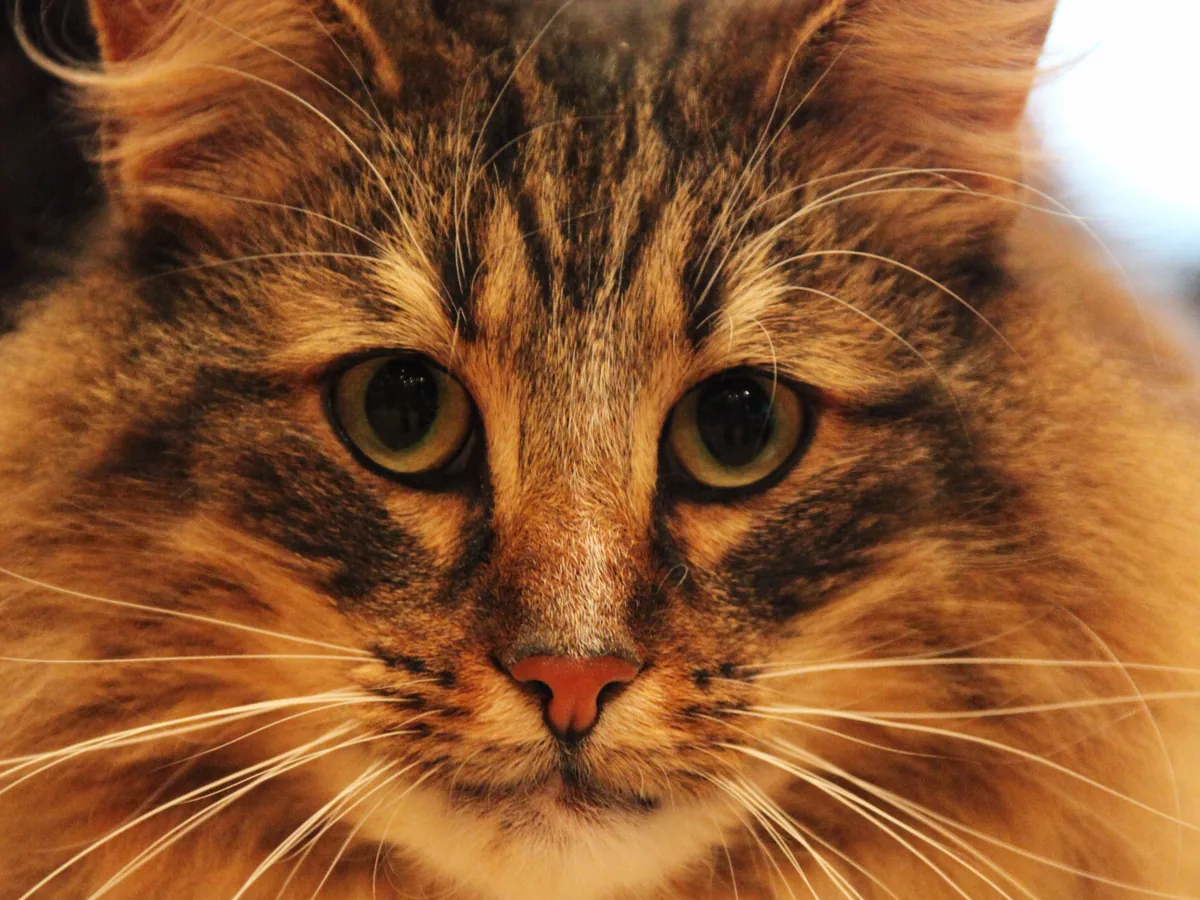
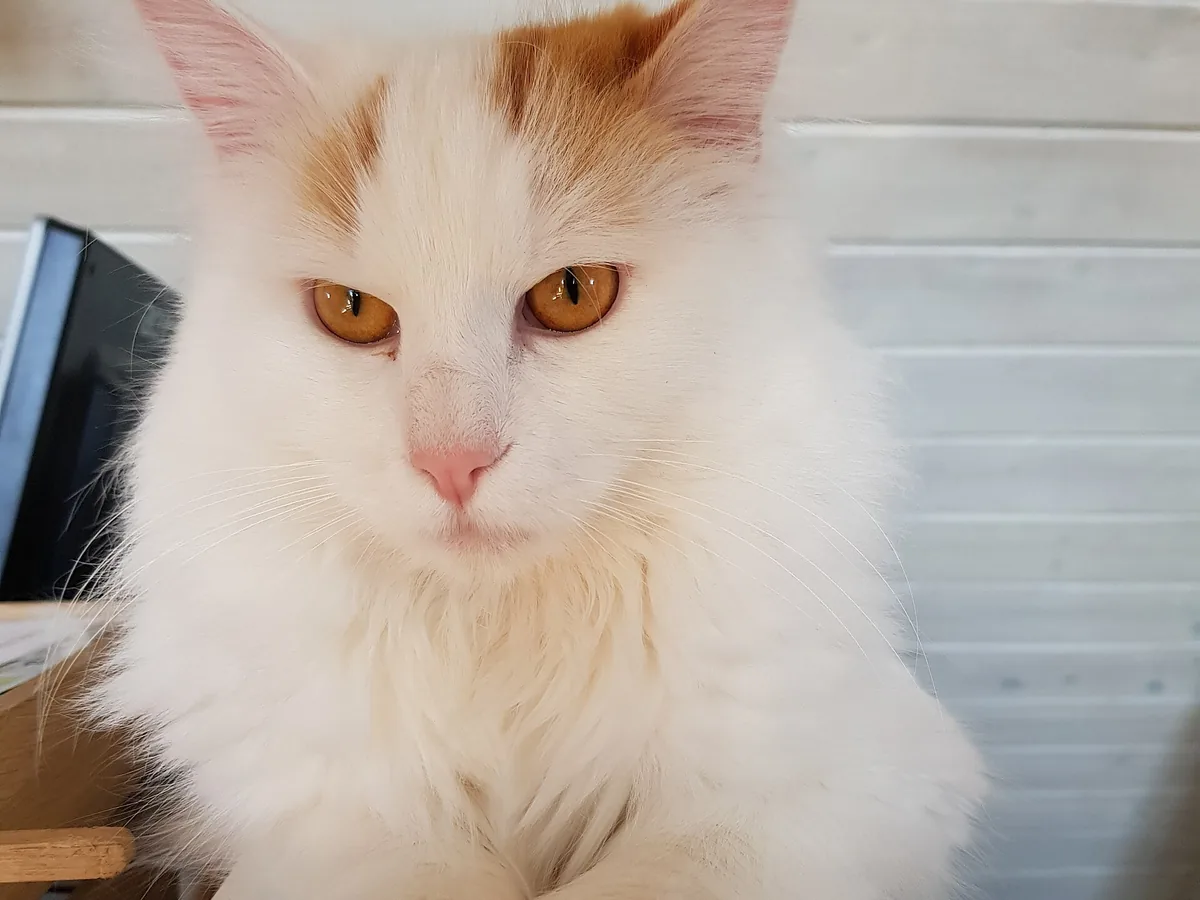
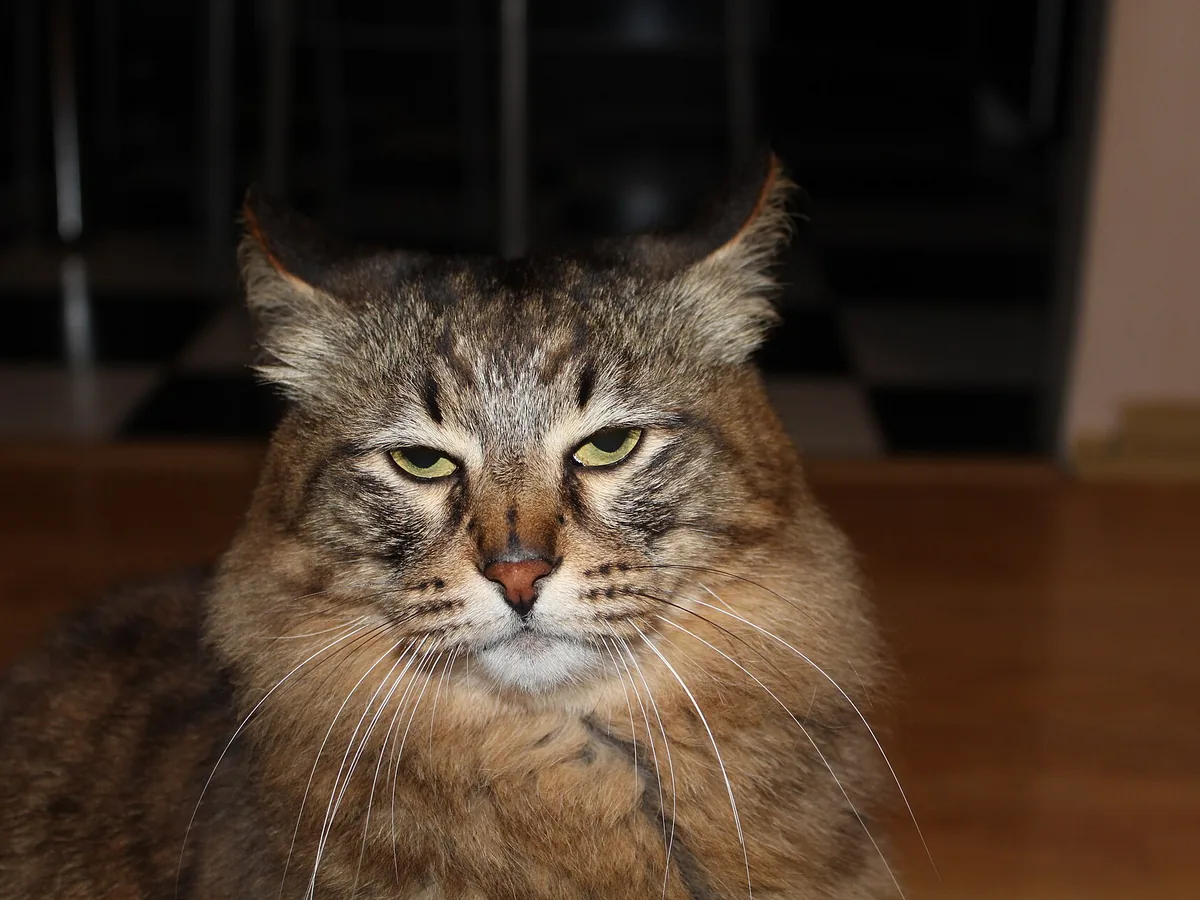
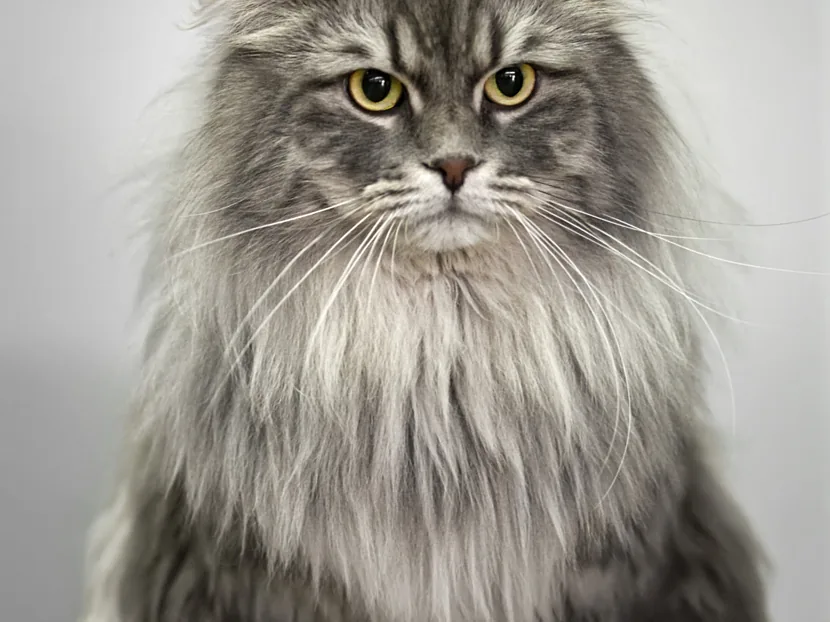
The coat is the breed's signature: a triple layer of guard hair, awn hair and a thick undercoat, with a full ruff around the neck, a pronounced belly mane and a tail like a feather duster. It is water-resistant and slightly greasy to the touch, which keeps a cat dry in snow. Underneath sits a heavy, barrel-chested cat with a modified wedge head, large round eyes and big rounded paws. Males weigh 4.5-9 kg, females 3.5-6 kg, and they mature at three to five years.
Temperament is why people become repeat owners. Siberians are unusually people-focused for a large breed: they follow you room to room, meet guests at the door, tolerate handling and often learn to walk on a harness. They are also genuinely vocal, with a range of trills and chirps rather than a Siamese yowl. The claim that Siberians are hypoallergenic is overstated - some lines do produce measurably less Fel d 1, but no cat is allergen-free, and the protein is mainly in saliva and skin, not fur.
Care essentials
- Grooming
- The triple coat needs real work: comb three times a week with a steel comb and a slicker, paying attention to the ruff, armpits, britches and tail base. In spring and autumn the undercoat sheds heavily and daily grooming for two weeks prevents matting. Bathe two or three times a year at most - the coat's oils are functional and over-bathing strips them. Never shave; the undercoat grows back patchy and the skin loses its protection.
- Exercise & play
- Moderately active and strongly motivated by company rather than toys alone. Two daily wand sessions, a tall cat tree and food puzzles suit it. Because it is heavy, keep jumping surfaces stable. Harness training works well and gives an indoor cat real exercise.
- Feeding
- Feed a measured high-protein diet in two meals; Siberians are efficient eaters and gain weight easily after neutering. Large-breed kittens need kitten food for 12-15 months. Long coats hide body condition, so check rib coverage by hand every two weeks. Add wet food for hydration and urinary health.
- Home setup
- Fine in an apartment if it has height, a window and company. It tolerates cold far better than heat, so provide shade and air movement in summer. Give it a scratching post tall enough to stretch on, and a quiet corner it can retreat to - this is a sociable cat that still needs an escape route from visitors.
Health
- Hypertrophic cardiomyopathy (HCM) - screened in reputable lines, but still present
- Polycystic kidney disease (PKD) - uncommon but tested for
- Hip dysplasia - linked to the breed's heavy frame
- Obesity after neutering - the most common practical problem
- Sensitivity to anaesthesia dosages because of body mass - pre-op bloodwork matters
Siberians are generally hardy, but the gene pool outside Russia is narrower than the breed's history suggests, so ask about HCM screening in the last three generations. Low-allergen claims should be tested in person, not taken from a website: allergen levels vary by individual cat, and a kitten's levels can change as it matures.
Health information here is general and not a substitute for veterinary advice. If your cat shows symptoms, contact a vet.
Frequently asked
Are Siberian cats really hypoallergenic?
Partly, and not reliably. Some Siberian lines produce lower levels of Fel d 1, the main cat allergen, and a few breeders test saliva and select for it. But levels differ between individual cats, no cat is allergen-free, and reactions vary by person. Visit the cattery and handle an adult cat for an hour before you pay a deposit.
How much does a Siberian cat cost?
Expect US$1,000-3,000 from a health-tested breeder, with prices higher in regions with few catteries. Lines advertised as low-allergen often run US$2,000-5,000. Anything under US$600 usually means no HCM screening and no paperwork - a false economy with a breed that lives 15 years or more.
Do Siberian cats get along with dogs?
Usually yes. They are socially confident, rarely aggressive and read other animals well. A calm dog that ignores cats is fine; a high-prey-drive terrier or sighthound is not. Introduce them through a barrier first and give the cat shelves it can reach and the dog cannot.
How often should I brush a Siberian cat?
Three times a week normally, daily for about two weeks during the spring and autumn moults. Use a steel comb rather than a brush alone - the comb reaches the undercoat where mats form. A ten-minute session is enough if you work systematically from the neck back.