Pixie-bob
精灵短尾猫 · Shorthair · bobtailed breed (United States) · United States (Washington State)
The Pixie-bob starts in 1985 near Mount Baker, Washington, when Carol Ann Brewer bought a spotted tabby male with a short tail and extra toes, then took in a starving rescued male named Keba — 17 lb (7.
Quick facts
- Weight
- 8–17 lb (3.6–7.7 kg), males larger
- Length
- body 18–22 in (46–56 cm), tail 1–4 in
- Lifespan
- 13–15 years
- Typical price
- $800–$2,500 in the US; in China ¥8,000–25,000
Temperament & lifestyle
About the breed
The Pixie-bob starts in 1985 near Mount Baker, Washington, when Carol Ann Brewer bought a spotted tabby male with a short tail and extra toes, then took in a starving rescued male named Keba — 17 lb (7.7 kg) while emaciated, and tall enough to reach her knees — said to have been sired by a bobcat. Keba's kittens out of a neighbour's black spotted tabby became the base of the breed, and Brewer kept a female called Pixie as her foundation cat.
The founding claim was bobcat (Lynx rufus) blood. DNA work reported in 1996 found no bobcat markers, though the underlying data was never published, so the legend survives while every registry treats the Pixie-bob as fully domestic. TICA registered it in 1993 and gave championship status in 1998; it is one of only two breeds that accept polydactyl cats.
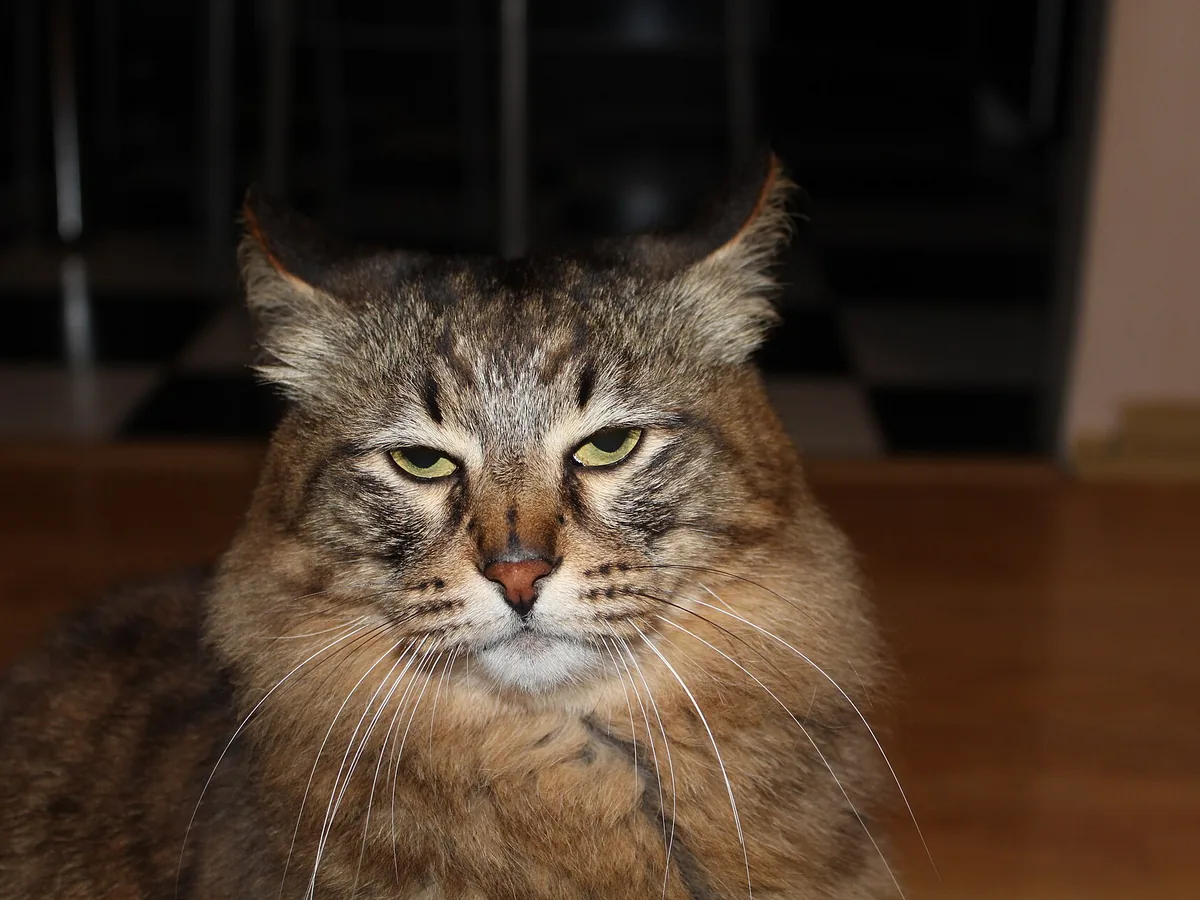
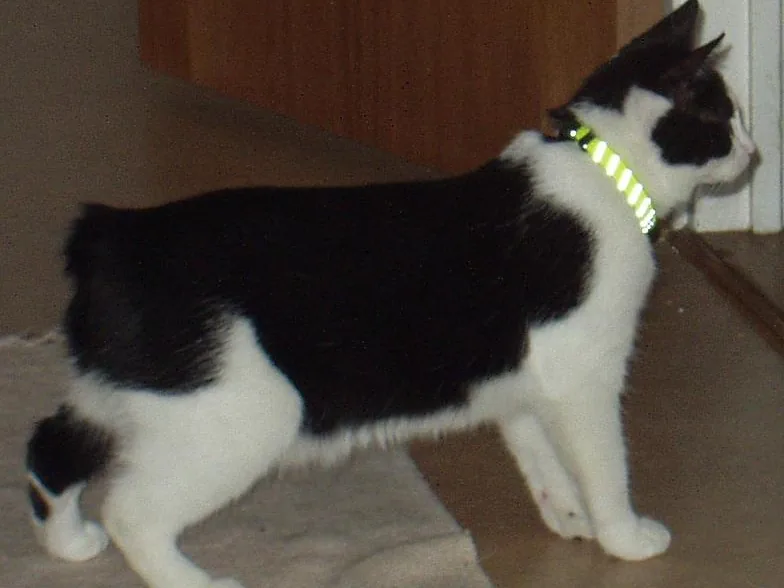
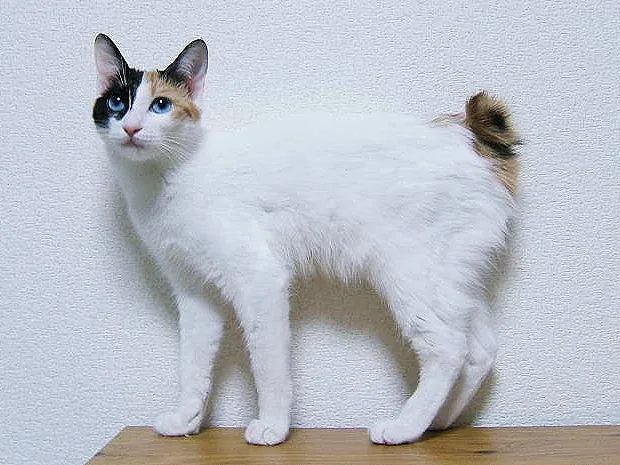
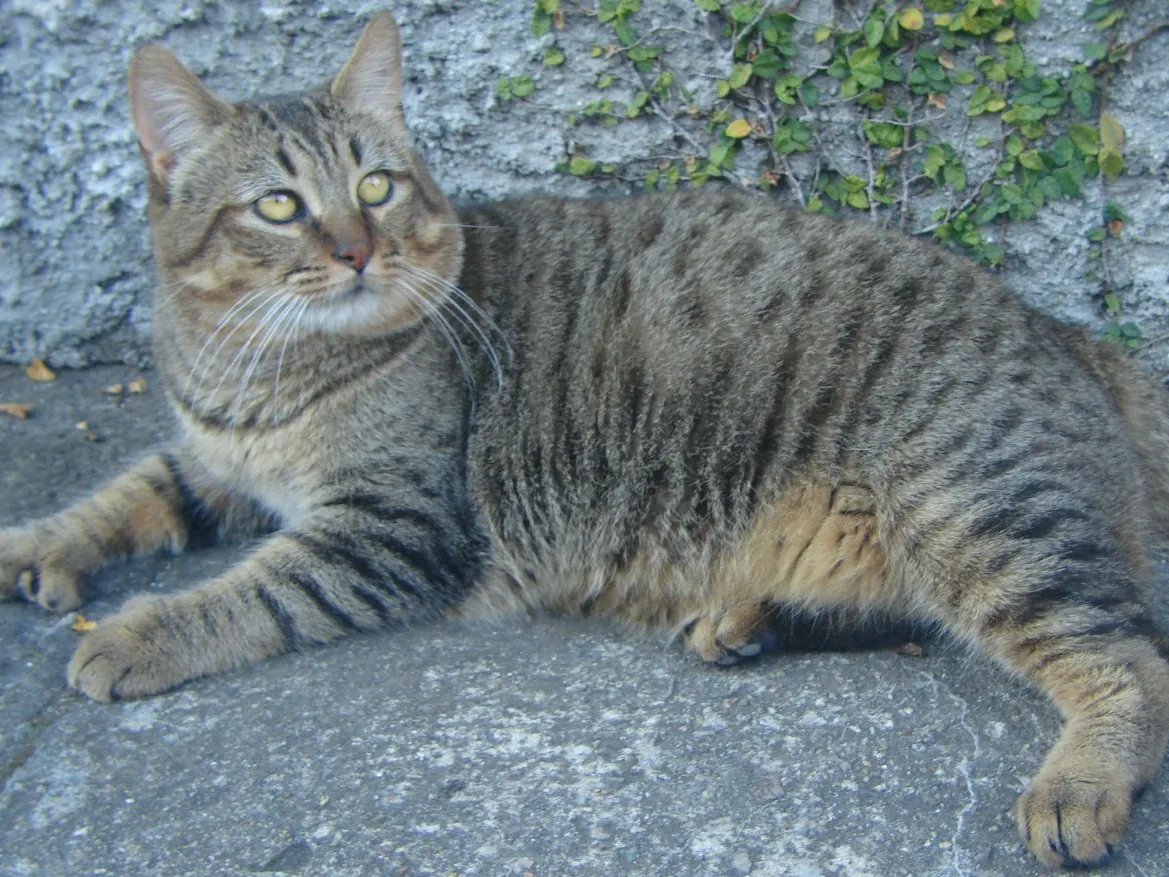
The look is deliberate: a rangy, long-bodied cat with heavy bone, a short thick tail, black paw pads, tufted ears with heavy furnishings, white skin around the eyes, and a brown spotted tabby coat washed with apricot. Males reach 12–17 lb and keep growing until about four years old. Temperament reads more dog than cat — fetch, leash walks, and following you into the bathroom.
Care essentials
- Grooming
- A rubber curry or slicker once a week is enough for the short coat; the occasional longhaired Pixie-bob needs twice that. Check the short tail and the extra toes weekly — nail beds on polydactyl feet are hard to keep clean and nails can curl into the pad.
- Exercise & play
- Needs real work: twenty minutes of fetch or wand play a day plus something to climb. It is big and athletic, and a bored Pixie-bob will open doors and raid cupboards.
- Feeding
- Large frame, moderate appetite — measure portions and keep it lean, because extra weight on a heavy-boned cat loads the joints. Two meals a day suits adults better than free-feeding.
- Home setup
- A garden with a secure catio suits it best; indoors it needs vertical space and a window to watch. It is social and dislikes long solitude, so a second cat or a dog that plays is a real benefit.
Health
- Hypertrophic cardiomyopathy (HCM) — a handful of cases reported since the 1980s; echo-screen breeding cats
- Cryptorchidism — rare but recorded, so check that both testicles have descended in a male kitten
- Dystocia and cystic endometrial hyperplasia — a small number of queens have trouble whelping and are removed from breeding
- Tail and spine defects tied to the short-tail gene; a kinked or abnormally short tail deserves an X-ray
The breed is genetically diverse because breeders outcross to unrelated domestic cats, which keeps inbreeding problems low — but it also means health data is thin. Ask for the parents' HCM echo results and check the PawPeds pedigree database, which Pixie-bob breeders use to log disease. Have a vet examine the tail and spine at the kitten check, since short-tail genes can drag skeletal defects along with them.
Health information here is general and not a substitute for veterinary advice. If your cat shows symptoms, contact a vet.
Frequently asked
Does the Pixie-bob really have bobcat blood?
Almost certainly not. DNA testing reported in 1996 found no bobcat markers in the breed, and no registry treats it as a hybrid, so ownership and import rules are the same as for any domestic cat. The original claim came from the appearance of rescued cats in the Cascade Range, not from controlled crosses.
Why do some Pixie-bobs have extra toes?
Polydactyly is accepted in the breed standard — it is one of only two breeds where extra toes are not a fault. The extra toes sit on the inside of the paw and are usually harmless, but nails there need weekly trimming because they do not wear down on the floor.
Are Pixie-bobs good with children and dogs?
Generally yes, and better than most cats. They are large, tolerant and play-driven, so they cope with a dog that respects them and with children old enough to handle a big cat properly. Their size means a toddler can be knocked over during a game, so supervise play.