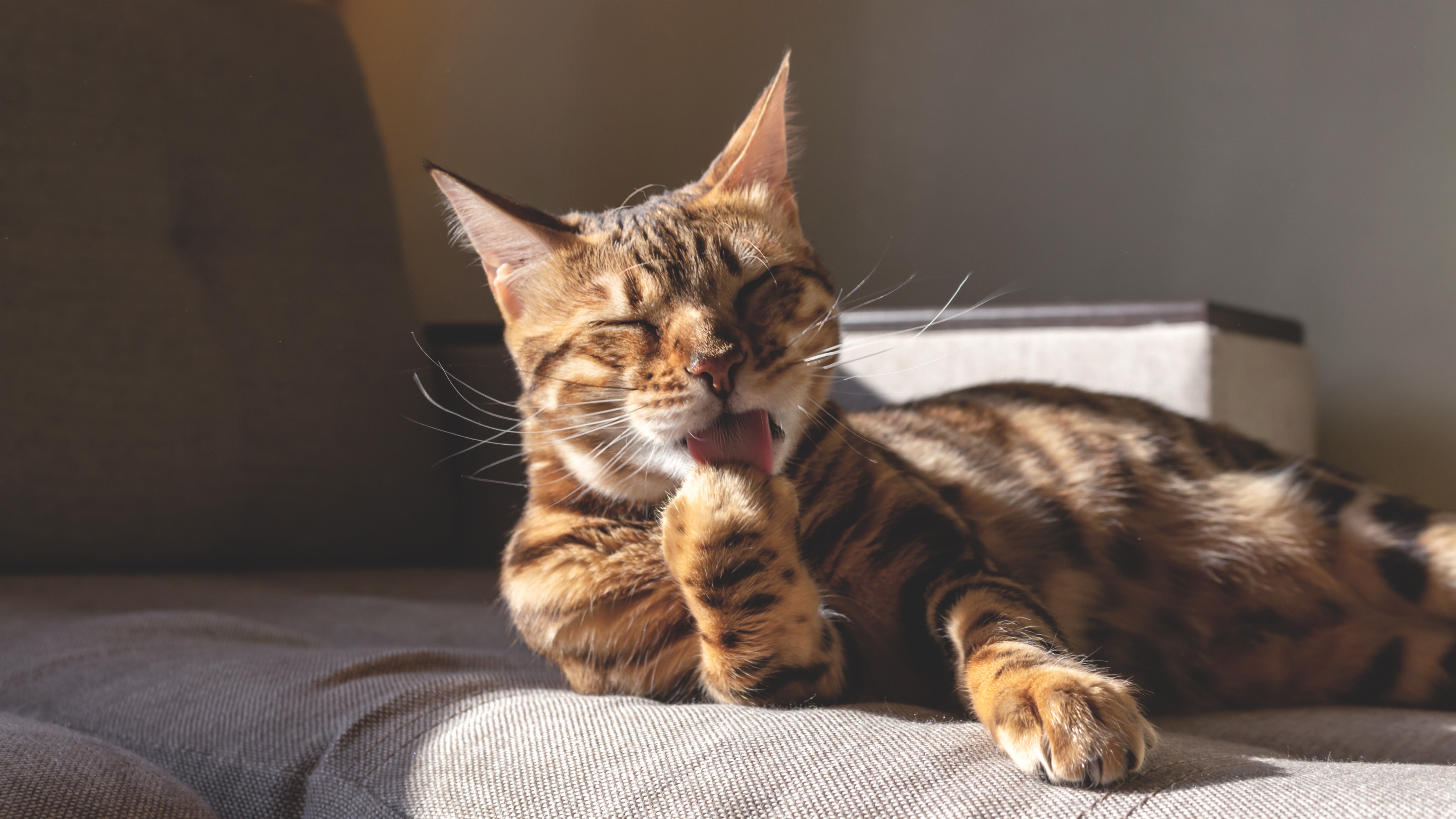
Why can't cats taste sweetness? What makes tuna so irresistible? And why do their food preferences change with age? Scientists at the Waltham Petcare Science Institute and Royal Canin are uncovering the answers
As many owners know firsthand, cats are famously picky eaters. But behind their food preferences lies some fascinating science
From the way cats detect flavors to how their senses change over time, research across Mars is helping us better understand what cats need to live healthier lives
Unlike humans, cats lack the functional sweet-taste receptor. Instead, their gustatory system is particularly attuned to savory tastes
In a 2023 study published in Chemical Senses (Opens a new window) , researchers at the Waltham Petcare Science Institute explored how cats detect umami – the savory taste associated with compounds found in meat and fish
Understanding these differences helps scientists better understand what makes food and specific flavors appealing to cats, whose sensory experiences are very different from our own – and from other pets
Research led by Dr. Scott McGrane at the Waltham Petcare Science Institute found that cats' umami receptors respond to particular combinations of nucleotides and amino acids
Tuna contains a distinctive combination of these compounds, creating what Scott describes as "the umami sweet spot" for cats