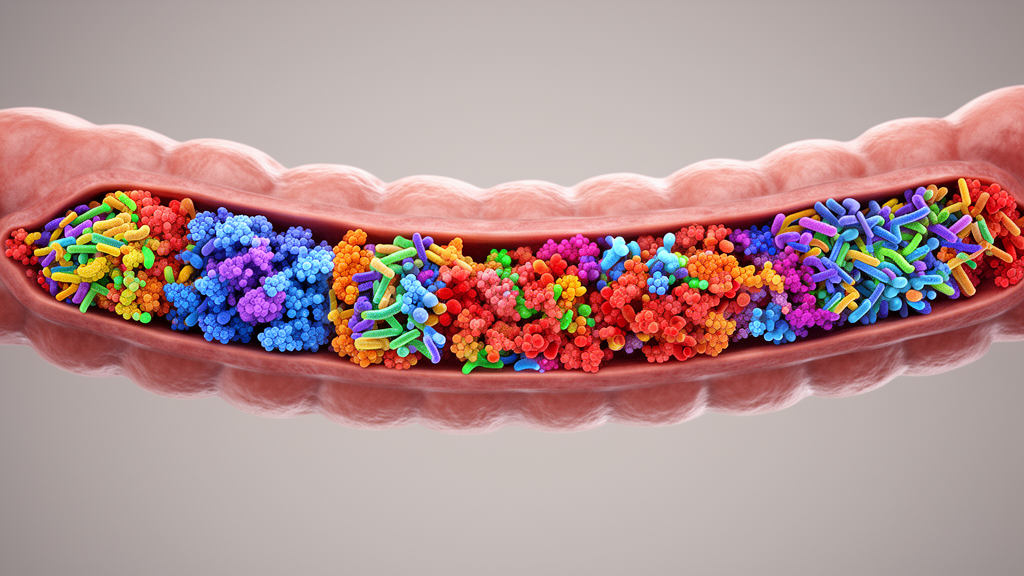
A randomized crossover trial investigating feline nutrition has demonstrated that feeding healthy adult cats commercial fresh, dry, or wet diets results in distinct differences in their fecal microbiome composition and predicted metabolic functions. The investigation, conducted using shotgun metagenomic sequencing, evaluated how complete diets differing in their formulation and industrial processing affect the microbial communities residing in the feline digestive tract. Researchers observed significant variations at the species level as well as in functional pathway profiles across the three dietary formats. However, the investigators emphasized that the direct physiological and health implications of these microbiome shifts remain unclear before such observations can be used to inform clinical or commercial feeding recommendations
Fresh, mildly cooked cat foods have emerged as an increasingly popular feeding alternative to conventional extruded dry kibble and retorted canned wet diets. While gut microbiota are recognized for playing an important role in feline health and systemic physiological functions, direct comparative evaluations of how fresh diets influence the feline microbiome relative to conventional dry and wet diets had not previously been conducted. Dry and wet formulations differ substantially from mildly cooked fresh foods in their manufacturing proces