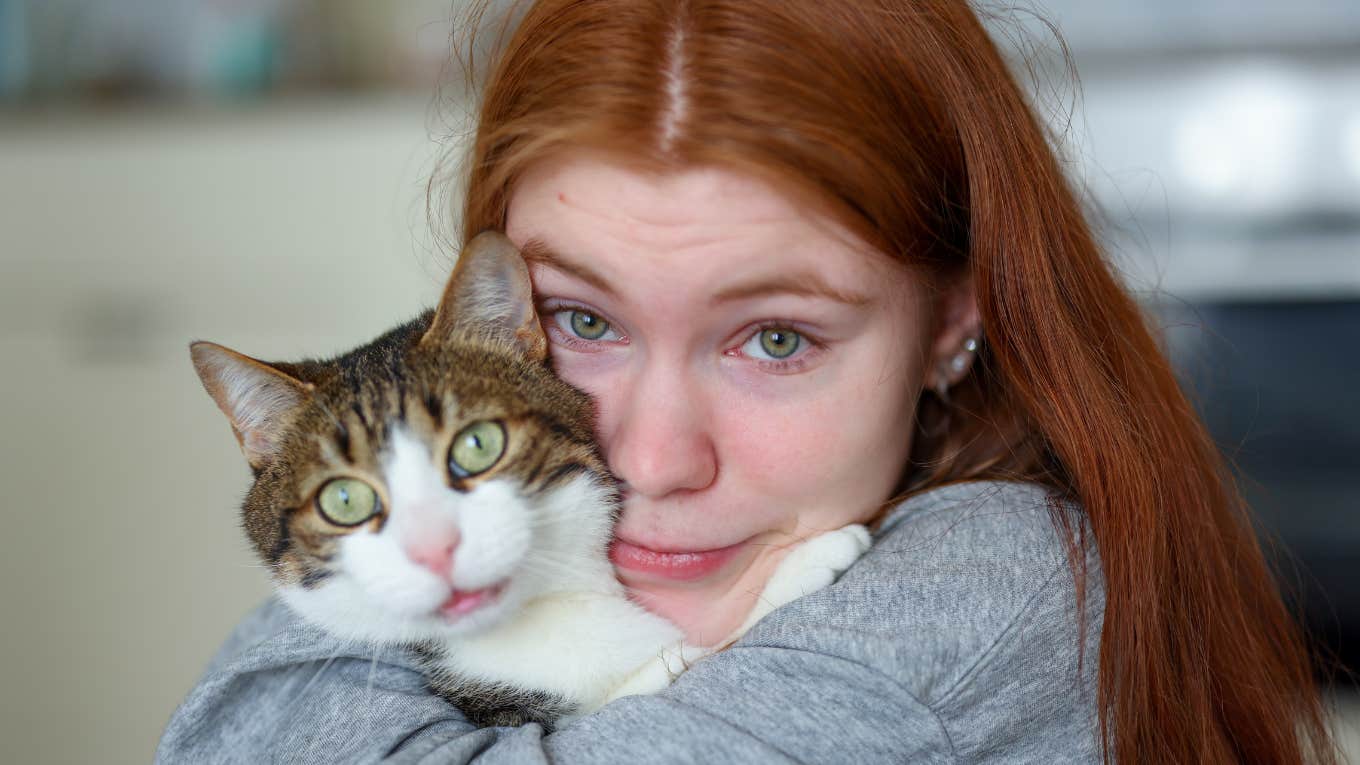
Research is painting a very different picture about the relationship between cats and their owners, one in which cats not only really do have affection for their owners, but the two are in fact engaged in an intricate dance regulated by the same human functions we engage in with our parents and children. Cats are often thought to be cool customers, at least in comparison to dogs. We've all experienced the way they walk away the moment we want to pet them, or even worse, the way they meow for cuddles and then immediately scratch us when we oblige. Compared to dogs, it's a much more capricious temperament! But temperament, as it turns out, does not equate to true affection, at least as it pertains to these fickle felines. When you love a cat, you impact each other's brains similarly to a parent-child bond A 2025 research collaboration between South China Agricultural University, Texas Tech, and the Ramical Pet Health Technology Company found that people who refer to their cat as their "fur baby" or themselves as a "cat mom" or "dad" actually aren't all that far off, no matter how much non-cat people may roll their eyes. Myriad studies over the years have shown that spending time with a cat can both lower cortisol , the stress hormone, in their owners and spike oxytocin, aka "the love hormone," and that's the same exact chemical that bonds a parent to a child. That's why skin-to-s
What Happens To Your Brain When You Really Love A Cat, Says Research
Excerpt published under fair use for commentary. Full article at yourtango.com.
Read the full story