Related: British Longhair Cat’s ‘Bedazzled Blueberry Eyes’ Look Like Shimmering Ocean Water
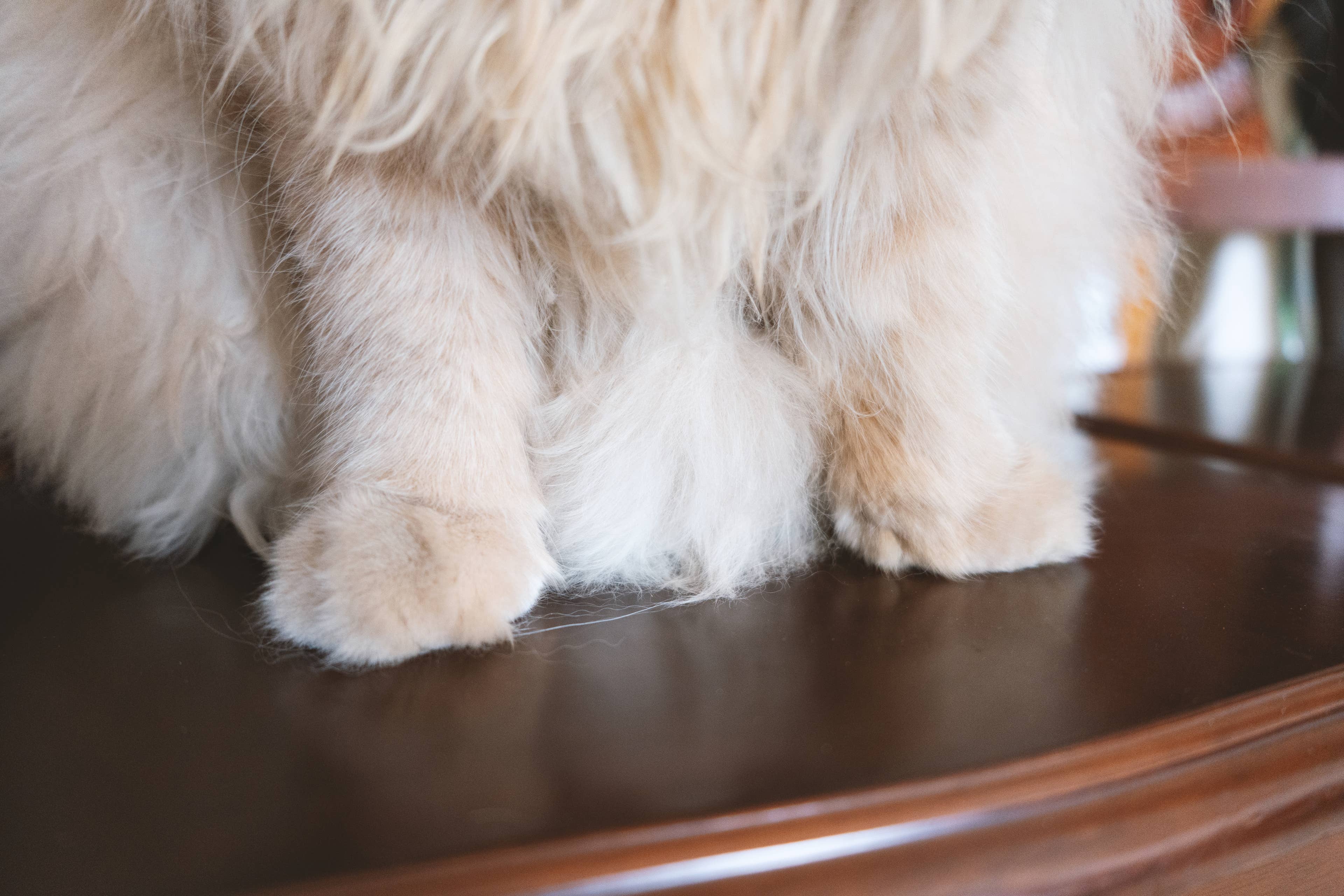
Buttercup is the newest member of the Ragdoll -dominant house, and being under a year old means she’s still checking things out and meeting all the other cats. So far, she’s rocking it like a tiny, plushie boss
The mystery of a cat’s coat color is like playing a randomized game in the genetics department . Just like humans, kittens inherit pre-determined color pigments from their parents, and what color they’ll become depends on how much influence those specific genes have in the embryo
Two main pigments, eumelanin (black/brown tones) and phaeomelanin (red/orange tones), are what all other color variations are based on. Add to that recessive or modifying genes that can cause a “diluted,” shades, or variants that lead to chocolate or cinnamon hues, and it’s a fun surprise to see what colors the kittens are born with
Fun fact: Calico and Tortoiseshell cats are almost always female because the gene for orange pigment sits on the X chromosome (and females have two). And, some colorpoint-colored kitties have temperature-sensitive pigment enzymes which can cause darker fur on ears, paws, tail, face, and lighter fur on the rest of the body making them look like they’re dressed for winter
Buttercup’s perfectly-toasted coat isn’t only a crowd-pleaser, it’s holiday sweetness personified!