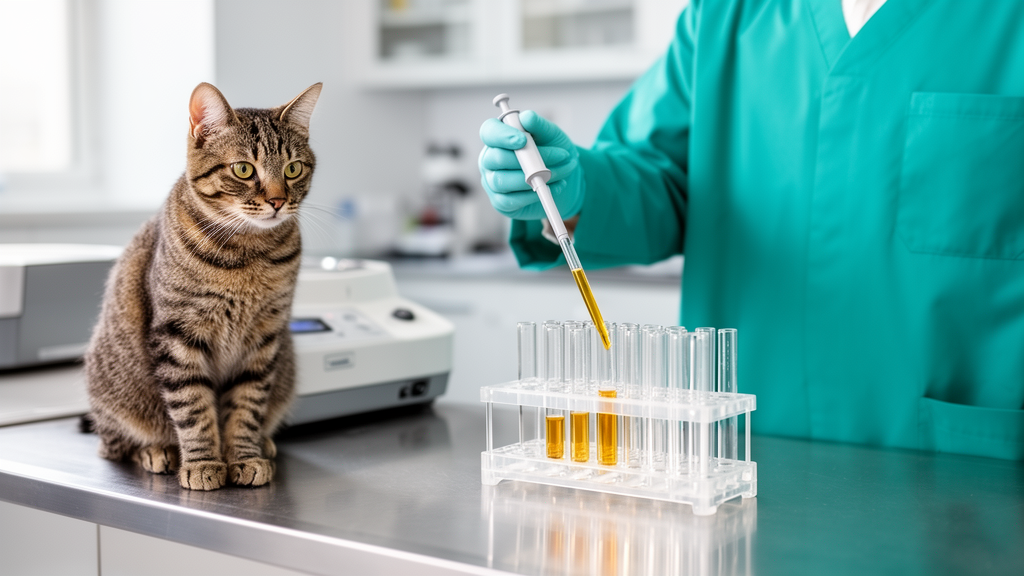
Researchers have identified collections of potential urinary protein biomarkers that could assist veterinarians in detecting feline chronic kidney disease at earlier stages and distinguishing between different stages of the condition. Published in the American Chemical Society journal Journal of Proteome Research, the peer-reviewed study investigated feline urine to uncover new leads regarding how chronic kidney disease develops. The findings offer potential pathways to establish earlier diagnoses and guide targeted treatments for an irreversible ailment that frequently goes undetected until reaching advanced stages
Chronic kidney disease in cats functions as an umbrella term for diverse disorders that cause kidney damage and dysfunction, presenting substantial hurdles for diagnosis and clinical management. Because the condition is common among older felines, veterinarians often face challenges distinguishing pathologic disease from age-related decline. Definitive diagnosis in certain cases requires biopsies and extensive laboratory evaluations that are invasive, time-consuming, and cost-prohibitive. Existing blood-based biomarkers frequently fail to uncover the underlying cause of renal dysfunction or detect disease only in mid- to late-stage progression, leaving earlier stages undiagnosed
To address the need for noninvasive diagnostic options, lead researcher