British Shorthair vs Siberian
Same fields, side by side: weight, lifespan, grooming load, energy and known health risks.
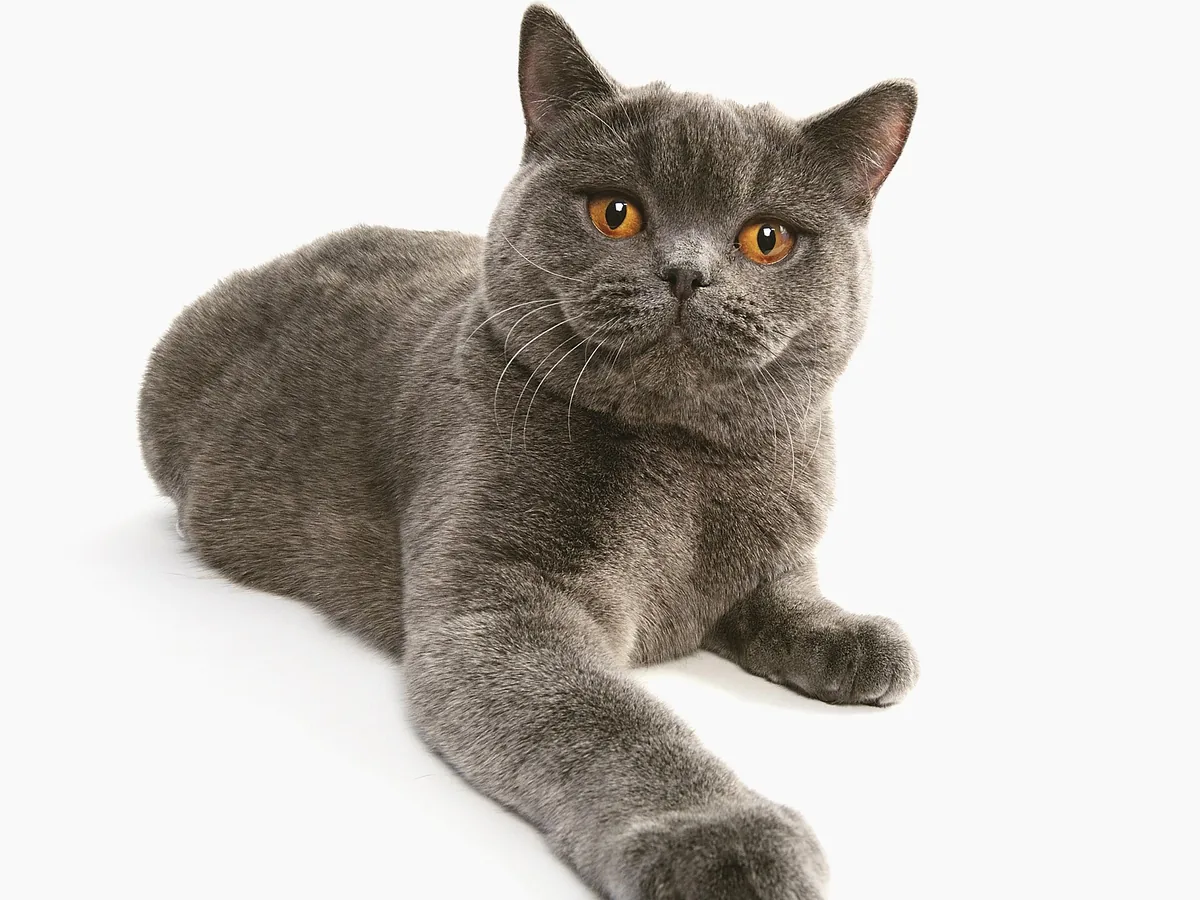
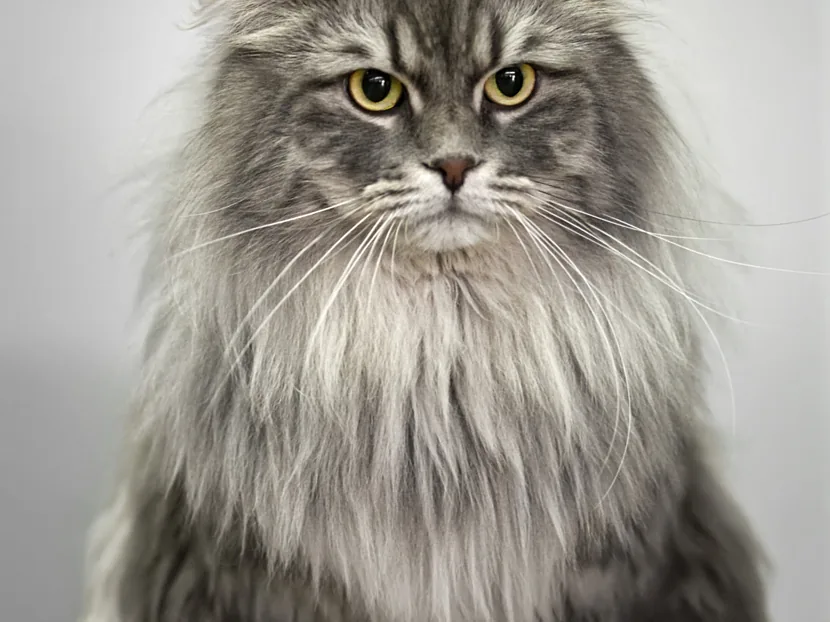
| British Shorthair | Siberian | |
|---|---|---|
| Weight | 3-8 kg | Males 4.5-9 kg, females 3.5-6 kg |
| Length | up to 70 cm including tail | Body 45-60 cm; tail heavily plumed |
| Lifespan | 12-17 years | 12-18 years |
| Typical price | $800-$2,000 (US, health-tested breeder) | US$1,000-3,000; low-allergen lines cost more |
| Grooming | ●●○○○ | ●●●●○ |
| Shedding | ●●●○○ | ●●●●○ |
| Energy | ●●○○○ | ●●●●○ |
| Affection | ●●●○○ | ●●●●● |
| Vocalness | ●○○○○ | ●●●○○ |
| Independence | ●●●●○ | ●●●○○ |
What the numbers say
- Grooming load: British Shorthair is lower than Siberian.
- Shedding: British Shorthair is lower than Siberian.
- Energy: Siberian is higher than British Shorthair.
- Vocalness: British Shorthair is lower than Siberian.
- Affection: Siberian is higher than British Shorthair.
Size, longevity and the practical difference
British Shorthair weighs 3-8 kg and stands out at up to 70 cm including tail; Siberian weighs Males 4.5-9 kg, females 3.5-6 kg, Body 45-60 cm; tail heavily plumed. Lifespan is 12-17 years against 12-18 years. In practice the heavier cat costs more at every vet visit (drugs and anaesthesia are dosed by weight), needs sturdier cat trees, and carries a higher baseline risk of joint load. The lighter cat is easier to keep slim and cheaper to medicate, but has less margin if it loses weight during illness.
Time you actually spend per week
Coat and skin work is the recurring cost. British Shorthair sits at grooming difficulty 2/5 and moderate shedding, which is roughly <strong>25 to 40 minutes of combing a week</strong>, more in spring and autumn. Siberian sits at 4/5 and heavy shedding: about <strong>75 to 120 minutes a week</strong>. Play is the second cost: British Shorthair has low drive, short daily play is enough; Siberian has high drive, needs structured play every day. Budget 10 to 15 minutes twice a day for either, and a food puzzle for the lower-energy one so it does not simply sleep through the day.
Health screening before and after you buy
British Shorthair's headline risk is Hypertrophic cardiomyopathy (HCM). Siberian's is Hypertrophic cardiomyopathy (HCM). Ask for the parents' DNA test results and the most recent cardiac ultrasound report; both breeds' calendars on this site list which tests are worth paying for and how often. Weight is the lever you control: a cat one kilogram over its ideal weight has measurably more arthritis and diabetes risk, so weigh monthly and act at 10% above target.
Which one fits your household
Energy 2/5 and vocalness 1/5 for British Shorthair against 4/5 and 3/5 for Siberian; affection 3/5 against 5/5. Both lean towards people. If nobody is home for ten hours a day, neither is a good fit on its own unless you take two cats or arrange a midday visit. A first-time owner or a home with young children should pick the calmer, more tolerant of the two; an experienced owner who wants interaction should pick the busier one.
British Shorthair care calendar · Siberian care calendar · cost of owning a cat