Selkirk Rex
塞尔凯克卷毛猫 · Rex (curly coat) · United States (Montana)
The Selkirk Rex began with one kitten.
Quick facts
- Weight
- 6–16 lb (2.7–7 kg); males heavier
- Length
- Medium–large; 18–24 in (46–61 cm) nose to tail base
- Lifespan
- 12–15 years
- Typical price
- $600–1,500
Temperament & lifestyle
About the breed
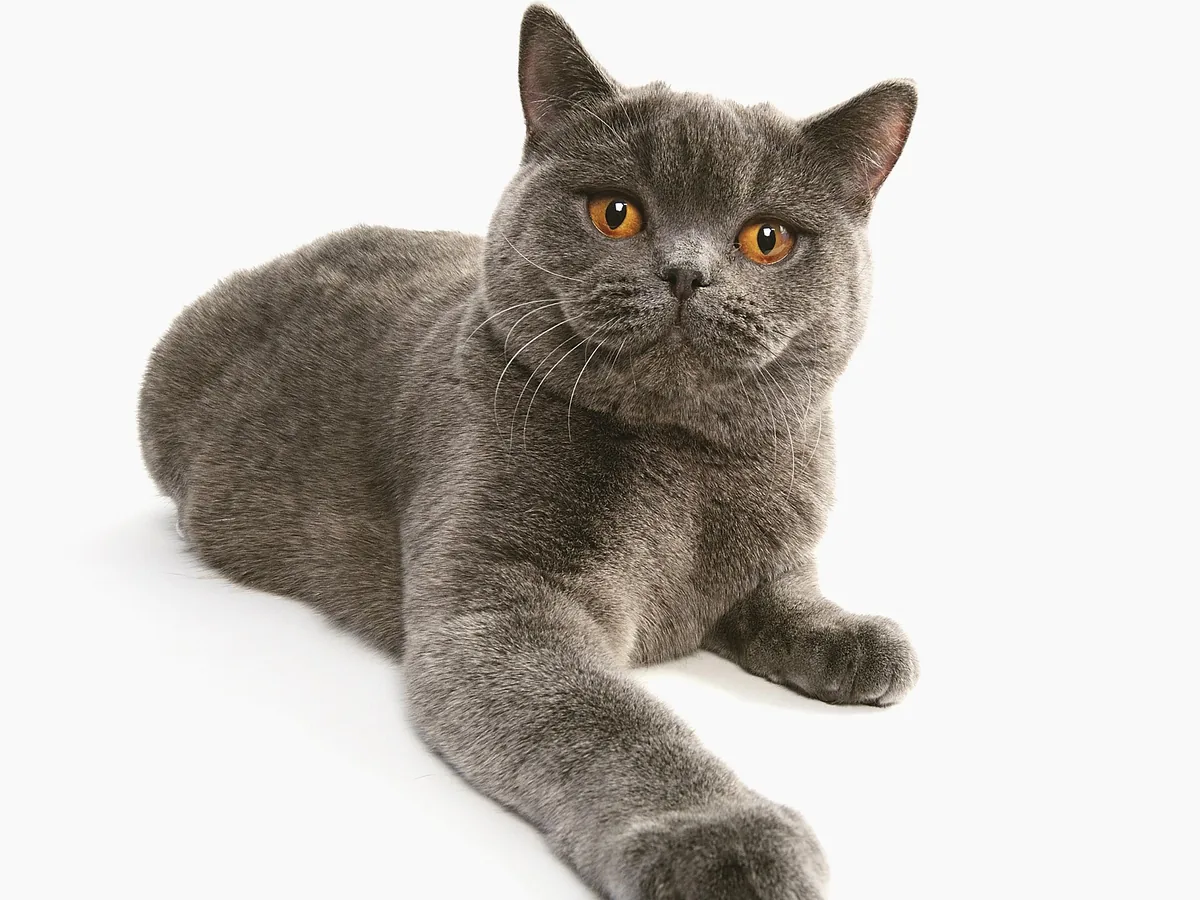
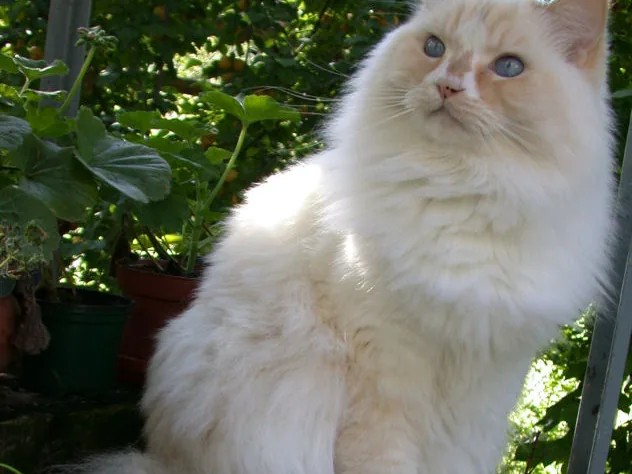
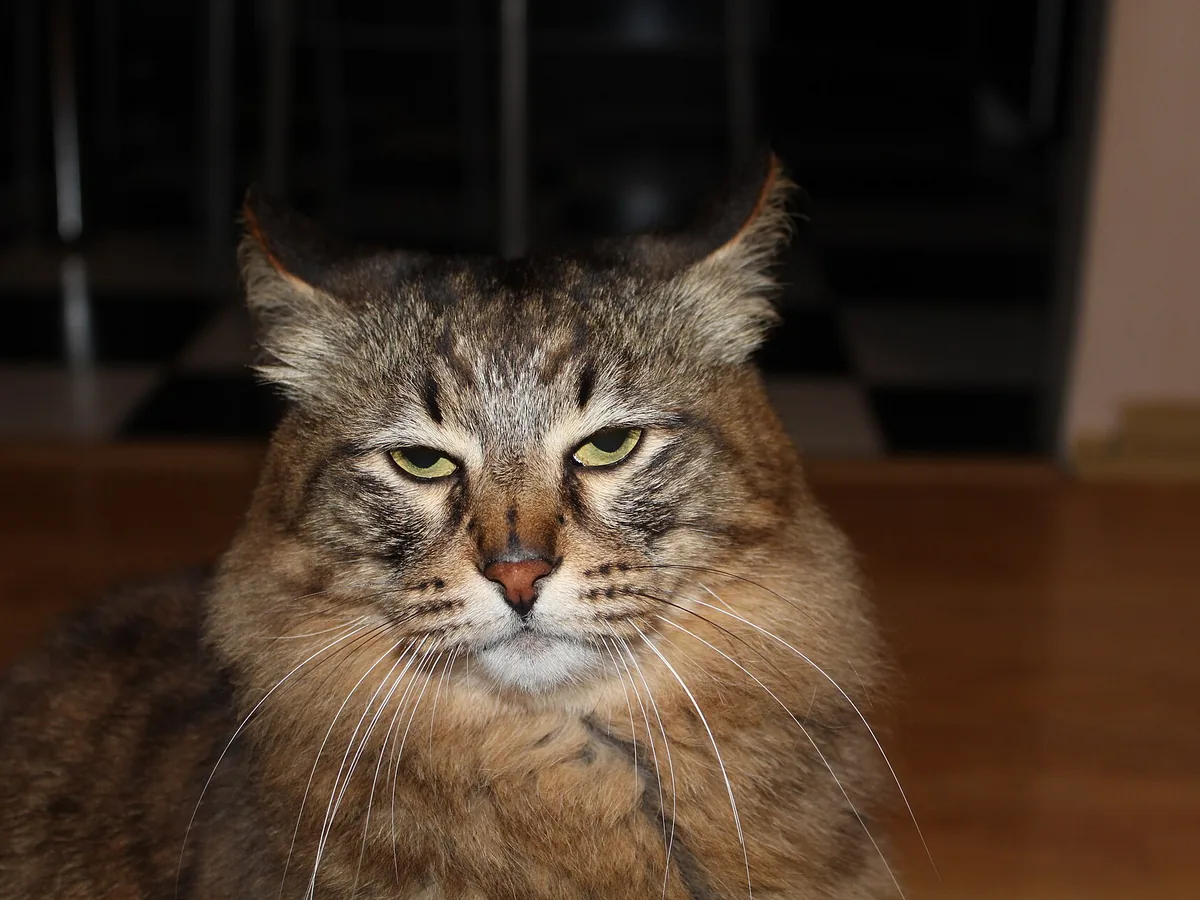
The Selkirk Rex began with one kitten. In 1987 a Persian breeder named Jeri Newman adopted a curly-coated female from a Montana shelter and called her Miss DePesto. Bred to a black Persian, she produced curly kittens — proof that this was a dominant gene, unlike the recessive mutations behind the Cornish and Devon Rex. The breed took Newman's stepfather's name, comes in short- and long-haired varieties, was recognised by TICA in 1992 and by CFA in 2000, and the Persian and British Shorthair outcrosses used early on gave it a cobby, heavy-boned body.
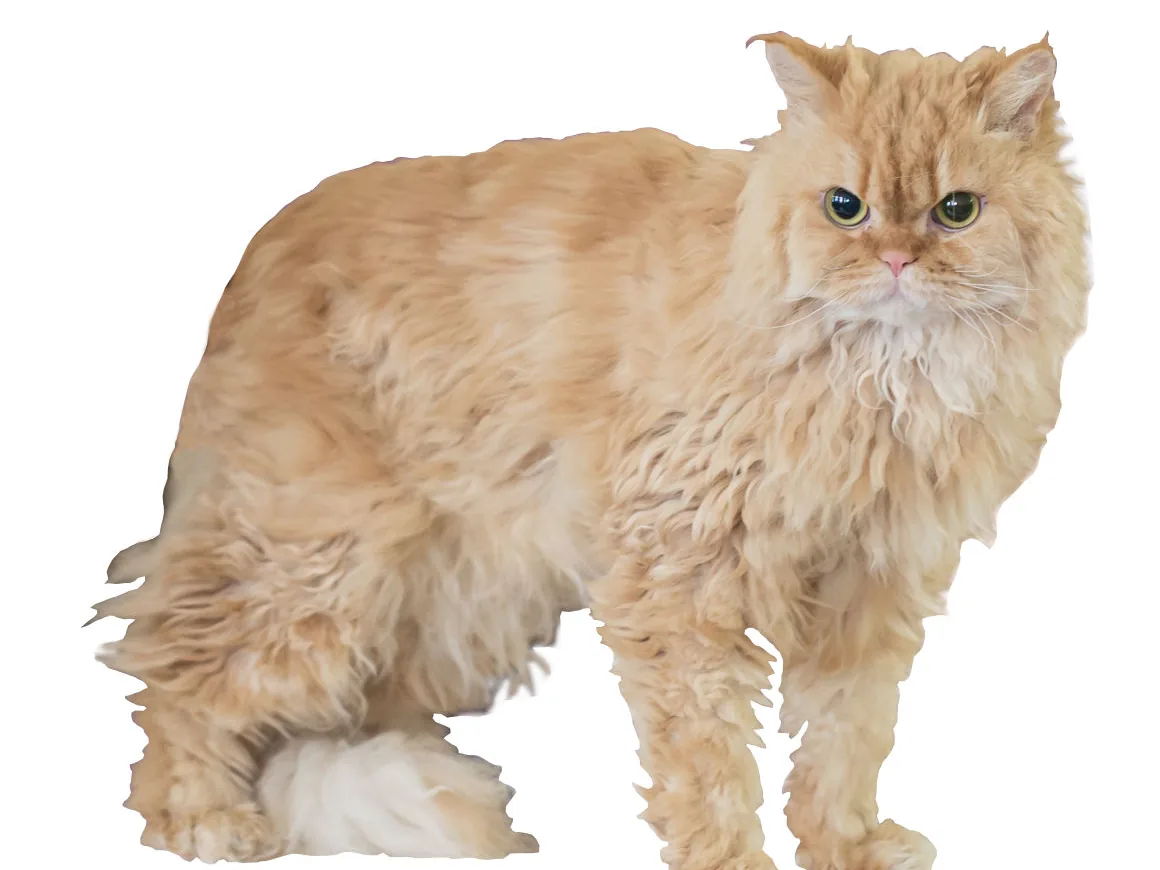
The coat is the whole point: soft, plush and arranged in loose curls and waves, denser at the neck, belly and tail. Curls run from tight to barely there, and no two cats match. Kittens often lose their curl around four to six months and grow it back, and some adults go nearly straight in summer. Every colour and pattern is accepted, pointed and white included.
Underneath, the Selkirk is a Persian-shaped cat in temperament — calm, tolerant, slow to move and happy in a lap. They are quieter than the other Rex breeds, get on with children and other pets, and adapt well to flats. The catch is the coat: brush it dry and it frizzes and mats, and the skin beneath can turn greasy if maintenance slips.
Care essentials
- Grooming
- Never brush a dry curly coat — it frizzes and mats. Mist lightly with water or a leave-in conditioner, then work through with a wide-tooth comb, two or three times a week. Bathe every four to six weeks with a degreasing shampoo. Check ears weekly: in some cats curl grows inside the ear and traps wax.
- Exercise & play
- Moderate. One or two wand sessions a day and a sturdy scratching post. They are not athletic jumpers, so weight gain is the real risk — keep portions measured and weigh the cat monthly.
- Feeding
- Complete food in measured meals, twice daily, with wet food for hydration. The cobby body hides fat well; feel for ribs. Kittens need kitten-formula food until 12 months because of the heavier frame.
- Home setup
- Indoor or secure catio. They need warm, draft-free sleeping spots and a low-sided litter box because of the heavier build. Avoid extreme heat — the dense coat makes them uncomfortable. A companion cat suits them, and they handle apartment life well.
Health
- Polycystic kidney disease (PKD) — inherited through Persian outcrosses; DNA test and ultrasound screening available
- Hypertrophic cardiomyopathy (HCM) — reported in the breed; breeding cats should be echo-screened
- Seborrhoea and greasy coat — curls trap skin oils, and some cats need regular degreasing baths
- Ear infections — curly growth inside the ear canal traps wax and debris in some lines
- Dental crowding and bite problems from the shortened Persian-type face
Buy from breeders who test for PKD and screen for HCM, and ask to see photographs of the parents as adults — a kitten's curls change completely by one year. Budget for grooming tools and occasional professional grooming; coat care is the main ongoing cost. Skin flaking or a sour smell between baths usually means the coat needs a different shampoo rather than more brushing.
Health information here is general and not a substitute for veterinary advice. If your cat shows symptoms, contact a vet.
Frequently asked
Do Selkirk Rex cats shed?
Yes, and more than their curly look suggests — they shed loose curls and undercoat, especially in spring and autumn. The shed hairs tend to stay tangled in the coat, so combing is what keeps them off your floors.
Why did my Selkirk Rex kitten lose its curls?
It is normal. Most Selkirks moult out their kitten coat between four and six months and regrow curls afterwards, sometimes tighter or looser than before. Some adults also straighten in hot weather.
Can you brush a Selkirk Rex?
Only on a damp coat. Dry brushing creates frizz and tight mats that are painful to remove. Mist the coat with water or leave-in conditioner and use a wide-tooth comb, working in sections.
Are Selkirk Rex cats hypoallergenic?
No cat is truly hypoallergenic, and this breed is a poor choice for allergy sufferers: it produces plenty of the Fel d 1 protein and its dense coat holds dander close to the body. Test your reaction by visiting the breeder several times before committing.