Ragamuffin
拉格玛芬猫 · Semi-longhair · United States (California)
The Ragamuffin exists because of an argument.
Quick facts
- Weight
- Males 15–20 lb (7–9 kg); females 10–15 lb (4.5–7 kg)
- Length
- Large; 20–26 in (51–66 cm) nose to tail base
- Lifespan
- 12–16 years
- Typical price
- $800–2,000
Temperament & lifestyle
About the breed
The Ragamuffin exists because of an argument. In the early 1990s a group of Ragdoll breeders broke with the established Ragdoll registry over rules on outcrossing and the direction of the breed. Working from the same foundation lines — including the cats behind Ann Baker's original Ragdoll — they built a breed that allowed more colours, more patterns and more outcrosses. The name Ragamuffin was adopted in 1994, TICA granted championship status in 2003, and CFA recognised the breed in 2011.
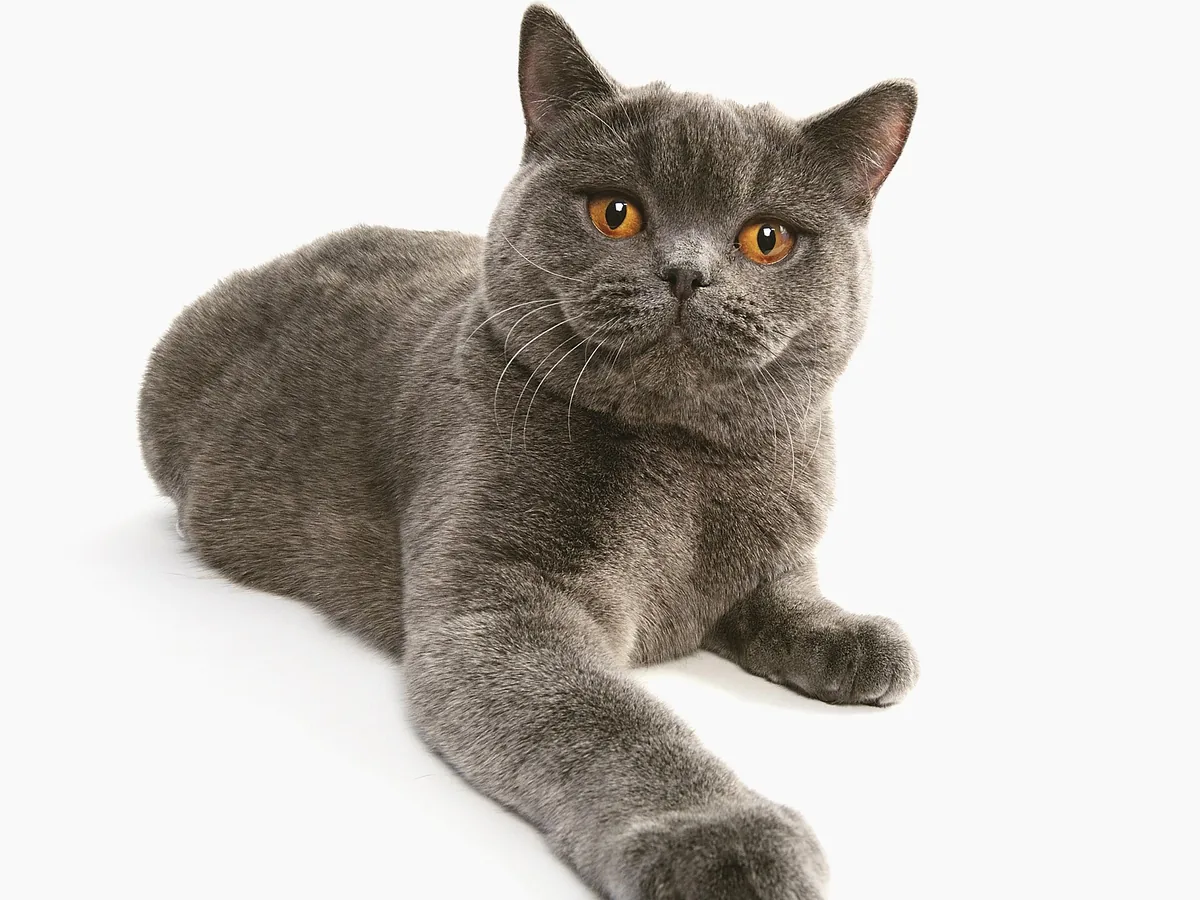
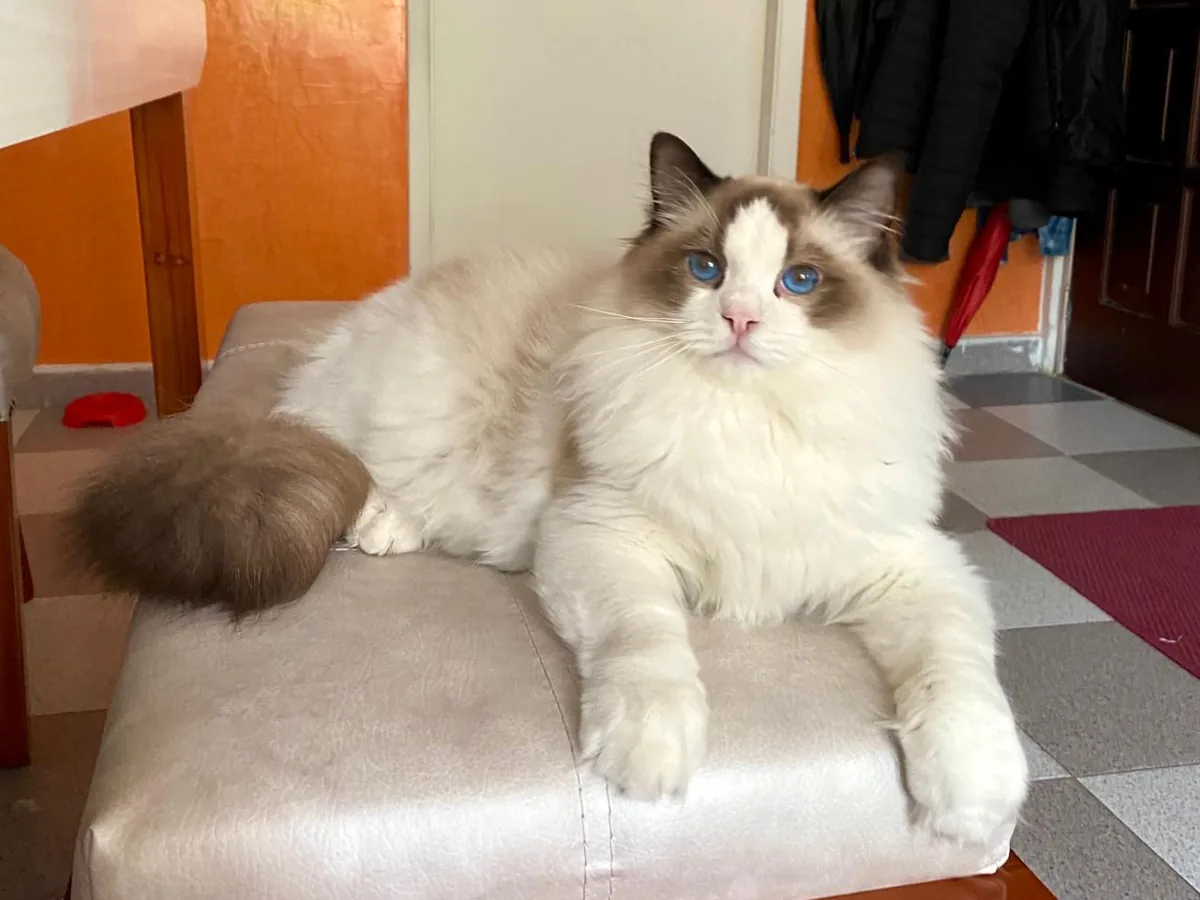
Physically it is a large, rectangular cat with heavy bone and a broad chest. Adult males typically run 15–20 lb and females 10–15 lb, and they keep growing until three or four years old. The semi-long coat is dense and soft, closer to rabbit fur than to a Persian coat, with a ruff, knickerbockers on the hind legs and a plumed tail. Every colour and pattern is accepted, from solid black to lynx point, frequently with white.
The temperament is the selling point: calm, forgiving and famously limp when lifted. Ragamuffins get on with children, dogs and other cats, greet visitors at the door and prefer to be in whichever room the people are in. They are not jumpers or escape artists, but that same placidity makes them poor outdoor cats — they will not run from a car or a loose dog.
Care essentials
- Grooming
- Brush two or three times a week with a steel comb and slicker to clear the undercoat before it mats; behind the ears, armpits and britches need the most attention. Bathe every six to eight weeks if the coat looks greasy. Check for hairballs and trim claws every two weeks.
- Exercise & play
- Moderate. One or two wand-toy sessions plus a tall scratching post. Ragamuffins are happy to snooze, so weight creeps up fast — daily play is a health measure, not a treat. They will walk on a harness but rarely ask to.
- Feeding
- Portion-controlled complete food, twice a day, measured with a scale rather than a scoop. Large, sedentary cats are prime candidates for obesity and obesity-linked diabetes. Slow feeders help, and wet food supports water intake.
- Home setup
- Indoor-only. They do not defend themselves outdoors. Provide a quiet corner, a high perch and soft bedding; they dislike chaos and loud households. A companion cat is welcome, and a securely screened window is their idea of television.
Health
- Hypertrophic cardiomyopathy (HCM) — the main breed concern; a known MYBPC3 mutation accounts for some cases and can be DNA tested
- Increased susceptibility to feline infectious peritonitis (FIP) — reported in Ragdoll-related lines
- Obesity and diabetes — large, low-activity cats gain weight easily
- Hairballs and trichobezoars, especially during seasonal shedding
- Polycystic kidney disease reported occasionally through Persian-type outcrosses
Insist on a cardiologist's echocardiogram for both parents, not just a DNA swab, because the known mutation explains only a fraction of HCM cases. Keep the cat lean — body condition is the single biggest lever you control. Any cat with FIP risk should be seen promptly for unexplained fever or belly swelling; modern antiviral treatment has changed the prognosis considerably.
Health information here is general and not a substitute for veterinary advice. If your cat shows symptoms, contact a vet.
Frequently asked
What is the difference between a Ragamuffin and a Ragdoll?
They share foundation lines, but the Ragamuffin was developed after a split from the Ragdoll registry in the early 1990s and allows more outcross breeds, more colours and patterns, and a wider range of body types. Ragamuffins are registered with TICA and CFA; Ragdolls have their own closed registry.
Do Ragamuffins shed a lot?
Moderately. The semi-long coat sheds year-round with a heavier moult in spring and autumn. Twice-weekly combing keeps most of the hair off your furniture and reduces hairballs.
Are Ragamuffins good with young children?
They are unusually tolerant and rarely scratch, which makes them a good fit for families — but no cat should be left unsupervised with a toddler, and children still need to be taught not to carry a 7 kg cat by the front legs.
Can a Ragamuffin be an outdoor cat?
No. They are docile to the point of being defenceless, have low prey drive and no road sense. Keep them indoors or in a secure catio, and harness-train if you want to take them outside.