Persian
波斯猫 · Longhair (Persian group) · Iran (historical Persia), refined in Europe
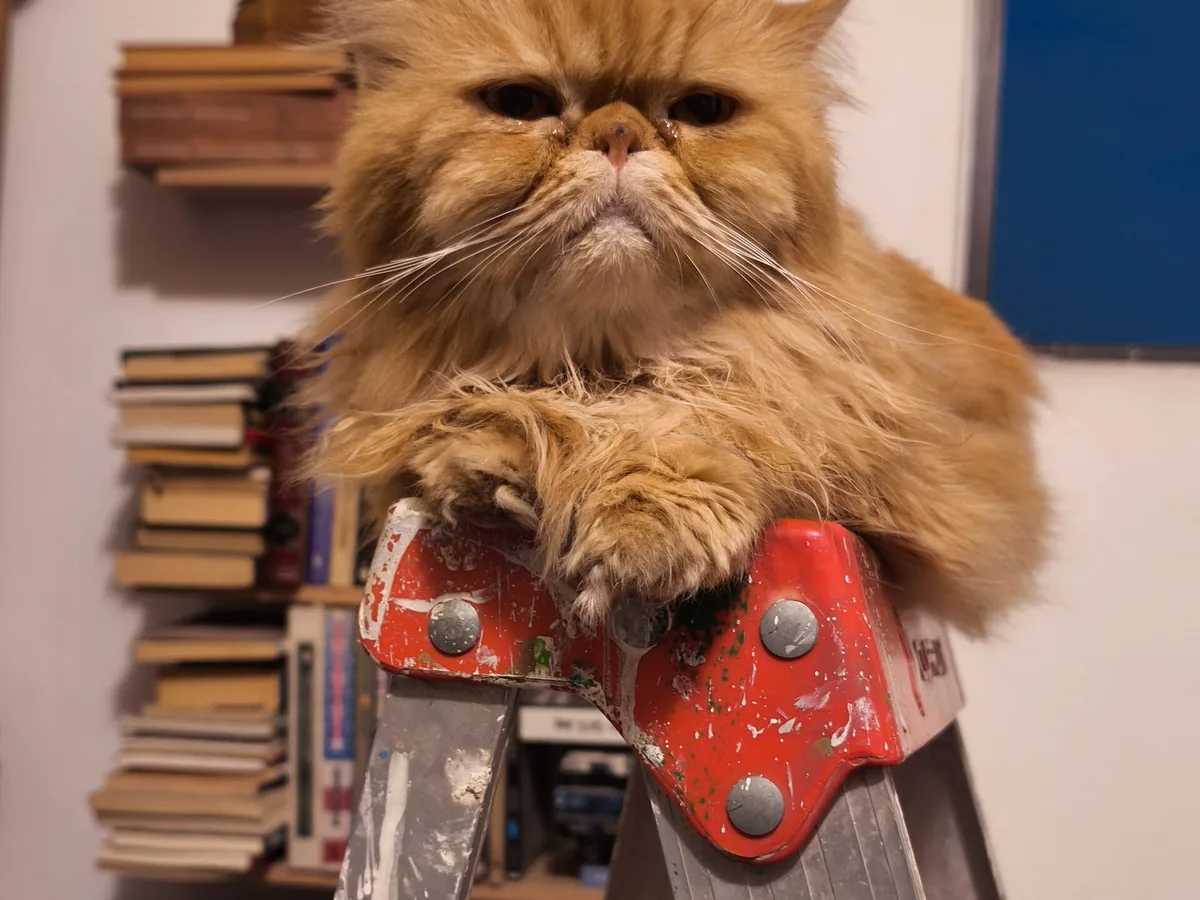
The Persian is the breed most people picture when they hear "longhaired cat": a cobby, low-slung body on short thick legs, a round head with small ears set low and wide, and a coat that can reach 10 cm and forms a heavy ruff around the neck.
Quick facts
- Weight
- 3.2–5.4 kg (7–12 lb)
- Length
- Body 40–50 cm (16–20 in), tail 25–30 cm
- Lifespan
- 12–17 years
- Typical price
- $800–$3,500 (pet to show quality)
Temperament & lifestyle
About the breed
The Persian is the breed most people picture when they hear "longhaired cat": a cobby, low-slung body on short thick legs, a round head with small ears set low and wide, and a coat that can reach 10 cm and forms a heavy ruff around the neck. The flat, peke-faced profile that defines the modern show cat is a 20th-century development; early Persians had a visible muzzle, and many pet lines today still breed the longer-nosed "doll face", which breathes more easily.
Temperament is where the Persian earns its reputation. They are quiet, unhurried cats that ask for little beyond a warm spot and a predictable routine. Most vocalise rarely — a soft chirp at feeding time rather than a Siamese commentary — and they prefer to sit near you rather than be carried around. Loud households, chasing dogs and toddlers who grab will push a Persian into hiding, and once a Persian decides a corner is safe, it stays there.
The real cost of the breed is grooming, not the purchase price. That coat mats within days if it is not combed through to the skin, and a matted Persian is a veterinary problem, not a cosmetic one. Flat-faced cats also cannot clean their own eyes or faces properly, so daily wiping is part of ownership, not an optional extra. Budget 10–15 minutes a day plus professional grooming every 6–8 weeks, and buy only from breeders who DNA-test for polycystic kidney disease.
Care essentials
- Grooming
- Comb daily with a steel comb down to the skin; a slicker helps the ruff and rear trousers. Bathe every 3–4 weeks with a degreasing shampoo, dry thoroughly (a damp undercoat grows fungus). Wipe eyes twice a day and clean the facial fold if present; check ears weekly and trim nails every 2 weeks. A sanitary clip around the rear prevents matting and stool stains.
- Exercise & play
- Two 10–15 minute sessions of low-intensity play with a wand or a dragged string. Food puzzles and a window perch provide gentle stimulation. Do not expect leaping; keep climbing furniture low and sturdy.
- Feeding
- Persians are sedentary and gain weight easily, so measure portions and weigh monthly. Wet food supports water intake and is easier for a flat-faced cat to eat from a shallow plate. Brush teeth several times a week; long coats also mean regular hairball management.
- Home setup
- A quiet household with a stable routine and no chasing dogs or grabby toddlers. Keep the room cool in summer, since brachycephalic cats overheat. Provide low scratching posts, a covered bed and a litter box with high sides but a low entry.
Health
- Polycystic kidney disease (PKD) — DNA-testable, common in older lines
- Brachycephalic airway syndrome: noisy breathing, snoring, heat intolerance
- Excessive tearing and eye discharge; corneal ulcers in flat-faced lines
- Hypertrophic cardiomyopathy (HCM)
- Dermatophytosis and seborrhea under the dense coat
Ask for PKD DNA results for both parents and avoid a kitten from two peke-faced parents if breathing is audible at rest. Flat-faced cats should be flown in the cabin, never in cargo. Weigh monthly: even 500 g of extra weight strains breathing.
Health information here is general and not a substitute for veterinary advice. If your cat shows symptoms, contact a vet.
Frequently asked
Do Persian cats shed a lot?
Yes. The long coat sheds steadily all year, not just in spring, and every brushing pulls loose hair out before it lands on your sofa. Expect daily hair on clothes and a vacuum running several times a week.
Are Persian cats good with children?
With calm children over about six who have been taught to be gentle, usually yes. They will not tolerate being carried around or grabbed, and a loud toddler is likely to make the cat a permanent resident under the bed.
How often should you bathe a Persian?
Every three to four weeks is typical. Show cats are bathed weekly. More important than the bath is daily combing — a Persian that is bathed but not combed still mats.
Do flat-faced Persian cats have breathing problems?
Many do. Brachycephalic airway syndrome causes noisy breathing, snoring, exercise intolerance and poor heat tolerance, and severely affected cats need surgery. Doll-face Persians with a visible muzzle are generally less affected.