British Longhair
英国长毛猫 · Longhair (British family) · United Kingdom
The British Longhair is not a new invention but an old accident that was finally given a name.
Quick facts
- Weight
- 4-8 kg (9-18 lb); females 4-6 kg, males 5-8 kg
- Length
- Body 46-53 cm nose to tail base; tail 30-36 cm
- Lifespan
- 14-20 years
- Typical price
- CNY 3,000-12,000 in China; blue is cheapest, colourpoints and rare colours higher
Temperament & lifestyle
About the breed
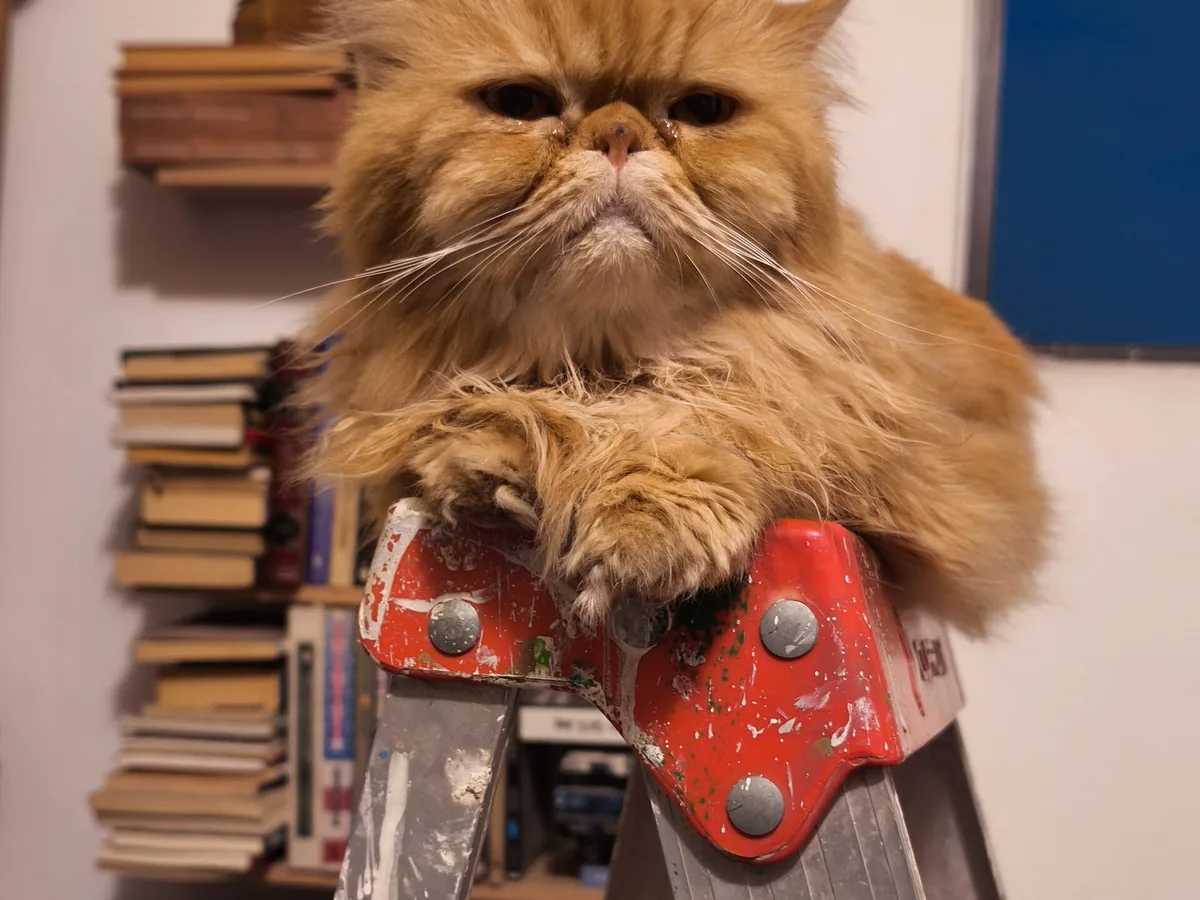
The British Longhair is not a new invention but an old accident that was finally given a name. Persian blood entered British Shorthair lines in the 1914-1918 period, and again after the Second World War when breeders rebuilding a depleted gene pool used Persians to restore bone and type. That brought the long-hair gene in with it, and long-haired kittens kept turning up in British Shorthair litters. For most of the twentieth century they were quietly sold as pets; a particularly good one might be kept in a breeding programme as a British Shorthair Variant, ineligible for shows. Sentiment changed slowly. TICA gave the longhaired cat championship status effective May 2009. The GCCF accepted British Longhair as an official breed name on 15 February 2017 and granted championship status in November 2021.
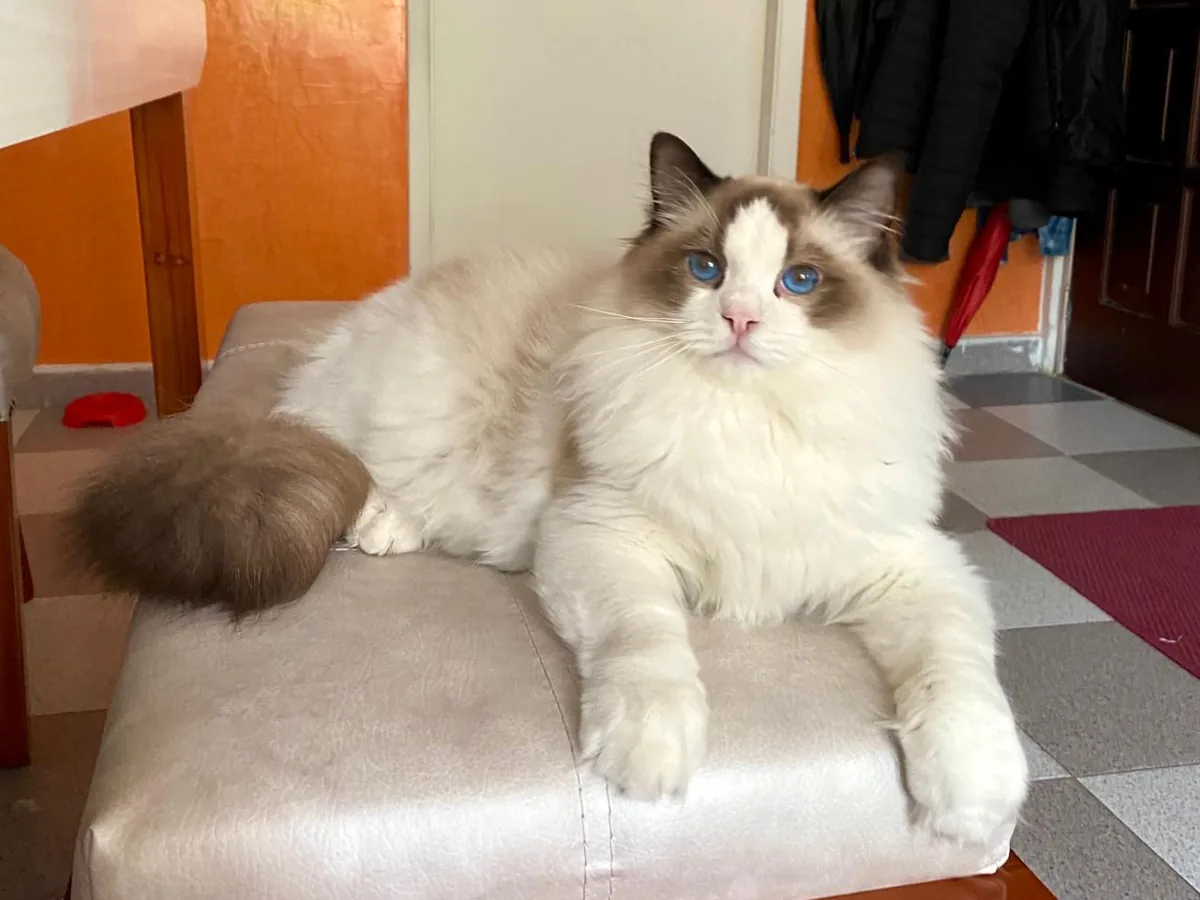
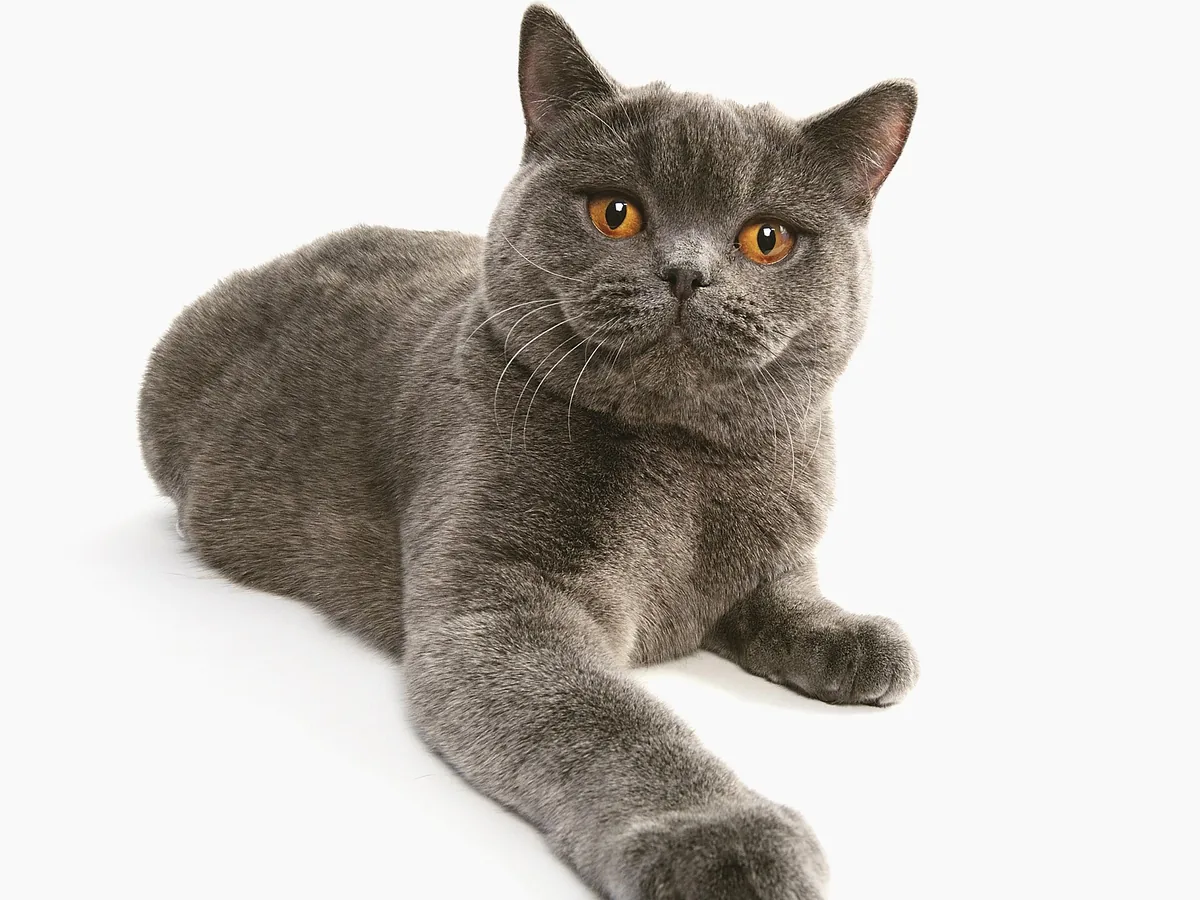
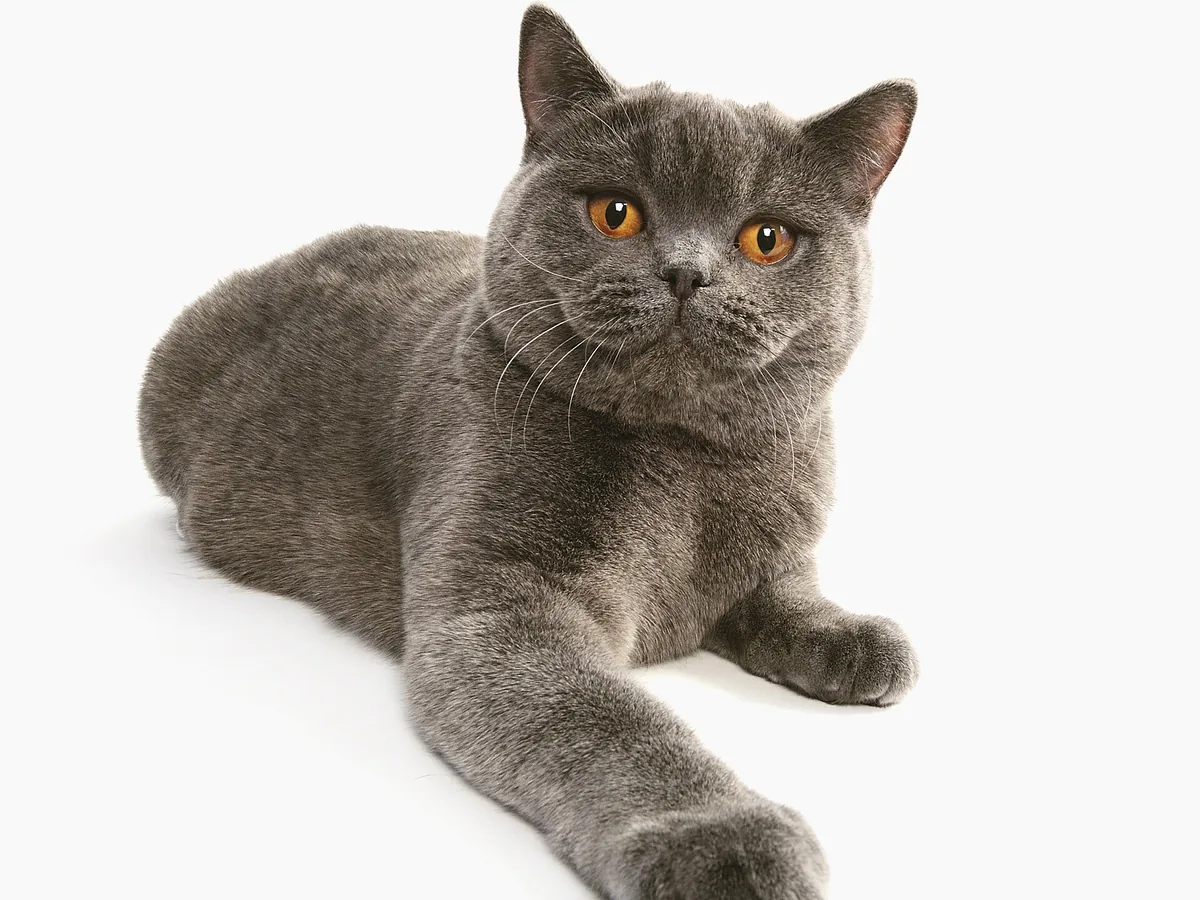
The cat itself is a British Shorthair wearing a coat: the same round head, short broad nose, small neat ears, heavy cobby body and thick legs, 4-8 kg, but with a semi-long, dense, crisp-textured coat, a full ruff and a plumed tail. All the British colours and patterns are accepted, including blue, black, cream, tabby, tortoiseshell, bicolour and the colourpoint variety.
This is a calm, slow, low-maintenance-in-spirit cat that wants company without drama. It is not athletic, does not particularly like being carried, and prefers to sit near you on its own terms. The real work is the coat and the weight: British cats convert food efficiently, and a bored longhair becomes a round longhair with matted trousers.
Care essentials
- Grooming
- Two or three sessions a week with a metal comb, and daily during the two annual sheds. Work in sections: behind the ears, armpits, belly and the trousers at the back legs are where mats start. A slicker brush alone will skim the topcoat and miss the undercoat, so use a comb that reaches the skin. Bathe every six to eight weeks only if the coat looks greasy.
- Exercise & play
- Moderate but non-negotiable, because this breed gains weight easily. Two short play sessions of five to ten minutes, a laser pointer used sparingly, and food puzzles. A tall cat tree is used more for sitting than climbing, so put it near a window rather than in a corner.
- Feeding
- The single most important management task. A 5 kg adult needs about 220-250 kcal a day, measured, and the breed will act starving on that amount. Use a kitchen scale for portions, feed two meals, and reassess weight monthly with your hands on the ribs, not just the scale. Wet food helps with water intake and hairball passage.
- Home setup
- Indoor only. It is not a jumper or a fence-climber, but it is valuable and trusting, and it has no road sense. Room temperature matters more than for most breeds: the coat is warm but the cat still seeks heat, so provide a covered bed and a sunny spot. Keep the litter tray large, because the body is long.
Health
- Polycystic kidney disease (PKD1): a DNA test exists and GCCF registration policy requires tested-clear status for breeding cats, so ask for certificates.
- Hypertrophic cardiomyopathy (HCM): no DNA test, so echocardiogram screening of breeding cats is the only control.
- Feline ALPS (autoimmune lymphoproliferative syndrome): a newly emphasised risk in the British breed; the GCCF now requires ALPS testing for imports registered as active breeding cats from March 2025.
- Haemophilia B (factor IX deficiency), a bleeding disorder carried in some British lines.
- Obesity, which is the most common preventable problem in the breed and worsens heart and joint disease.
This is a breed where paperwork genuinely predicts health. A responsible breeder has PKD1 DNA results for both parents, echocardiograms on breeding cats within the last year, and can tell you the ALPS status of the lines. Insist on seeing the documents rather than a verbal assurance, and be suspicious of a cheap kitten from a breeder who cannot name the tests. Because the coat hides body condition, weigh the cat monthly.
Health information here is general and not a substitute for veterinary advice. If your cat shows symptoms, contact a vet.
Frequently asked
Is a British Longhair just a British Shorthair with long hair?
Genetically yes, and that is how the breed began: long-haired kittens appearing in shorthair litters after Persian outcrosses. Registries now treat it as a separate breed with its own standard and its own classes, and both coat lengths can appear in the same litter when long-hair carriers are mated.
How much grooming does a British Longhair need?
Realistically twenty to thirty minutes a week, spread over two or three sessions, plus daily combing during the spring and autumn sheds. It is not a Persian-level commitment, but it is not a wash-and-go cat either: skip two weeks and you will find mats behind the ears and under the belly.
Do British Longhairs get lonely?
They tolerate solitude better than oriental breeds but are not solitary by nature. Most do well with a second cat of similar calm temperament. What they dislike is unpredictability: a quiet household with a routine suits them better than an exciting one.
Why is my British Longhair so lazy?
The breed is genuinely low-energy, not ill. Watch for changes rather than the baseline: a cat that stops jumping onto the sofa, or sleeps in a hunched position, may have joint pain or heart disease. A sudden drop in activity in a normally placid cat is worth a vet visit.