Chinese Li Hua (Dragon Li)
中国狸花猫 · Shorthair (Chinese native landrace) · China
The Chinese Li Hua, sold abroad as the Dragon Li, is the pedigree version of li hua mao: the brown mackerel tabby landrace kept in Chinese villages and granaries for centuries, familiar from the tale Li Mao Huan Tai Zi.
Quick facts
- Weight
- 4-6 kg (9-13 lb); males heavier
- Length
- Body 45-50 cm nose to tail base; tail 28-33 cm
- Lifespan
- 12-15 years, often longer in indoor homes
- Typical price
- CNY 2,000-6,000 with CAA papers; ordinary look-alike cats are adopted or cost a few hundred
Temperament & lifestyle
About the breed
The Chinese Li Hua, sold abroad as the Dragon Li, is the pedigree version of li hua mao: the brown mackerel tabby landrace kept in Chinese villages and granaries for centuries, familiar from the tale Li Mao Huan Tai Zi. The breed itself is recent. The Chinese Cat Aficionado Association standardised it and showed it as an experimental breed in Beijing over the New Year of 2003-2004, judged by visiting ACFA judges; a male named Needy took a CAA championship in 2005. In February 2010 the CFA accepted the Li Hua into its miscellaneous class, then removed it on 1 May 2015, citing roughly fifty cats shown in five years, one active US breeder and fading consistency with the standard. Only the CAA still maintains a standard.
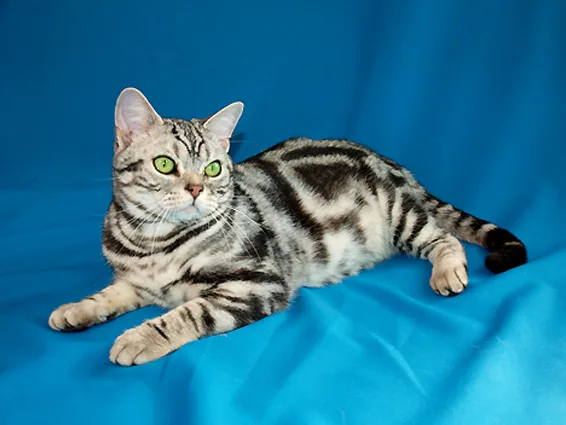
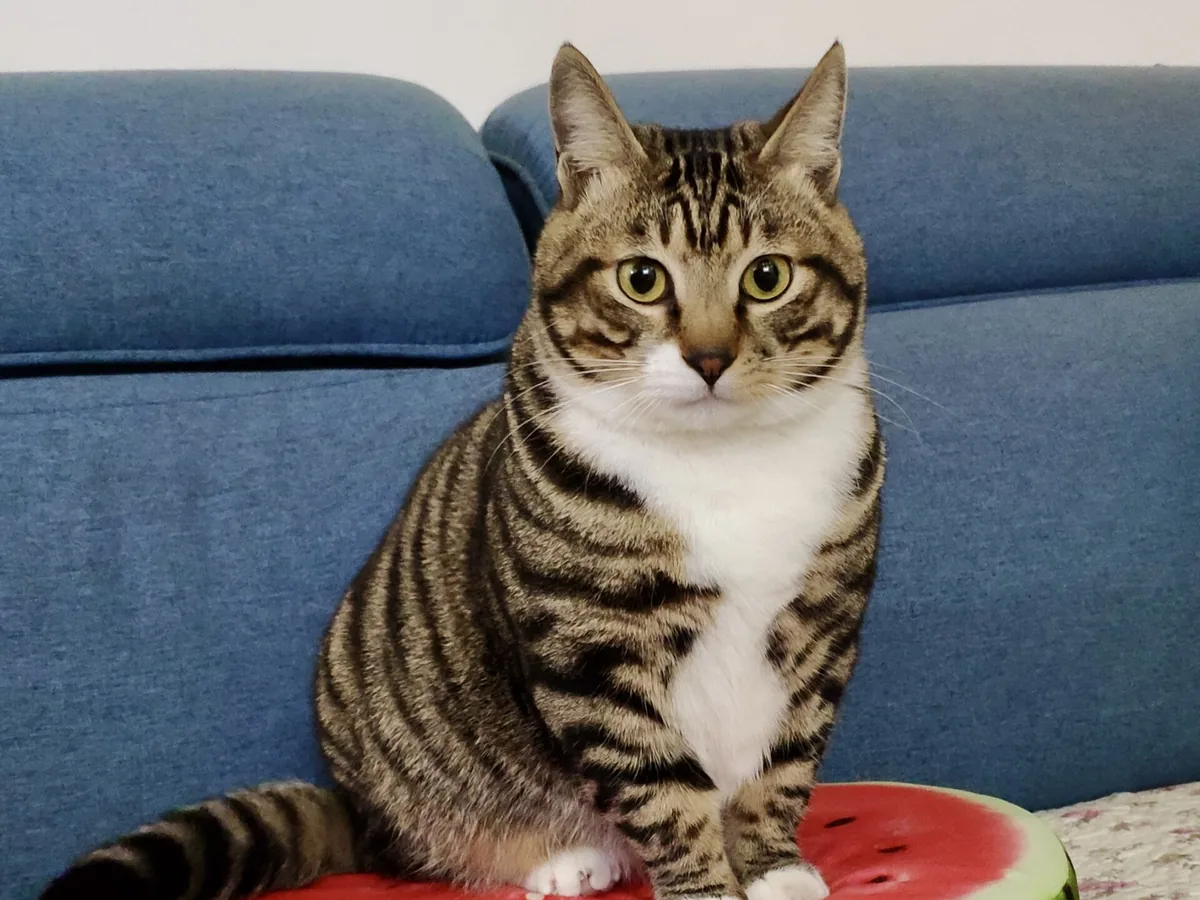
The standard describes a working cat: 4-6 kg, a strong rectangular body with a broad chest, a broad modified wedge head, almond eyes that should be green, and a short dense coat with no undercoat. The pattern is a gold-brown ground with black broken mackerel striping, dark mascara lines running from the eye corners, at least one unbroken necklace on the chest, black paw pads and a black-tipped tail. It matures slowly, up to three years.
Most li hua cats in China are not this breed. They are Chinese native cats, tian yuan mao, of which the tabby is one common type, and they are excellent cats without papers. The pedigree animal is a standardised subset of that landrace, not a different cat. Buyers should know which one they are paying for.
Care essentials
- Grooming
- One weekly rub-down with a rubber brush is enough for the short, dense, single coat. Shedding peaks twice a year and is easy to manage because there is no undercoat to mat. Check ears monthly and teeth weekly if you can.
- Exercise & play
- This cat needs a job. Fifteen to twenty minutes of wand play twice a day plus something to climb and something to watch out a window. A screened balcony or catio makes a real difference; without an outlet, a Li Hua will patrol the flat at night and test every door.
- Feeding
- Easy keeper with a tendency to gain weight once it stops growing at three years. A 4.5 kg adult needs roughly 200-230 kcal a day, measured, in two meals. High-protein food with real meat first suits the breed, and wet food helps prevent the urinary and dental problems that come with dry-only feeding.
- Home setup
- Adapts to flats well, but needs vertical territory and a window with a view. Keep it indoors or behind netting: this is an athletic, confident animal that will take a gap in a railing. Scratching posts should be tall and stable, because it likes to stretch fully while sharpening claws.
Health
- Hip dysplasia has been reported in the breed, though at low frequency; gait problems in a young cat deserve an X-ray.
- Obesity after maturity, because the breed is efficient and appetite outlasts kitten energy.
- Dental tartar, common in cats fed only soft or only dry food without chewing.
- No breed-wide screening programme exists, so inherited disease data is thin compared with Western breeds.
The honest position is that this breed has very little published health data. That is not the same as being unhealthy: it descends from a large, unmanaged landrace population, and the cats are generally hardy. It does mean you cannot rely on DNA tests the way you can with a Somali or British Longhair. Ask for the parents' veterinary records, check for hip and joint soundness in person, and have a vet examine the cat before purchase rather than after.
Health information here is general and not a substitute for veterinary advice. If your cat shows symptoms, contact a vet.
Frequently asked
Is the Chinese Li Hua the same as an ordinary Chinese tabby cat?
Not exactly. Li hua mao is the name of the widespread Chinese landrace; the Chinese Li Hua or Dragon Li is the pedigree breed standardised from it by the CAA. Most li hua cats in Chinese homes are native cats without papers. They look alike and share the temperament, but only CAA-registered cats are the breed.
Is the Dragon Li still recognised by the CFA?
No. The CFA accepted it into the miscellaneous class in February 2010 but removed it effective 1 May 2015 after five years of low show entries and limited breeding. The CAA in China still maintains a standard, so the breed exists as a registered population, just not with the major international registries.
Are Li Hua cats good mousers?
Yes, and that is the point of the breed. They were kept for rodent control in farms and granaries, and the instinct is intact: they stalk, wait and strike rather than batting at things randomly. Indoors this shows up as intense play hunting, which needs daily outlets.
How much should a Li Hua kitten cost in China?
A native li hua cat from a rescue or a neighbour's litter usually costs nothing or a few hundred yuan for vaccinations. A cat with CAA registration papers runs about CNY 2,000-6,000. Anyone asking pedigree prices for a cat with no papers is selling you a story, not a breed.